Why Anthropology? Introduction to the Four Subfields (2026)
Автор: Living Anthropologically
Загружено: 2026-02-07
Просмотров: 52
Описание:
📚 Class: https://www.livinganthropologically.c...
Why do you sit in a classroom at 8:40 in the morning? Because of symbols—grades, diplomas, money. Anthropology reveals how these arbitrary agreements organize human life in ways no other creature would tolerate. This lecture introduces the four subfields and asks what unites them.
📖 Book: https://amzn.to/[affiliate] (Commissions earned)
🎓 Course: https://www.livinganthropologically.c...
⚡ *KEY CONCEPTS*
🧬 *Biological Anthropology*
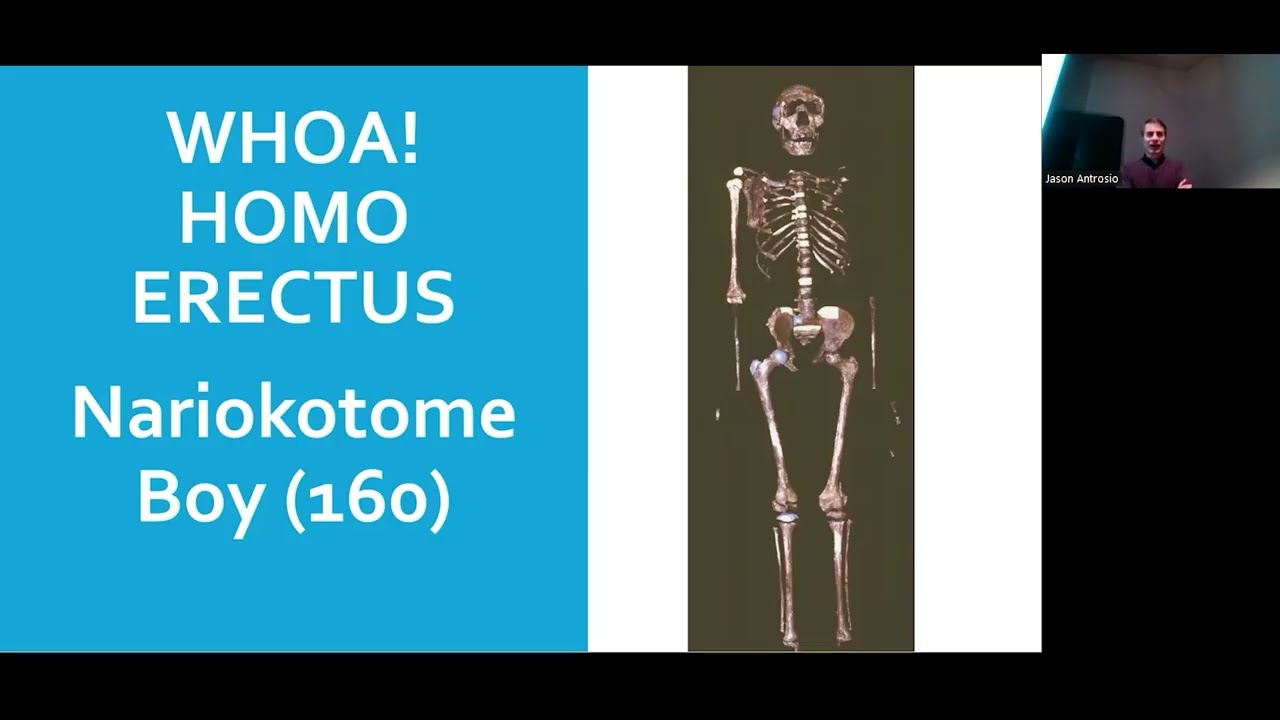
The study of human evolution, primate diversity, and human biological variation. We start around 8 million years ago with bipedal primates and trace how hominins became us.
🏺 *Archaeology*
The study of the human past through artifacts, structures, and physical remains. The archaeological record preserves evidence of human activity—what survives when everything else disappears.
🌍 *Cultural Anthropology*
The study of learned behavior in human beings. We absorb norms before we can talk—how to stand, eat, relate to others. Culture is transmitted through caregivers into our developing biology.
💬 *Linguistic Anthropology*
Language in social context—not just grammar but how humans use language and what it means to them. Dr. Jonathan Rosa's work shows how bilingual students face discrimination for creative language use.
📏 *Proxemics*
The science of personal space. Americans prefer 18 inches; in Ecuador and Colombia, it's 12-14 inches. Nobody teaches this—it's absorbed into our bodies and becomes a norm.
🔣 *Symbols*
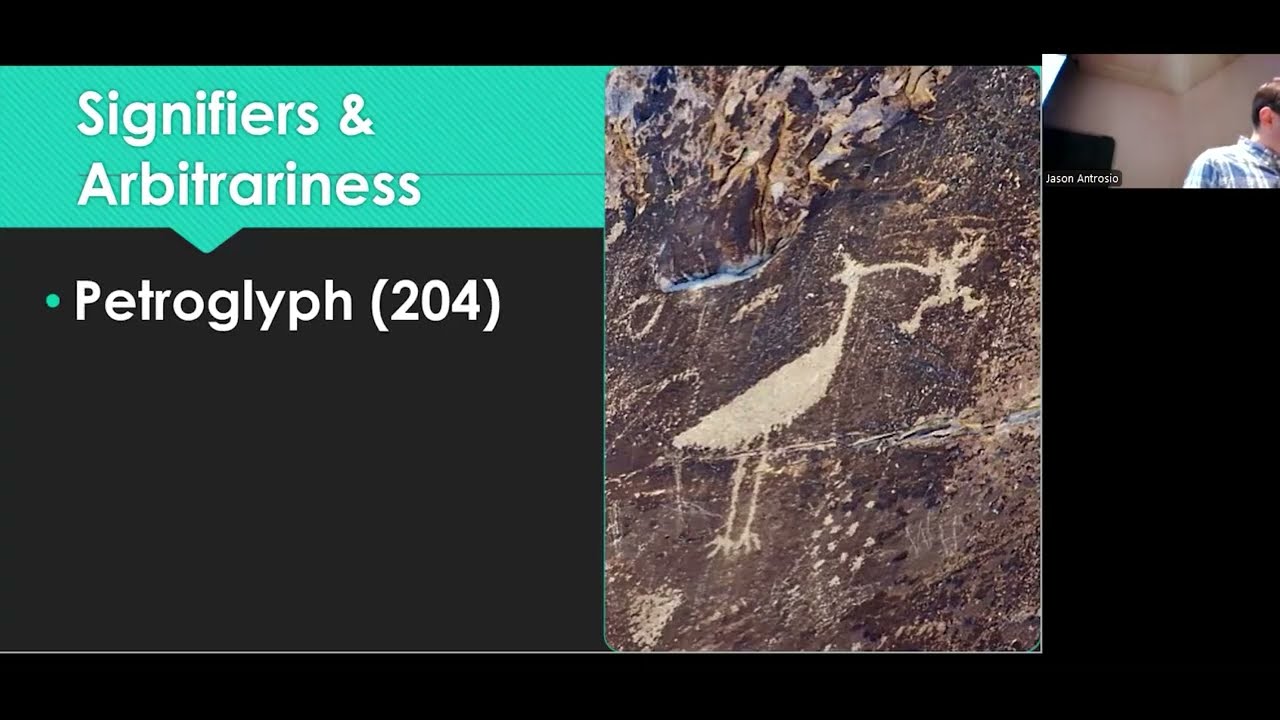
Things that stand for something else by arbitrary agreement. Flags, time, money, grades—symbols let humans organize themselves in ways no other creature would tolerate.
🦷 *Teeth as Integrative Example*
Every subfield studies teeth differently: linguistic (sound production), cultural (modification practices), archaeological (preserved remains), biological (diet and evolution).
🔬 *Fieldwork*
Immersion with the people being studied. Not just classroom or laboratory work but going out and engaging directly—whether excavating sites or living in communities.
🤝 *Cultural Relativism*
Understanding other cultures in the context of their own values before making judgments. Walking a mile in someone else's shoes—a method of understanding, not approval.
📊 *Comparative Approach*
Cross-species, cross-cultural, and historical comparisons. We don't just study one society—we put it in context with primates, other cultures, and the past.
⚖️ *Applied & Activist Anthropology*
Making research relevant to communities. The Dozier School excavation revealed buried truths about abuse and worked toward reconciliation.
📜 *Ethics*
Don't harm, informed consent, self-reflection. Aspirational goals that anthropology hasn't always met—and that become harder when studied populations are under attack.
💡 *WHY THIS MATTERS*
Anthropology is under attack because it suggests there's not necessarily one right way to live. The things we think are natural or inevitable may not be. That's threatening to people who need certainty.
The Sudanese refugees who had teeth extracted as coming-of-age rituals found those same teeth became barriers in America—harder to speak English, eat pizza, get jobs. Anthropologists helped make the case for dental implants as refugee assistance. But in 2026, many of these programs have been shut down. What happens to applied anthropology when the political context won't let you apply it?
#anthropology #whatisanthropology #foursubfields #biologicalanthropology #culturalanthropology #archaeology #linguisticanthropology #symbols #culturalrelativism #appliedanthropology #humanstory #introanthropology
Повторяем попытку...

Доступные форматы для скачивания:
Скачать видео
-
Информация по загрузке: