Cortisol Resistance : When Your Stress Hormone Stops Protecting You
Автор: Medical Centric Podcast
Загружено: 2026-01-31
Просмотров: 265
Описание:
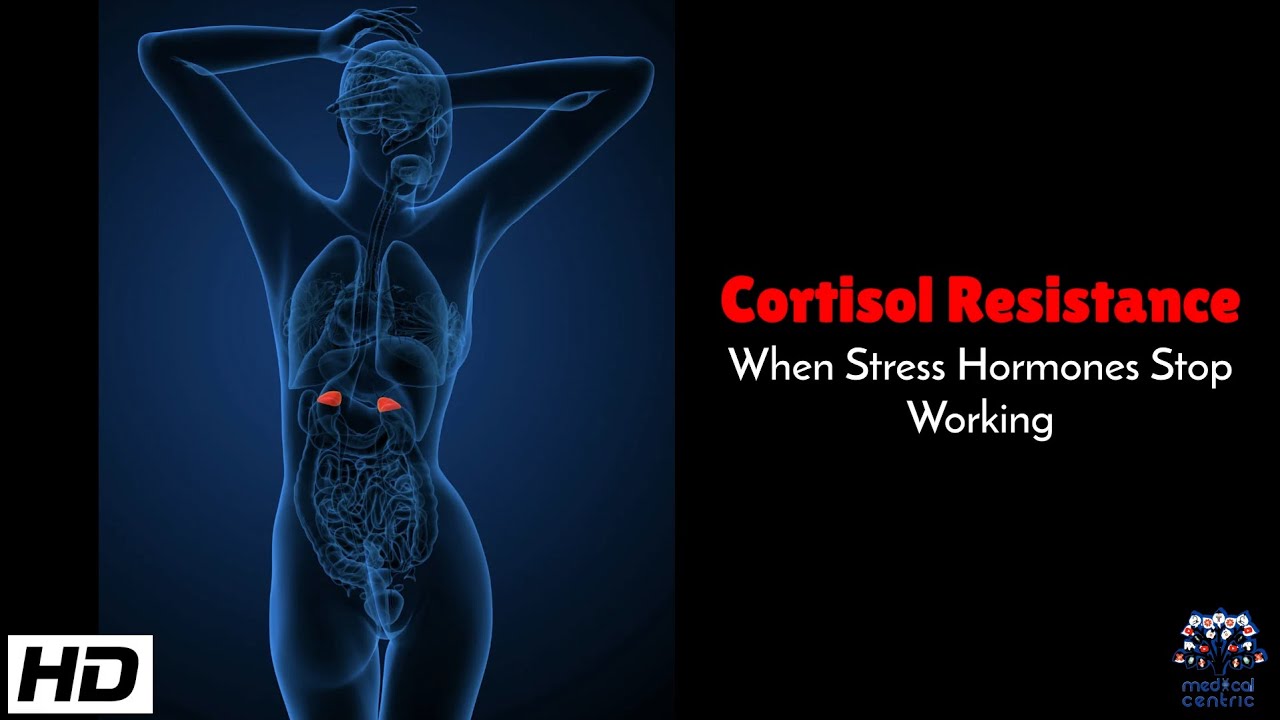
Cortisol Resistance is an emerging concept in stress physiology that helps explain why chronic stress can feel increasingly damaging over time, even when cortisol levels appear “normal” or elevated. Cortisol is often labeled the body’s primary stress hormone, but its role extends far beyond stress alone. It regulates blood sugar, inflammation, blood pressure, immune activity, circadian rhythm, and energy availability. Under healthy conditions, cortisol rises in response to stress and then falls once balance is restored. Cortisol resistance occurs when this system no longer responds as intended.
In a cortisol-sensitive state, cells respond efficiently to cortisol signals. Glucose is released when needed, inflammation is controlled, and the body adapts to short-term challenges. However, prolonged psychological stress, sleep disruption, inflammatory diets, metabolic dysfunction, and ongoing emotional strain can cause cortisol receptors on cells to become less responsive. This mirrors what happens in insulin resistance, where insulin is present but its signal is no longer properly received. In cortisol resistance, the hormone may still circulate in the bloodstream, but its effects are blunted at the cellular level.
When cortisol signaling weakens, the body loses its ability to regulate stress efficiently. This can result in persistent fatigue despite high stress, difficulty recovering from illness, frequent infections, brain fog, emotional numbness or anxiety, blood sugar instability, and stubborn inflammation. Ironically, the body may attempt to compensate by producing even more cortisol, worsening the cycle and placing additional strain on the adrenal glands, nervous system, and metabolic pathways.
Cortisol resistance also has a significant relationship with circadian rhythm disruption. Normally, cortisol peaks in the morning to promote alertness and gradually declines throughout the day. Chronic stress can flatten this rhythm, leading to morning exhaustion and nighttime alertness. Over time, this misalignment impacts sleep quality, hormone balance, cognitive performance, and emotional regulation. Poor sleep then feeds back into cortisol dysfunction, reinforcing resistance at the receptor level.
From a metabolic perspective, cortisol resistance interferes with glucose regulation and fat metabolism. Cortisol is meant to mobilize energy temporarily, but when its signaling becomes impaired, glucose handling becomes inefficient. This can contribute to insulin resistance, visceral fat accumulation, cravings for quick energy sources, and difficulty maintaining stable energy levels. The immune system is also affected, as cortisol normally acts as a brake on excessive inflammation. When cells stop responding properly, low-grade chronic inflammation may persist even in the presence of elevated cortisol.
Psychologically, cortisol resistance alters how the brain processes stress. Regions involved in threat detection, memory, and emotional regulation such as the amygdala and hippocampus are highly sensitive to cortisol signaling. Reduced responsiveness can impair emotional resilience, increase sensitivity to stressors, and make recovery from emotional strain slower and less complete. This helps explain why long term stress often feels cumulative rather than temporary.
Addressing cortisol resistance requires more than simply “lowering stress.” It involves restoring receptor sensitivity through consistent sleep timing, reducing inflammatory load, stabilizing blood sugar, improving mitochondrial health, and retraining the nervous system to recognize safety. Gradual lifestyle interventions are often more effective than aggressive approaches, as the system involved is adaptive and deeply integrated across multiple organs.
Understanding cortisol resistance shifts the conversation away from viewing stress as purely mental and reframes it as a whole-body physiological state. It explains why willpower alone is insufficient to overcome burnout and why recovery often requires rebuilding foundational biological rhythms. By recognizing how cortisol signaling becomes impaired, it becomes possible to approach stress recovery with greater precision, patience, and respect for the body’s adaptive limits.
Cortisol resistance is not a failure of the stress system it is a signal that the system has been pushed beyond its intended design. Restoring balance begins with understanding how deeply stress biology influences every layer of human health.
Повторяем попытку...
Доступные форматы для скачивания:
Скачать видео
-
Информация по загрузке:


