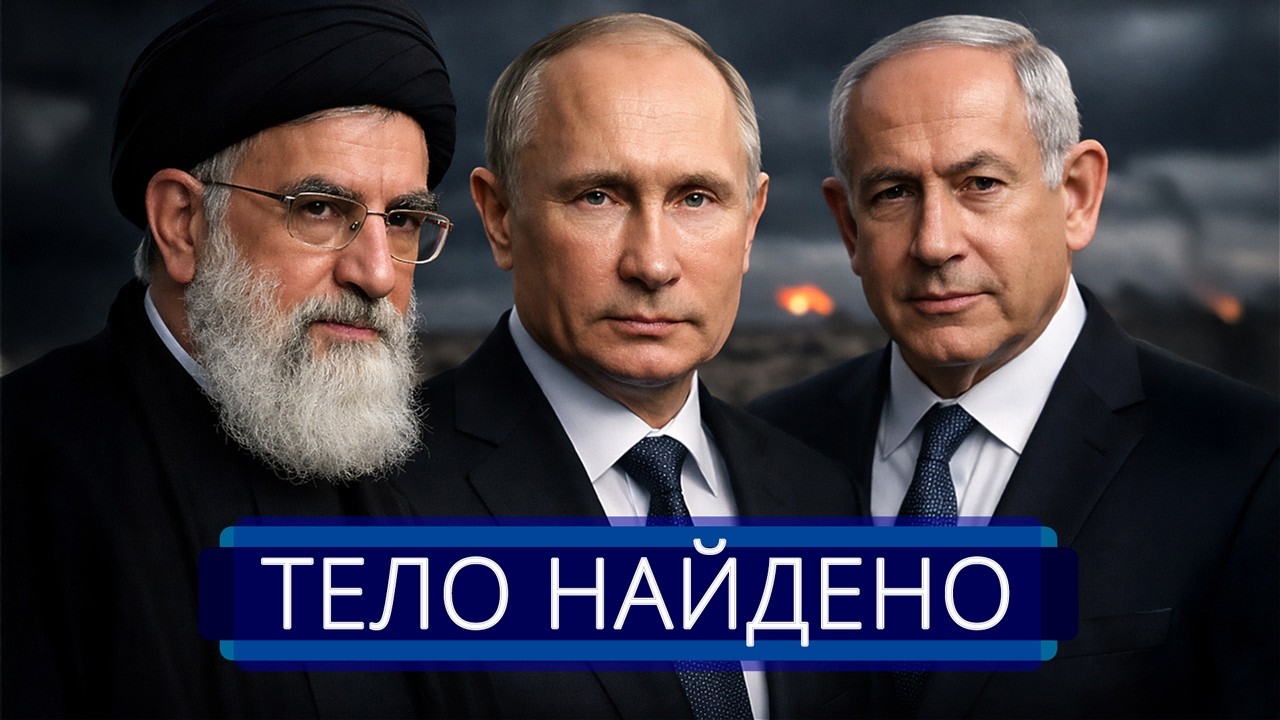
AYATOLLAH KHAMENEİ'S İRON GRİP ON POWER İN IRAN
Автор: vHaber
Загружено: 2026-02-28
Просмотров: 1
Описание:
AYATOLLAH KHAMENEİ'S İRON GRİP ON POWER İN IRAN
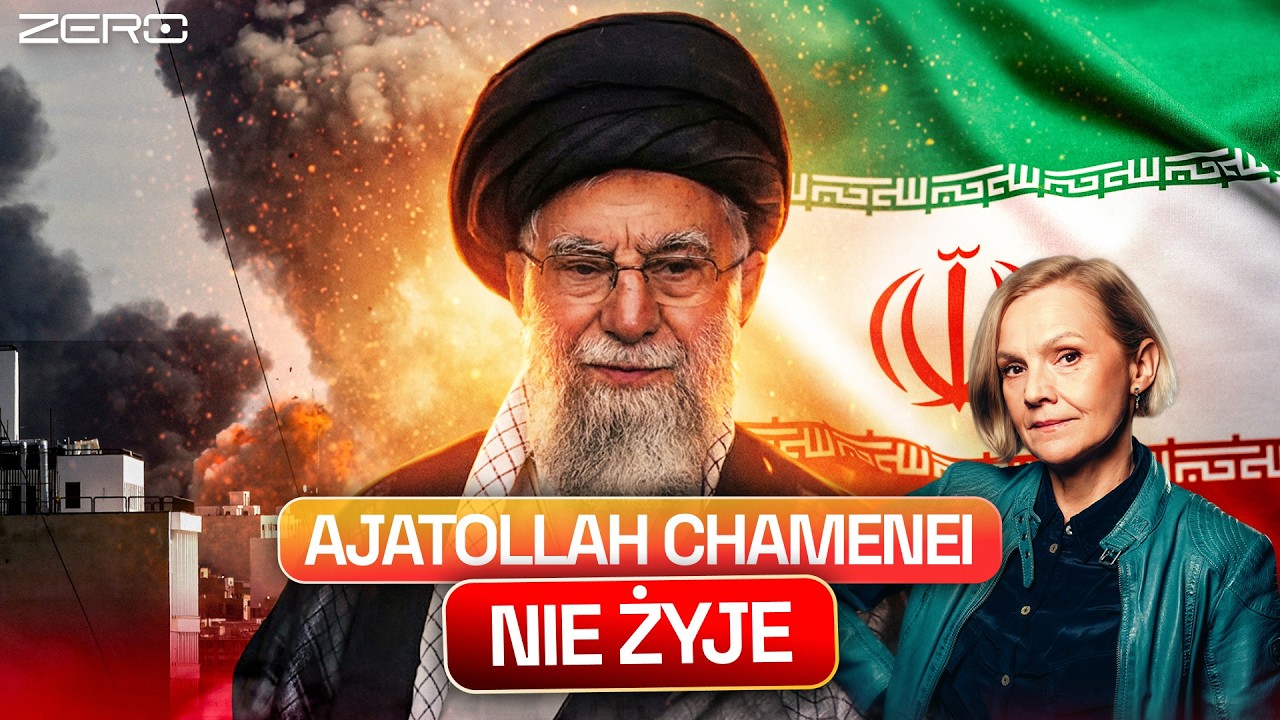
Ayatollah Khamenei's iron grip on power in Iran2 hours agoShareSaveSam WoodhouseShareSaveAFP via Getty ImagesAyatollah Ali Khamenei has been killed on the first day of massive US and Israeli air strikes on the country, US President Donald Trump has announced.Iran has not confirmed the death of the 86-year-old ruler of the past three decades - one of the longest in the world. Iran has had only two supreme leaders since the 1979 Islamic Revolution. It's an all-powerful office - the supreme leader is head of state and commander-in-chief of the armed forces, including the elite Revolutionary Guards.Khamenei is not quite a dictator, positioned in the middle of a complex web of competing power centres, able to veto any matter of public policy and hand pick candidates for public office.Young Iranians have never experienced life without him in charge. State television has covered Khamenei's every move. His image is plastered on billboards in public spaces and his photograph is ubiquitous in shops. Abroad, successive Iranian presidents have often hogged the limelight. But, at home, it was Khamenei who pulled the strings. His death, if confirmed and in such violent circumstances, heralds a new and uncertain future, both in Iran and the wider region.Getty ImagesMany Iranians have known no other Supreme leaderAli Khamenei was born in the city of Mashhad, in north-eastern Iran, in 1939.The second of eight children in a religious family, his father was a mid-ranking cleric from the Shia branch of Islam, the dominant sect in Iran. Khamenei would later romanticise his “poor but pious” childhood, saying he frequently ate nothing but “bread and raisins".His education was dominated by the study of the Quran, and he qualified as a cleric by the age of 11. But, in common with many religious leaders of the time, his work was as much political as spiritual.An effective orator, Khamenei joined the critics of the Shah of Iran: the monarch who was eventually overthrown by the Islamic revolution.For years, he lived underground or festered in jail. He was arrested six times by the Shah's secret police, suffering torture and internal exile.Gamma-Rapho via Getty ImagesKhamenei at prayer in Tehran after the Iranian revolution in 1979After the Islamic revolution, its leader Ayatollah Ruhollah Khomeini appointed him Friday prayer leader of the capital, Tehran. Every week, his political sermons were broadcast throughout the country. It firmly established Khamenei as part of the new leadership of the country.In the tumultuous first months after the revolution, a group of militant university students loyal to Khomeini occupied the US embassy. Dozens of diplomats and embassy staff were taken hostage.Iran's revolutionary leaders - including Khamenei - supported the students, who were protesting against America's decision to give sanctuary to the deposed Shah.The hostage-taking lasted for 444 days.It helped destroy the Carter administration in the United States and set Iran on the anti-American and anti-Western path that came to define the revolution. The episode also marked the beginning of decades of international isolation for Iran.Bettmann via Getty ImagesAmerican hostages being paraded by their militant Iranian captors after the US embassy was occupiedShortly after the crisis, Khamenei was fortunate to survive an assassination attempt.In June 1981, a dissident group hid a bomb inside a tape recorder. It exploded as he delivered a lecture.He was badly injured. His lungs
#Ayatollah #Khamenei̇s #İron #Gri̇p #Power #Iran
Повторяем попытку...

Доступные форматы для скачивания:
Скачать видео
-
Информация по загрузке: