The Wooden Bird Sings: Vivaldi Flute Concerto "Il Gardellino" (Lisa Beznosiuk) | [MuseLAB]
Автор: Muse Lab Classics
Загружено: 2026-02-17
Просмотров: 124
Описание:
00:00 I. Allegro
03:59 II. Cantabile
07:13 III. Allegro
Lisa Beznosiuk, Traverso Flute
Trevor Pinnock, Conductor
The English Concert
📖 Deep Analysis & Full Script (6 Languages):
https://muselabclassics.blogspot.com/...
Explore the historical background and professional analysis scripts available in 6 Languages at the MuseLAB Archive (EN/KO/IT/JP/FR/ES).
💖 Subscribe for more stories from history and the classics!
Subscribe here: / @muselabclaasics
🎶 Visit Muse·LAB
Where classical music breathes again – timeless melodies, told anew.
Channel link: / @muselabclaasics
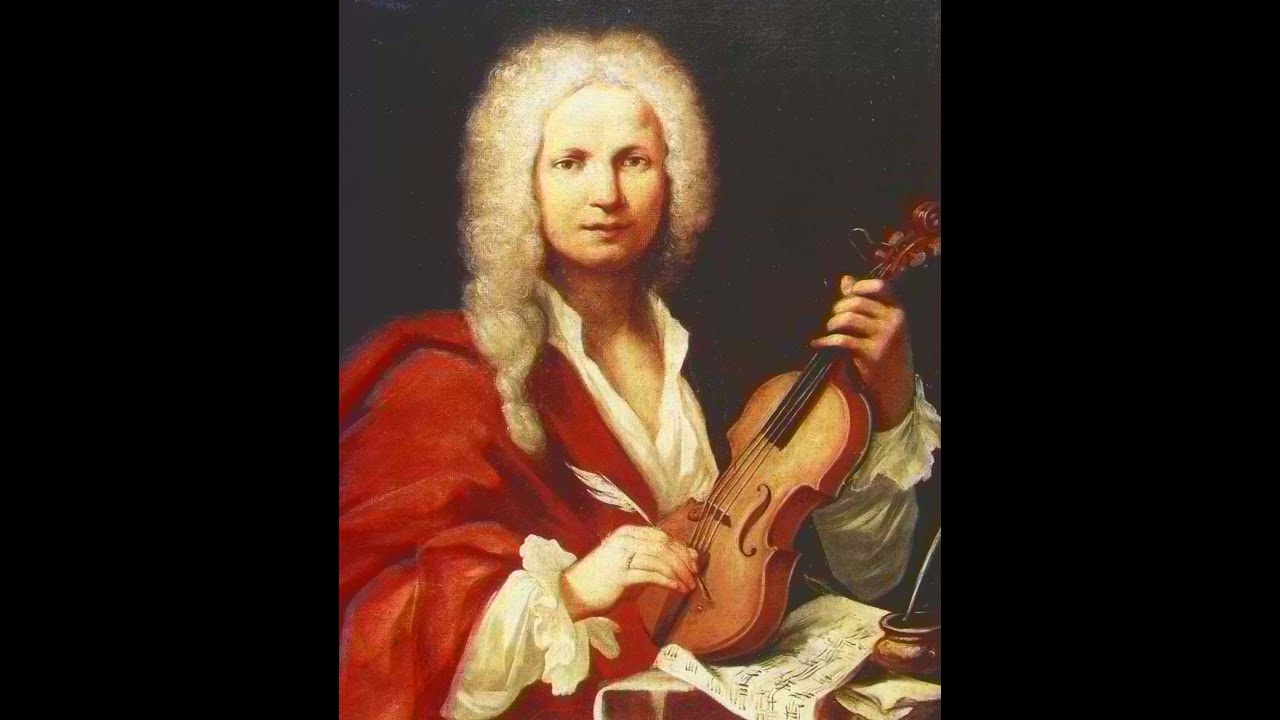
We have traveled through the rigorous architecture of Bach’s Germany, where the flute was a partner in a logical debate. Now, we cross the Alps and descend into the sunlit air of Venice. Here, the 'Human Breath' sheds the weight of philosophy and returns to its most primal state: Nature. In 1728, Antonio Vivaldi published his Opus 10, the first collection of concertos ever printed specifically for the flute. Among them is the Concerto in D major, RV 428, known to the world as "Il Gardellino" (The Goldfinch).
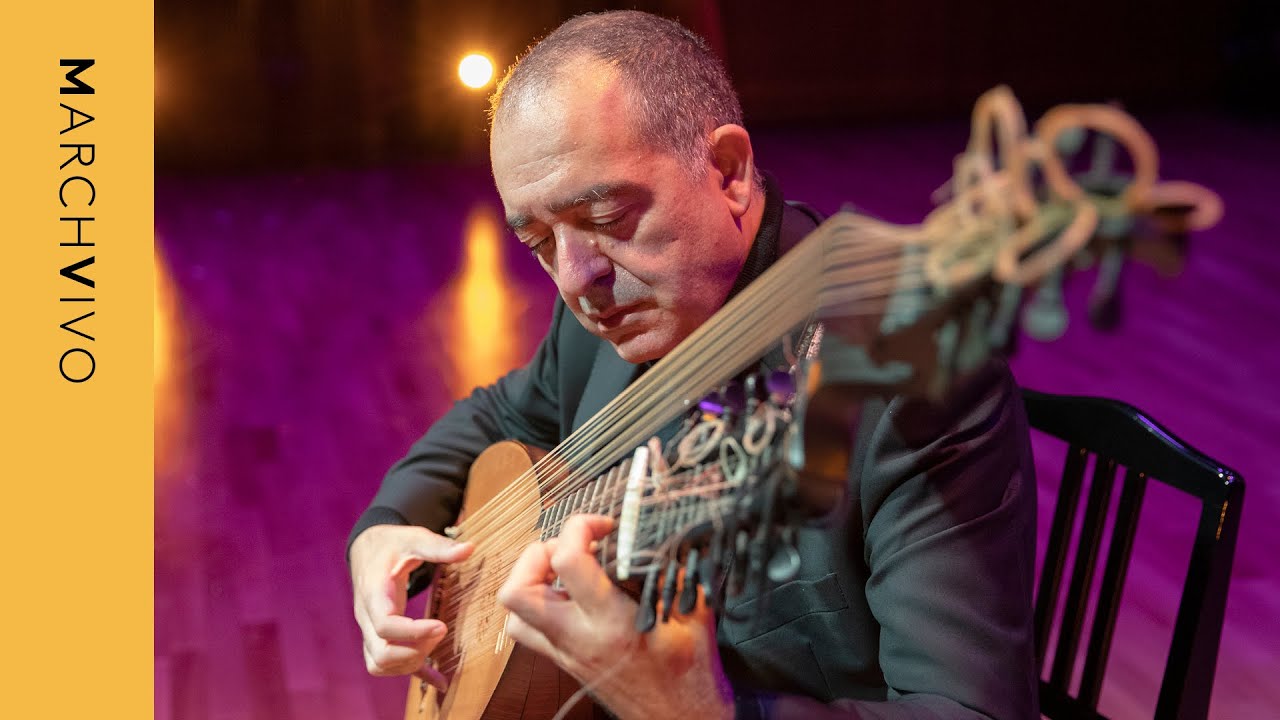
In previous episodes, we heard the brilliant, polished gold of John Wummer and the velvet precision of Maxence Larrieu. But to capture the true essence of Vivaldi’s bird, we must strip away the modern metal. We turn to Lisa Beznosiuk, the legendary British flutist, playing the 'Traverso'—the wooden flute of the Baroque era. Supported by Trevor Pinnock and The English Concert, Beznosiuk does not produce the loud, projecting tone of a modern concert hall. Instead, she offers a sound that is earthy, woody, and intimately fragile. It is the sound of the tree branch itself, carved into a vessel for the breath.
"Il Gardellino" is a prime example of Vivaldi’s program music, akin to his Four Seasons. In the opening Allegro, the flute mimics the goldfinch’s trills and fluttering flights. Unlike the mechanical precision we admired in Bach, Vivaldi demands a breath that is spontaneous and organic. Beznosiuk’s performance is a revelation; her wooden instrument allows for micro-tonal shadings that a metal flute simply cannot produce. When she plays the rapid bird-calls, it does not sound like a technical exercise; it sounds like a creature of the air, untamed and vibrantly alive. The 'Human Breath' here is no longer arguing with a keyboard; it is singing with the wind.
The second movement, Cantabile, transports us to a pastoral dream. Here, the 'Divine Fingerprint'—the orchestra—is reduced to a gentle, murmuring rustle, allowing the wooden flute to sing a melody of pure, unadorned beauty. Beznosiuk’s phrasing breathes with a natural pulse, reminding us that before music was a structure, it was a song. This is the calm before the final flight. As the concerto concludes with a spirited Allegro, we realize that we have witnessed a necessary regression. We have gone back to the wood, back to the bird, back to the breath in its rawest form.
With the song of the goldfinch fading into the Venetian sky, our exploration of the 'Human Breath' has reached a turning point. We have seen it build cathedrals with Bach and fly with birds with Vivaldi. But the breath cannot remain on earth forever. It yearns for a partner that resonates with the heavens. In our next episode, we leave the wooden flute behind to witness the physical manifestation of the 'Divine Fingerprint.' The celestial strings of the Harp await us in London, under the hands of Nicanor Zabaleta.
💡 Copyright & Attribution Notice
This video uses Public Domain / CC0 materials from:
https://commons.wikimedia.org/,
https://archive.org/,
https://musopen.org/
Video narration and composition are original works of Muse·LAB.
Повторяем попытку...
![The Wooden Bird Sings: Vivaldi Flute Concerto "Il Gardellino" (Lisa Beznosiuk) | [MuseLAB]](https://imager.clipsaver.ru/IRQP6AAdkh8/max.jpg)
Доступные форматы для скачивания:
Скачать видео
-
Информация по загрузке:

![Bach: Orchestral Suite No.2 - Breath Dancing in Elegant Order (G.Fumet / B.Thomas) | [MuseLAB]](https://imager.clipsaver.ru/ofIrzoDb20c/max.jpg)

![The Architecture of Sleepless Nights: J.S. Bach Goldberg Variations, BWV 988 | [MuseLAB]](https://imager.clipsaver.ru/BlnRrDXlEYc/max.jpg)

![The Forbidden Voice of Heaven: Allegri Miserere (King's College/Willcocks) | [MuseLAB]](https://imager.clipsaver.ru/UmbvbSuJgWk/max.jpg)

![The Veiled Masterpiece: Alessandro Marcello’s Oboe Concerto in D Minor | [MuseLAB]](https://imager.clipsaver.ru/ZzEMS3-utrg/max.jpg)
![The Architecture of Harmony: Bach Flute Sonatas BWV 1031 & 1030 (Taylor & Larrieu) | [MuseLAB]](https://imager.clipsaver.ru/tBLkNupCiuU/max.jpg)

![From Darkness to Radiant Joy: J.S. Bach Cantata BWV 147 (Fritz Werner) | [MuseLAB]](https://imager.clipsaver.ru/jJJ6rHAmKA0/max.jpg)