The Framework That Finds Hidden Problems Worth Solving
Автор: Michael Noetel 🔸
Загружено: 2026-02-06
Просмотров: 8
Описание:
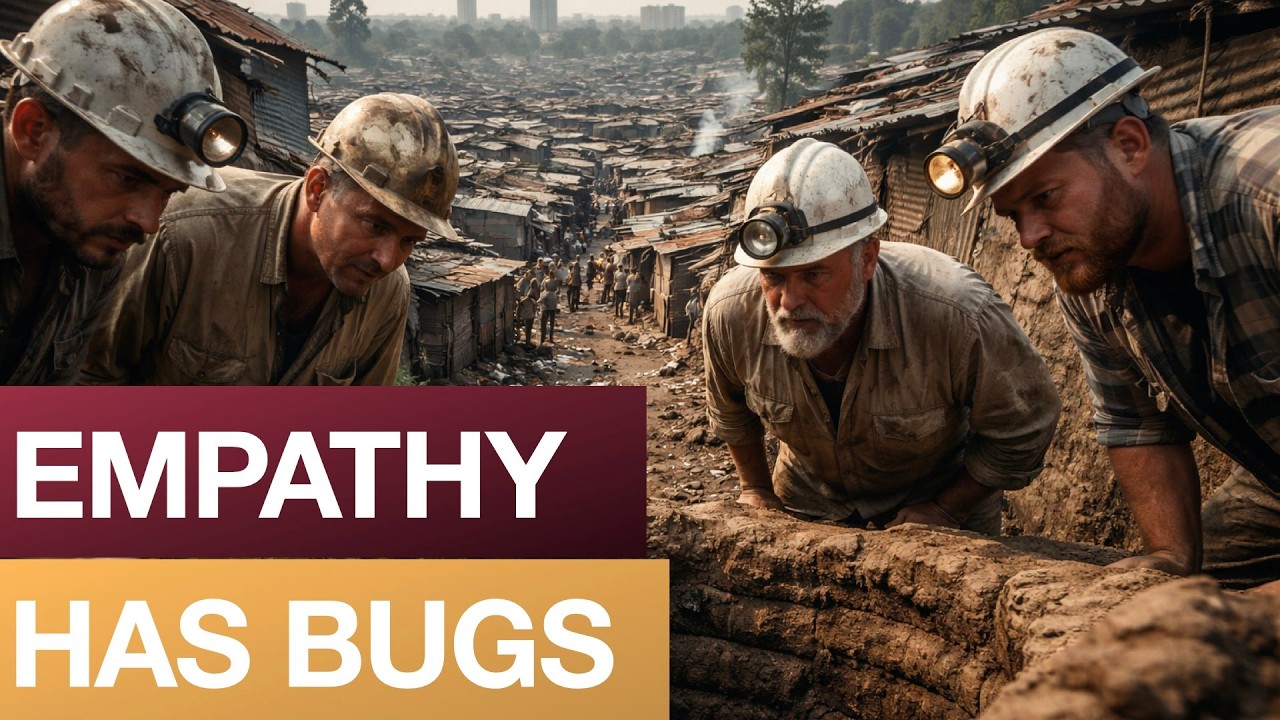
In 1987, America watched 18-month-old Baby Jessica trapped in a well. The rescue captivated 3 billion viewers and raised $800,000 for her. Meanwhile, malaria was killing 750,000 children per year. Why did one child get $800,000 while millions got so little, by comparison?
This video explains the psychological biases that distort our moral compass when problems get big.
TIMESTAMPS
0:00 - The Baby Jessica rescue
1:30 - Our Moral Circle
2:45 - Identifiable Victim Effect
5:00 - In-group Bias
6:45 - Availability Heuristic
9:30 - Be Scope Sensitive
KEY CONCEPTS
Identifiable victim effect: we help individuals, not statistics
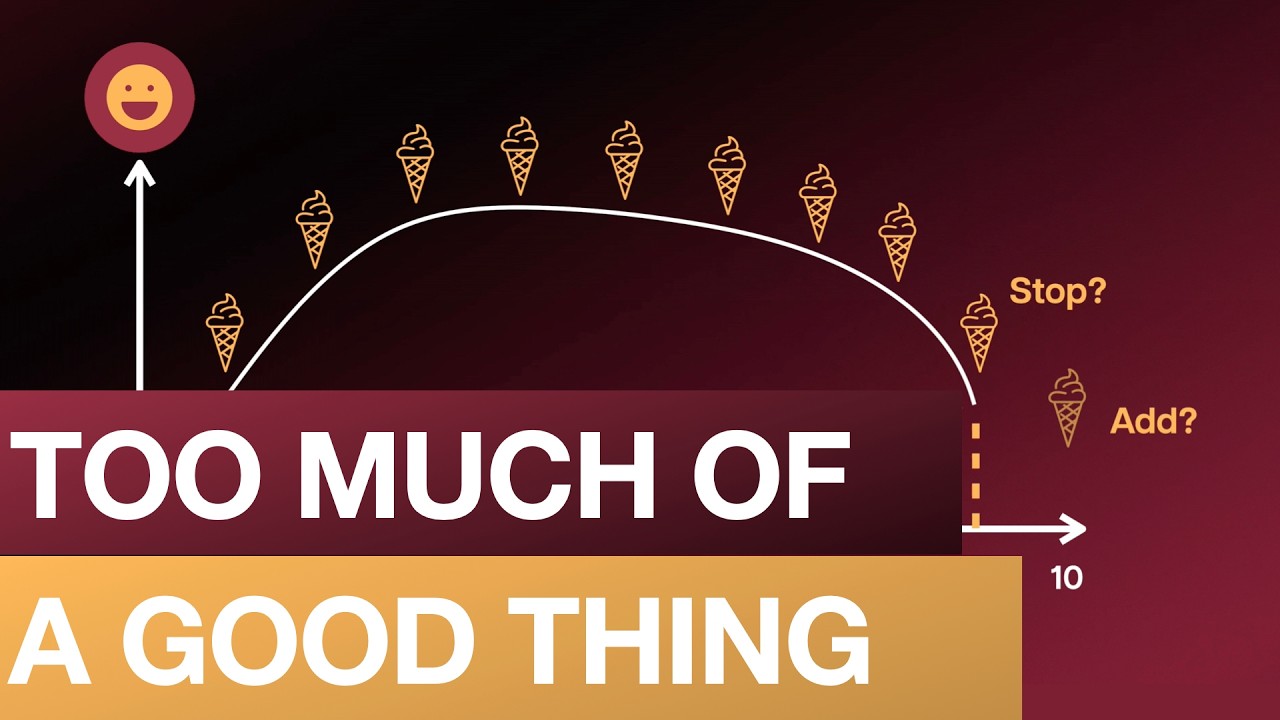
Scope insensitivity: 100,000 deaths doesn't feel 100x worse than 1,000
Compassion fade: donations decrease as victim numbers increase
Our tribal moral instincts evolved for small groups
Data helps correct for these biases
RESOURCES
Against Malaria Foundation: againstmalaria.com
Our World in Data: ourworldindata.org
GiveWell charity evaluator: givewell.org
CLIPS AND SOURCES
This video includes footage and images used for educational commentary:
Baby Jessica rescue footage - AP Photo, various news archives
Jaws (1975)
Against Malaria Foundation
Our World in Data
---
ABOUT THIS COURSE
Thinking Skills for Global Change explores evidence-based approaches to having a positive impact on the world. Subscribe for videos on critical thinking, effective giving, and making better decisions.
#psychology #cognitivebias #effectivealtruism #globalhealth #impact
Повторяем попытку...
Доступные форматы для скачивания:
Скачать видео
-
Информация по загрузке:













![Биология поведения человека. Лекция #1. Введение [Роберт Сапольски, 2010. Стэнфорд]](https://imager.clipsaver.ru/ik9t96SMtB0/max.jpg)