ycliper

Популярное

Музыка Кино и Анимация Автомобили Животные Спорт Путешествия Игры Юмор

Интересные видео

2025 Сериалы Трейлеры Новости Как сделать Видеоуроки Diy своими руками

Топ запросов

смотреть а4 schoolboy runaway турецкий сериал смотреть мультфильмы эдисон
Скачать

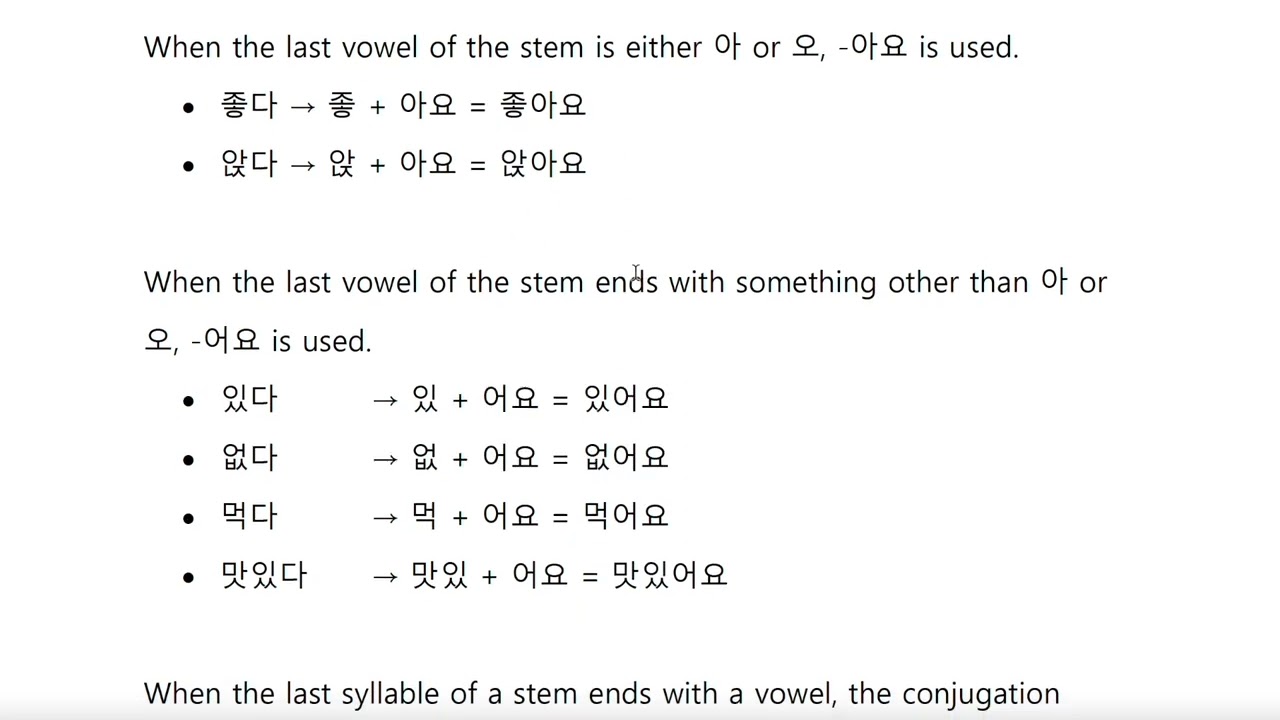
Korean formality levels (informal/formal) explained with verb ending examples

Автор: Korean Emo

Загружено: 2021-01-03

Просмотров: 5314

Описание: This video is broken into two parts:
1. I explain the difference between the formality levels (informal / formal / casual / polite ) in Korean
2. I show examples of formality endings using commonly used verbs.

For Korean lessons for begiiners:
   • Korean Lessons for Beginners  

BTS song playlist with Korean words:
   • Learn Korean with BTS Songs  

Не удается загрузить Youtube-плеер. Проверьте блокировку Youtube в вашей сети.
Повторяем попытку...
Korean formality levels (informal/formal) explained with verb ending examples

Поделиться в:

Доступные форматы для скачивания:

Скачать видео

  • Информация по загрузке:

Скачать аудио

Похожие видео

What is the difference between 에 and 에서? (Korean Grammer)

What is the difference between 에 and 에서? (Korean Grammer)

Korean w/ K-Drama: Honorifics & Politeness in Speech Levels (CLOY, The King, Descendants of the Sun)

Korean w/ K-Drama: Honorifics & Politeness in Speech Levels (CLOY, The King, Descendants of the Sun)

TOPIK Basic Lesson  (New Ver.)  44 /This is the version of Step/You can learn Korean with in a month

TOPIK Basic Lesson (New Ver.) 44 /This is the version of Step/You can learn Korean with in a month

Formality in Korean [Free Course]

Formality in Korean [Free Course]

100 основных корейских глаголов (с неформальной формой)

100 основных корейских глаголов (с неформальной формой)

Formal endings 입니다 / 입니까 / 습니다 /습니까 and how to Introduce myself in Korean

Formal endings 입니다 / 입니까 / 습니다 /습니까 and how to Introduce myself in Korean

Korean Diphthongs - Compound/Complex Vowels

Korean Diphthongs - Compound/Complex Vowels

[PART 2] HOW TO CONJUGATE KOREAN VERB/ADJECTIVE IN PRESENT TENSE? | INFORMAL AND FORMAL FORM

[PART 2] HOW TO CONJUGATE KOREAN VERB/ADJECTIVE IN PRESENT TENSE? | INFORMAL AND FORMAL FORM

Всё о корейских вопросительных словах (Кто, Когда, Где, Что, Почему, Сколько, Что, Который, Сколь...

Всё о корейских вопросительных словах (Кто, Когда, Где, Что, Почему, Сколько, Что, Который, Сколь...

Частые окончания предложений в корейском языке

Частые окончания предложений в корейском языке

Make Korean Sentences with Verbs in Future tense

Make Korean Sentences with Verbs in Future tense

Korean Politeness Levels (반말, 존댓말, 높임말) | Live Class Abridged

Korean Politeness Levels (반말, 존댓말, 높임말) | Live Class Abridged

니다 - Formal Sentence Ending Particle in Korean

니다 - Formal Sentence Ending Particle in Korean

Learn Korean Vocabulary - Formal vs Informal Words

Learn Korean Vocabulary - Formal vs Informal Words

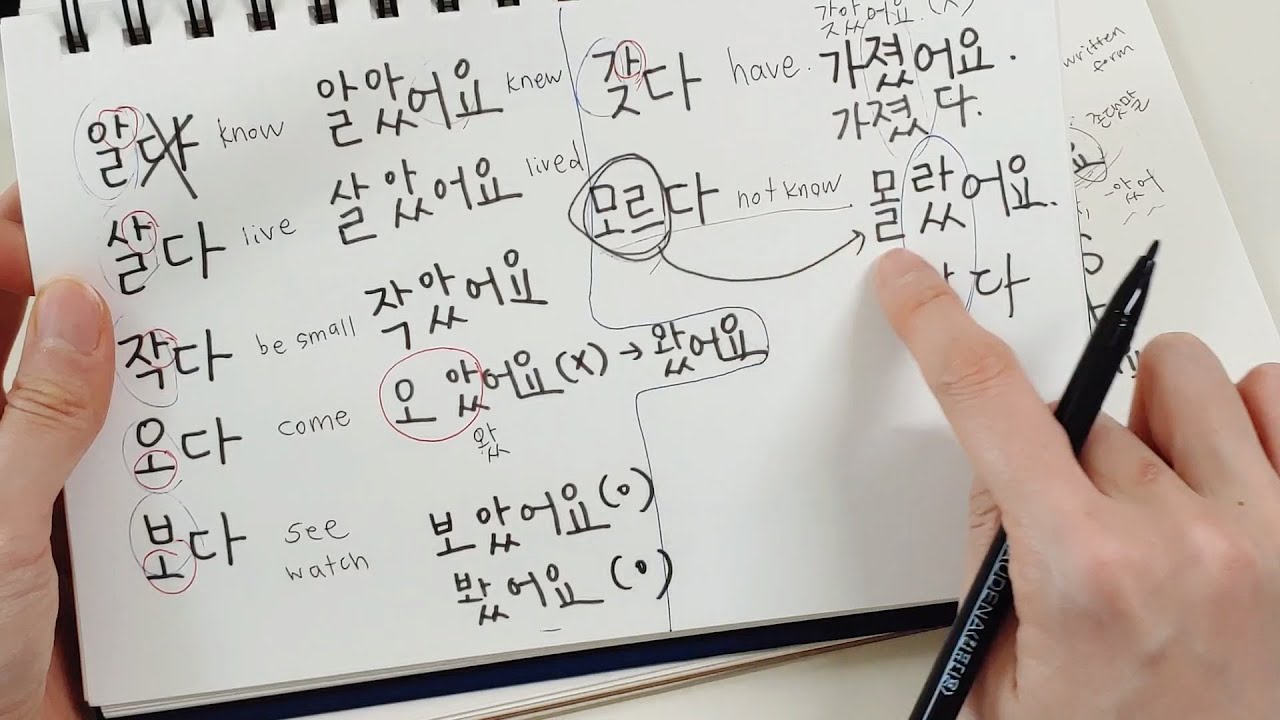
Past & Future Tense Verb Conjugation in Korean

Past & Future Tense Verb Conjugation in Korean

Make Korean Sentences with Verbs in Present tense

Make Korean Sentences with Verbs in Present tense

Expectations Vs Reality of Living in Korea | Living Abroad

Expectations Vs Reality of Living in Korea | Living Abroad

All about Pronouns in Korean - I, You, We, He, She, They, This, That, It for beginners

All about Pronouns in Korean - I, You, We, He, She, They, This, That, It for beginners

Beginning Korean 1, Lesson 2 G.1 Polite ending present tense -어요/아요

Beginning Korean 1, Lesson 2 G.1 Polite ending present tense -어요/아요

Базовый корейский 01: приветствие, «я», «ты», 반말 (неформально) vs 존댓말 (формально)

Базовый корейский 01: приветствие, «я», «ты», 반말 (неформально) vs 존댓말 (формально)

© 2025 ycliper. Все права защищены.


  • Контакты
  • О нас
  • Политика конфиденциальности


Контакты для правообладателей: [email protected]