How The Fed Mishandled The 2008 Financial Crisis
Автор: Deficit Owls
Загружено: 2018-03-25
Просмотров: 3241
Описание:
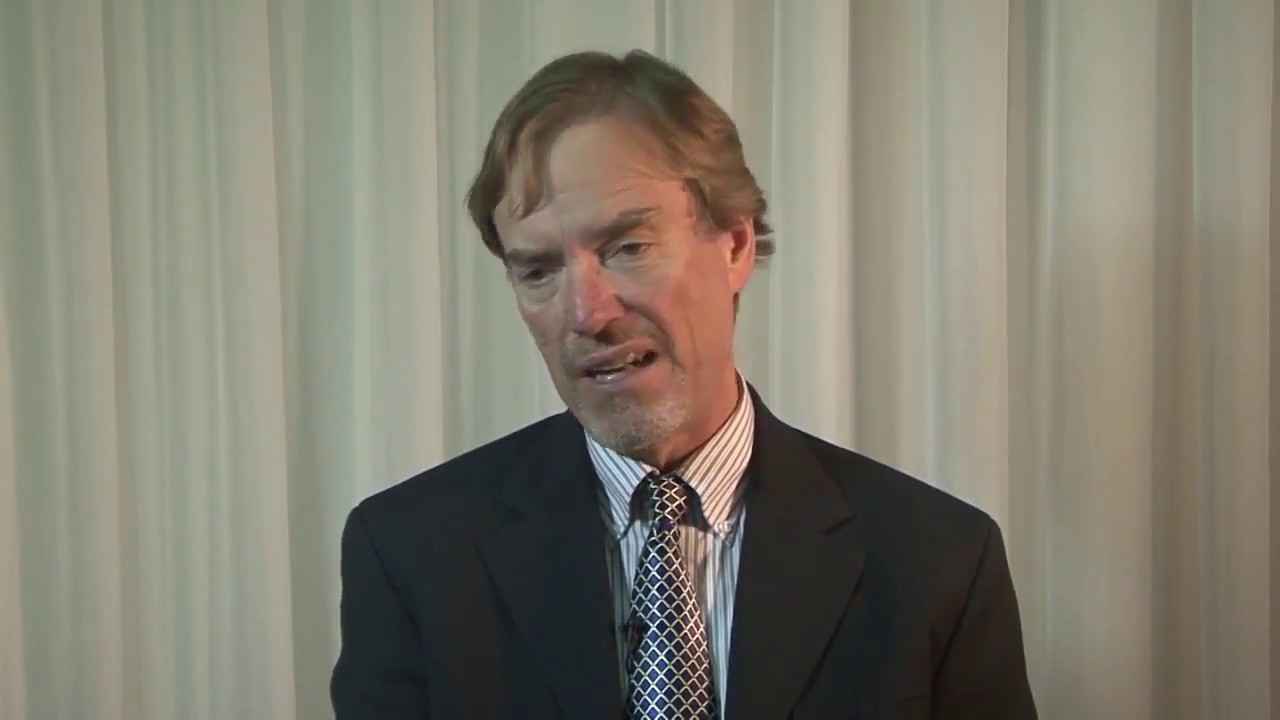
Professor L. Randall Wray discussing the Federal Reserve's response to the 2008 crisis.
To understand how the Fed messed it up, you first have to understand what the Fed should have done. To understand that, start with the two kinds of crises a bank can face.
If a bank faces a "liquidity crisis," this means that the bank cannot make the payments it owes to other institutions, because the bank is not receiving payments it expected from other people. In simple terms, Paul can't pay Marry, because Paul was expecting a payment from John but John hasn't made it yet. When a bank is illiquid, it needs a loan, so that it can make the payments it already promised to make, but just until it receives the payments it was supposed to receive.
Or a bank can face a "solvency crisis." This means that the bank's liabilities are larger than the value of the banks assets, so that the bank has negative net worth. In other words, if the bank sold off all of its assets, it would still not be enough to repay its creditors. In still simpler terms, the bank owes more than it owns. If a bank is insolvent, then what it really needs is a new income source, to be able to reduce its debts and/or acquire more assets.
However, we know from experience that banks can't be allowed to become insolvent and keep operating. Banks become insolvent from taking risky bets that turn out to fail. When a bank is insolvent, it has incentive to take any amount of risk to try to regain solvency, including taking crazy bets that will severely hurt the economy. So, when a bank is insolvent, the government (the FDIC, in the US) is supposed to either shut the bank down, or take it over and fire the management, then run it until it is solvent again.
But a bank can become illiquid even if it was acting very conservatively, simply due to macro conditions during a financial crisis. So if a bank is only illiquid but still solvent, then it is in the national interest to save that bank.
In the mid-1800s, Walter Bagehot outlined a guide for how to do this. He suggested that the government/central bank should act as Lender of Last Resort, lending to institutions that can't find funds from any other source. Because the government issues the currency and cannot run out of funds, it can afford to act in the national interest this way, when no other institution can.
Bagehot wrote that central banks should lend to illiquid institutions, but should do so in a way that discourages banks from taking the loan unless they absolutely need it, and ensures that insolvent institutions cannot take advantage of it. He put forth 3 rules. 1) The central bank should lend unlimited amounts. But 2) it should do so at a penalty (above-market) rate of interest to ensure that only those in serious need apply, and 3) it should only lend against good collateral, meaning that if the bank can't show the central bank that it has an otherwise-healthy balance sheet and can't promise something else to the central bank in the event that the bank can't repay the loan, then the central bank won't lend. These 3 rules ensure that the crisis will get resolved quickly, and that banks who failed due to their own actions will be shut down while while banks facing crisis through no fault of their own will be saved.
In the 2008 financial crisis, the Fed screwed up each of these rules. At first, they were not lending without limit. Then they were lending below market interest rates, rather than at a penalty rate. And they were auctioning off funds rather than forcing the banks to open their books so the Fed could examine them to make sure they weren't insolvent. As such, almost certainly, the Fed saved financial institutions that should not have been saved, creating moral hazard for the next crisis.
See the whole video here: • Видео
See our other videos about the financial crisis here: • Global Financial Crisis
Follow Deficit Owls on Facebook and Twitter:
/ deficitowls
/ deficitowls
And follow our sister page, Modern Money Memes:
/ modernmoneymeme
/ modernmoneymeme
Повторяем попытку...
Доступные форматы для скачивания:
Скачать видео
-
Информация по загрузке: