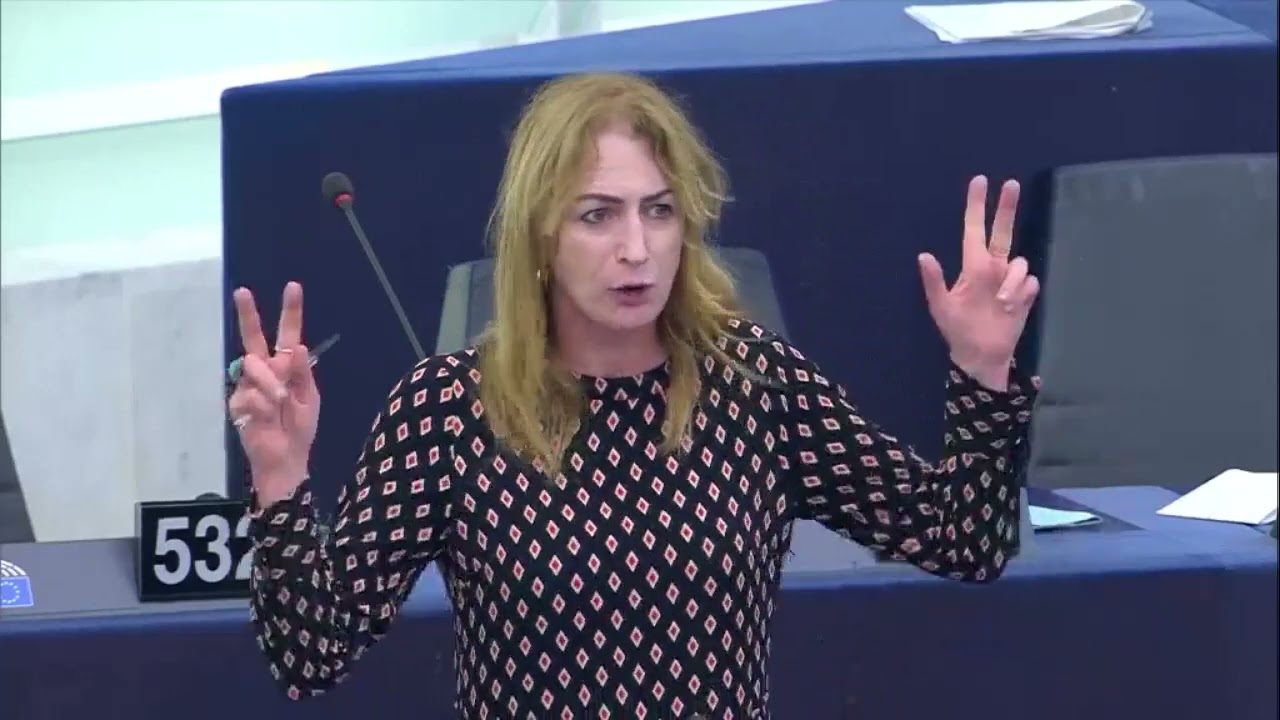
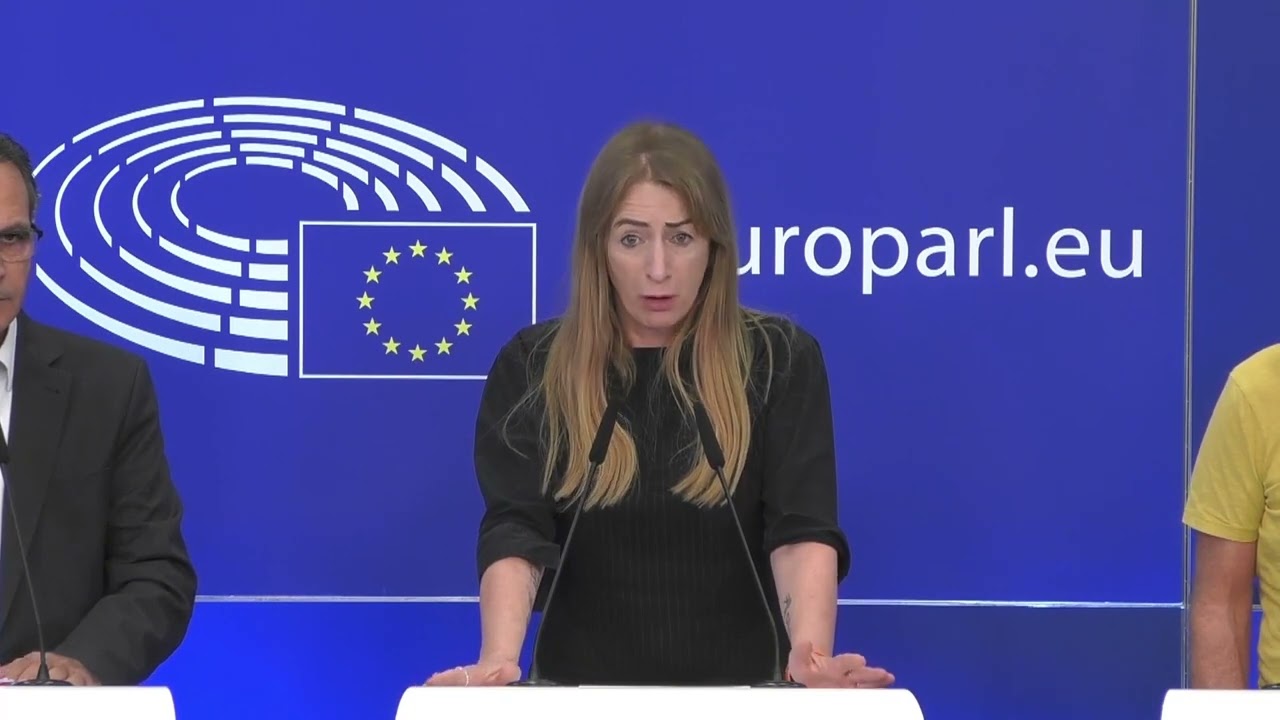
Clare Daly debates a sustainable blue economy in the EU with fisheries & aquacultures
Автор: EU Debates | eudebates.tv
Загружено: 2022-05-03
Просмотров: 1917
Описание:
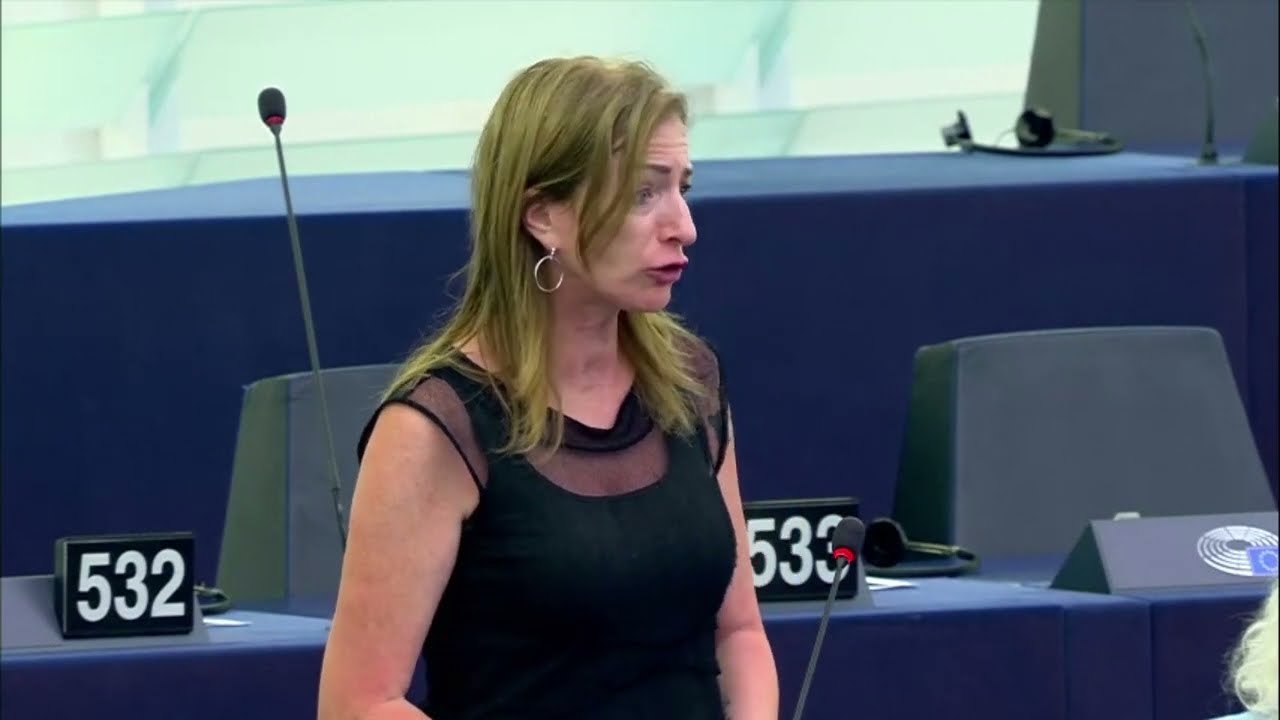
Clare Daly (The Left). – Mr President, I would like to thank the rapporteur very much for her work. I think in an Irish context, there’s no doubt about it, fishermen have been sold out; from the beginning of the European Union, sold out to the bigger interests of the bigger countries, and sacrificed and unsupported by successive governments. So it’s understandable then, when an important proposal – the end of bottom trawling in marine protected areas – comes on the table that they feel threatened by that. And I understand that.
But as my colleague has just said, a marine protected area must be a protected area. And the truth is that bottom trawling threatens our ecosystems, disturbs habitats, releases carbons and is a practice that we cannot have continuing. In an Irish context, our oceans are 2% marine protected areas. I understand the fishermen believe that these will get bigger and this will impact on their livelihoods. But the – I suppose – future of humanity is also at stake and the obligation is on the EU and our government to support our fishermen, which they have never done before now.
#eudebates the unique initiative aiming to promote debate, dialogue, knowledge, participation and communication among citizens. #biodiversity #fisheries #Environment #Fisheries #Oceans
The 2021 assessment of the common fisheries policy shows that Europe’s fisheries are continuing to become more sustainable. This means that consumers have more access to healthy and sustainable food, fishermen and women continue to have a reliable source of income and the sector itself is becoming more resilient.
Furthermore, consumer demand for low environmental footprint and short supply chains is growing. At the same time, the growing efforts made by fishermen/women and fish farmers to achieve product quality need to be rewarded by the market. The farm to fork action plan includes initiatives on a sustainable food-labelling framework that will enable consumers to make informed choices. An EU code of conduct for responsible business and marketing in the food supply chain will also seek ambitious commitments from the middle part of the chain, which will uphold the sustainability efforts of fishermen/ women and fish-farmers and ultimately make seafood value chains permanently sustainable. To strengthen the position of consumers and help ensure that the EU market for fisheries and aquaculture products is a level playing field, EU seafood marketing standards will be modernised, building sustainable food systems in the blue economy.
Despite this strengthening, some challenges still remain, and Commissioner Sinkevičius stated earlier this year that there is still a long way to go by highlighting the exploitation of the Mediterranean and Black Seas. To combat this, the Commission recently adopted a proposal for sustainable fishing opportunities for 2022 in the Mediterranean and the Black Seas. The ambition is to achieve sustainable fisheries in these two sea basins, by making sure that all fish catches are fully reliant on scientific advice and are in line with the recently adopted 2030 Strategy of the General Fisheries Commission for the Mediterranean (GFCM). The regulation should apply as of January 1st 2022 and will bring Europe’s seas closer to reaching sustainable levels.
Achieving coherence between the European Green Deal, the Recovery Plan for Europe, the Fark to Fork Strategy and the Blue Economy is paramount for a sustainable future. As Commissioner Sinkevičius states, “there is no Green Deal without the oceans, no green recovery without the blue economy.”
Повторяем попытку...
Доступные форматы для скачивания:
Скачать видео
-
Информация по загрузке: