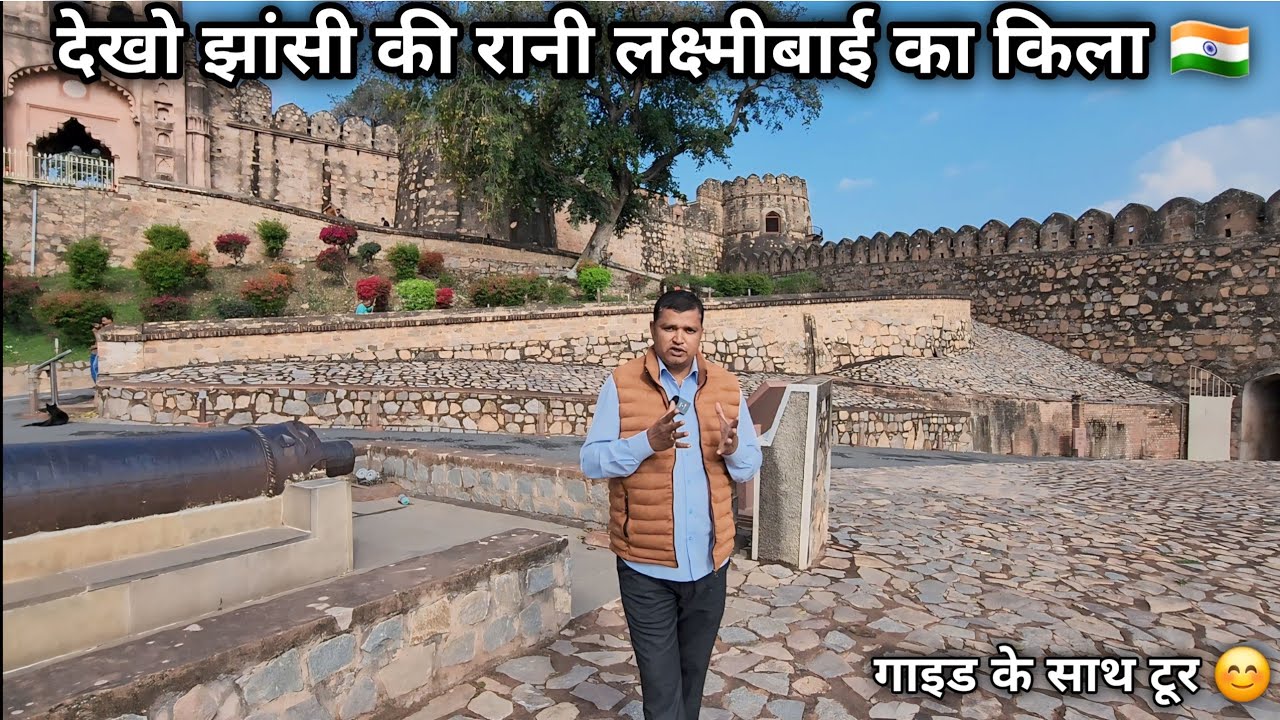
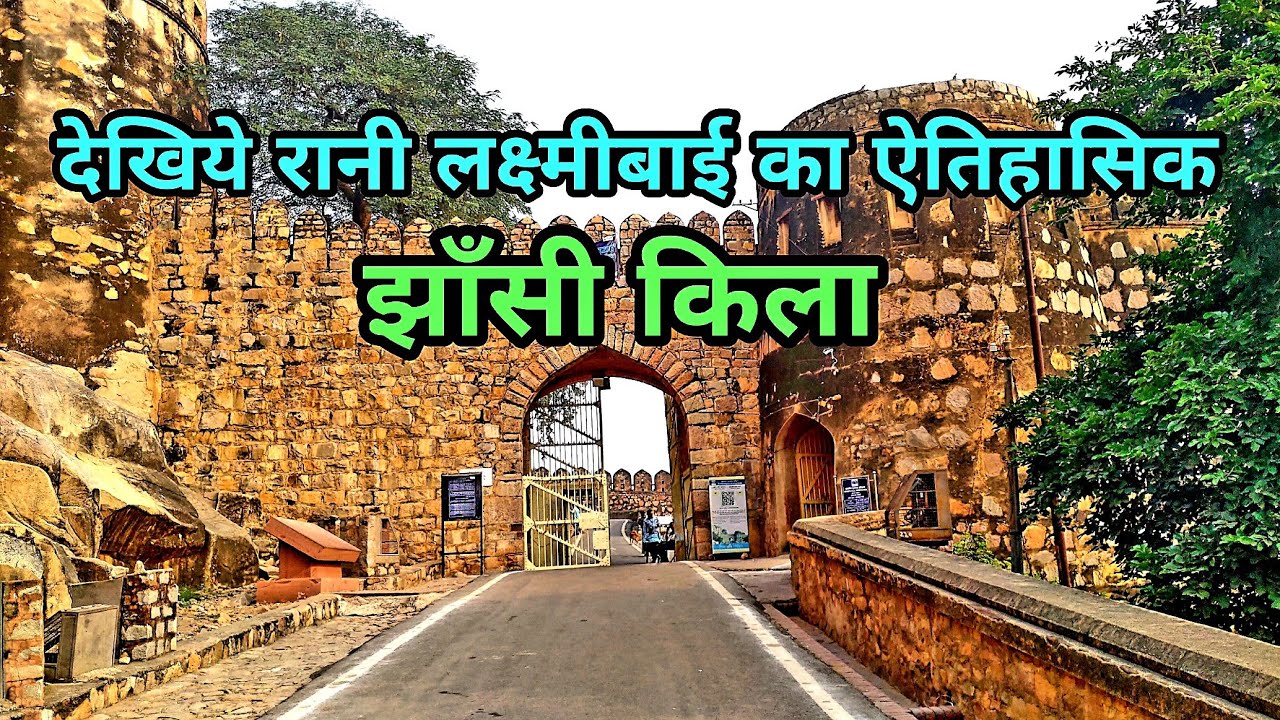
झाँसी का किला | Jhansi Fort History | Jhansi Ka Kila | Complete Tour With Guide | Vlogs Rahul
Автор: Vlogs Rahul
Загружено: 2024-01-18
Просмотров: 6973
Описание:
झाँसी का किला | Jhansi Fort History | Jhansi Ka Kila | Complete Tour With Guide | Vlogs Rahul
_____________________________________________
Business enquiry
[email protected]
Instagram id - / vlogs_rahul_78
_____________________________________________
Jhansi ka kila kahan per hai
Jhansi ka kila kisne banwaya tha
Jhansi fort
Jhansi fort ticket price
Jhansi fort time
Jhansi Fort or Jhansi ka Qila is a fortress situated on a large hilltop called Bangira in Uttar Pradesh It served as a stronghold of the Chandela Kings in Balwant Nagar old name of Jhansi from the 11th through the 17th century
There was another British fortress called the Star Fort which was located south of the main fortress of the town at Jhansi Cantt It was a primary British settlement in the town and had been constructed in accordance to a treaty of the British with the Newalkar Maharaja of Jhansi in 1804 through which Jhansi became subordinate to the British The Star Fort was stormed by a Bengal infantry in June 1857 during the rebellion
The Jhansi fort is located in the middle of Jhansi city It is 3 km from the Jhansi Railway station The nearest airport is Gwalior which is 103 km from Jhansi The fort can also be reached by getting down at the Jhansi Museum Bus Stop
The construction of the Jhansi fort is ascribed to the Bundela Rajput chief and the ruler of the Kingdom of Orchha Veer Singh Deo Bundela in 1613 It is one of the strongholds of the Bundelas In 1728 Mohammed Khan Bangash attacked Maharaja Chattrasal Peshwa Bajirao helped Maharaja Chattrasal defeat the Mughal army As a mark of gratitude Maharaja Chattrasal offered a part of his state which included Jhansi to Peshwa Bajirao In 1742 Naroshanker was made the subedar of Jhansi During his tenure of 15 years he not only extended the strategically important Jhansi fort the extension is called Shankergarh but also constructed other buildings In 1757 after Naroshanker was called back by the Peshwa Madhav Govind Kakirde and then Babulal Kanahai were made the subedars of Jhansi From 1766 to 1769 Vishwas Rao Laxman served as the subedar of Jhansi Then Raghunath Rao Newalkar was appointed the subedar of Jhansi He was a very able administrator increasing the revenue of the state and building both the MahaLakshmi Temple and the Raghunath Temple
After the death of Shiv Rao his grandson Ramchandra Rao was made subedar of Jhansi His poorly administered term ended with his death in 1835 His successor Raghunath Rao died in 1838 The British rulers then accepted Gangadhar Rao as the Raja of Jhansi The inefficient administration of Raghunath Rao left Jhansi in a very poor financial position
However he was succeeded by Raja Gangadhar Rao who was a very good administrator He was reportedly very generous and sympathetic and the local population of Jhansi was well satisfied In 1842 Raja Gangadhar Rao married Manikarnik Tambe who was the given the new name of Lakshmi Bai She gave birth to a boy later named Damodar Rao in 1851 who died after four months The Maharaja adopted a child called Anand Rao the son of Gangadhar Raos cousin who was renamed Damodar Rao on the day before the Maharaja died The adoption was in the presence of the British political officer who was given a letter from the Maharaja instructing that the child be treated with respect and that the government of Jhansi should be given to his widow for her lifetime After the death of the Maharaja in November 1853 because Damodar Rao born Anand Rao was adopted the British East India Company under Governor General Lord Dalhousie applied the Doctrine of Lapse rejecting Damodar Rao claim to the throne and annexing the state to its territories In March 1854 Lakshmibai was given an annual pension of Rs 60000 and ordered to leave the palace and the fort In June 1857 the revolt broke out and she took the control of the fort and led Jhansi forces against those of the British East India Company
Jhansi was besieged by the company forces of General Hugh Rose in March and April 1858 and was captured on 4 April 1858 Rani Lakshmi Bai fought bravely and then made a daring escape on horseback from the fort before the city was pillaged by Roses troops
In 1861 the British Government gave the Jhansi fort and the city of Jhansi to Jayajirao Scindia the Maharaja of Gwalior in the return for Gwalior Fort but the British took back Jhansi from Gwalior state in 1886
The fort standing in the hilly area shows how the North Indian style of fort construction differs from that of the South In the South most of the forts were built on the sea beds like the Bekal Fort in Kerala The granite walls of the fort are between 16 and 20 feet thick and on the south side the city walls meet The south face of the fort is almost perpendicular There are 10 gates
झाँसी का किला | #JhansiFortHistory | #JhansiKaKila | #CompleteTourWithGuide | #VlogsRahul
#Jhansikakilakahanperhai
#Jhansikakilakisnebanwayatha
#Jhansifort
Повторяем попытку...

Доступные форматы для скачивания:
Скачать видео
-
Информация по загрузке: