MPCE 21 Block 1 Unit 4 Ethics in counselling
Автор: Psychotips
Загружено: 2024-08-07
Просмотров: 68
Описание:
IGNOU MAPC counselling psychology
#psychotips
Detailed Summary of Unit 4: Ethics in Counseling (Sections 4.2 to 4.5.8) - Key Points
4.2 What Are Ethics?
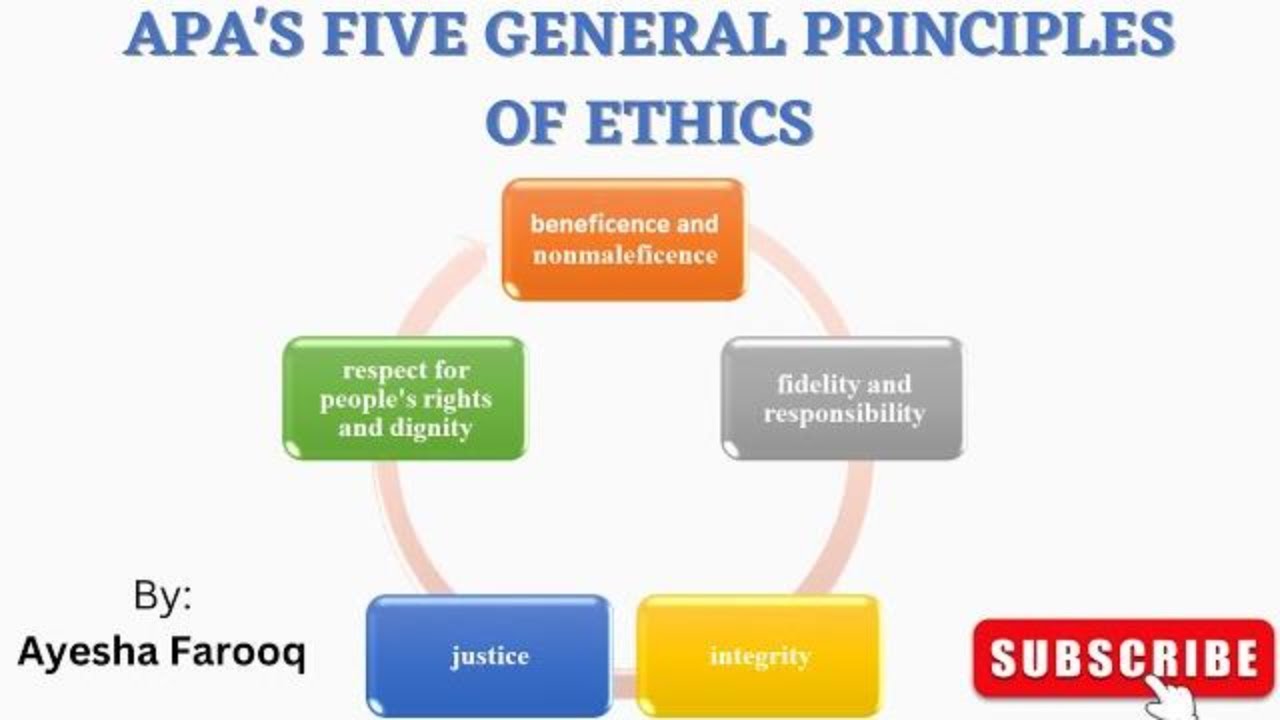
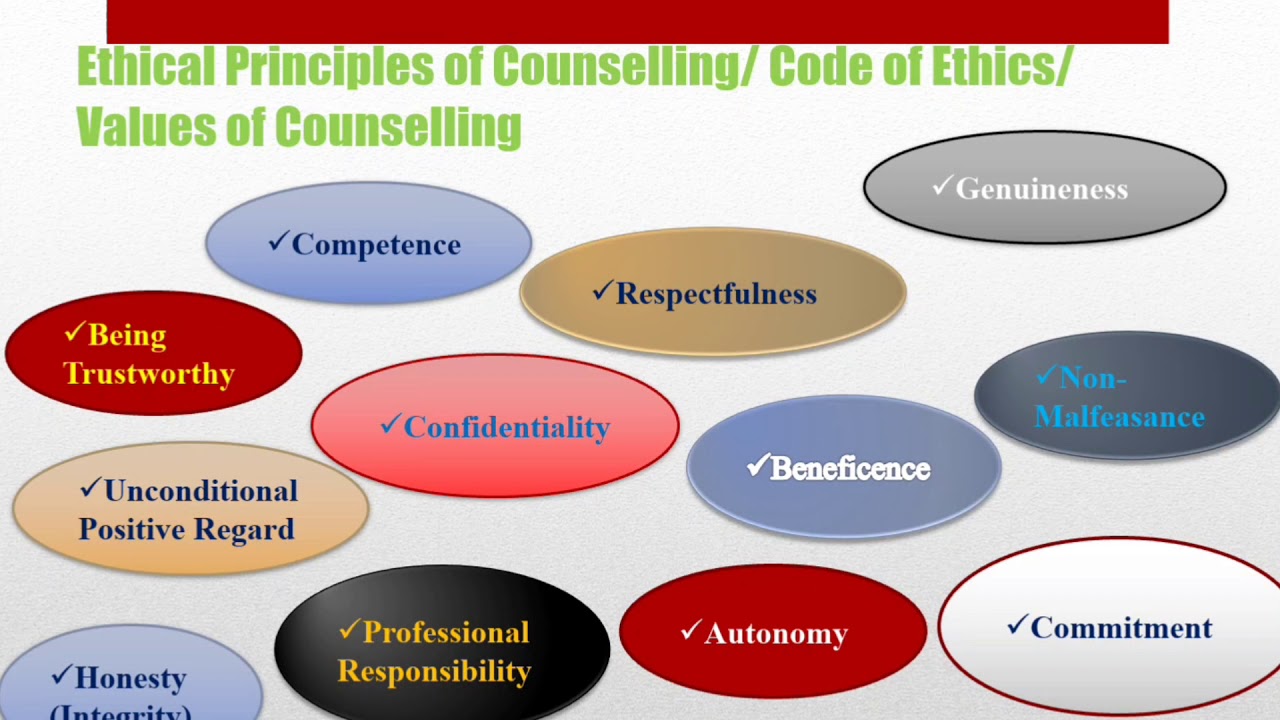
Ethics refer to moral principles guiding counselors' behavior and decision-making.
Ensure respect for clients' rights and dignity.
Promote professional and responsible conduct.
4.3 Ethical Theories and Principles
**Deontological Ethics**: Focus on rules and duties.
**Utilitarian Ethics**: Emphasize consequences and overall good.
**Virtue Ethics**: Center on the counselor's character and virtues.
#### 4.4 Ethical Codes and Standards
Provided by professional organizations (e.g., ACA, BACP).
Outline expected conduct, covering confidentiality, informed consent, boundaries, and competence.
#### 4.4.1 ACA Code of Ethics
Comprehensive guidelines for ethical practice.
Sections include:
**Counseling Relationship**: Professional and respectful client interactions.
**Confidentiality and Privacy**: Maintaining client privacy.
**Professional Responsibility**: Competence and ethical behavior.
**Relationships with Other Professionals**: Effective collaboration and boundaries.
**Evaluation, Assessment, and Interpretation**: Use of valid tools and informed consent.
**Supervision, Training, and Teaching**: Competent supervision and professional development.
**Research and Publication**: Ethical research conduct and honest reporting.
**Resolving Ethical Issues**: Structured decision-making for ethical dilemmas.
#### 4.5 Ethical Standards
#### 4.5.1 Section A: The Counseling Relationship
Respect clients' rights, dignity, and autonomy.
Ensure informed consent.
Maintain confidentiality unless legally required to disclose.
#### 4.5.2 Section B: Confidentiality and Privacy
Maintain client confidentiality.
Explain confidentiality limits to clients (e.g., risk of harm).
#### 4.5.3 Section C: Professional Responsibility
Maintain competence through continuous development.
Act ethically and avoid conflicts of interest.
Promote and advocate for the counseling profession.
#### 4.5.4 Section D: Relationships with Other Professionals
Collaborate effectively with colleagues.
Respect professional boundaries and avoid dual relationships.
#### 4.5.5 Section E: Evaluation, Assessment, and Interpretation
Use scientifically validated and appropriate assessment tools.
Obtain informed consent for assessments.
#### 4.5.6 Section F: Supervision, Training, and Teaching
Provide competent supervision and guidance.
Encourage ethical practice and continuous learning among trainees.
#4.5.7 Section G: Research and Publication
Conduct ethical research respecting participants' rights.
Report research findings accurately without falsification.
#4.5.8 Section H: Resolving Ethical Issues
Follow structured ethical decision-making models.
Seek supervision and consultation for guidance.
Document decision-making processes for transparency and accountability.
These key points highlight the essential elements of ethical practice in counseling, ensuring counselors act in the best interests of their clients while maintaining professional integrity.
Повторяем попытку...
Доступные форматы для скачивания:
Скачать видео
-
Информация по загрузке: