Did Jesus Invent Charity?
Автор: Bart D. Ehrman
Загружено: 2026-03-10
Просмотров: 5633
Описание:
Links Mentioned in this Episode:
https://bartehrman.com/BSA - Transform your understanding of the Bible through 40+ online courses with top university professors - start your free trial today!
https://bartehrman.com/GospelofPeter - Join Dr. Travis Proctor for The Gospel of Peter, a compelling lecture exploring one of early Christianity’s most controversial and fascinating lost gospels.
Episode Description
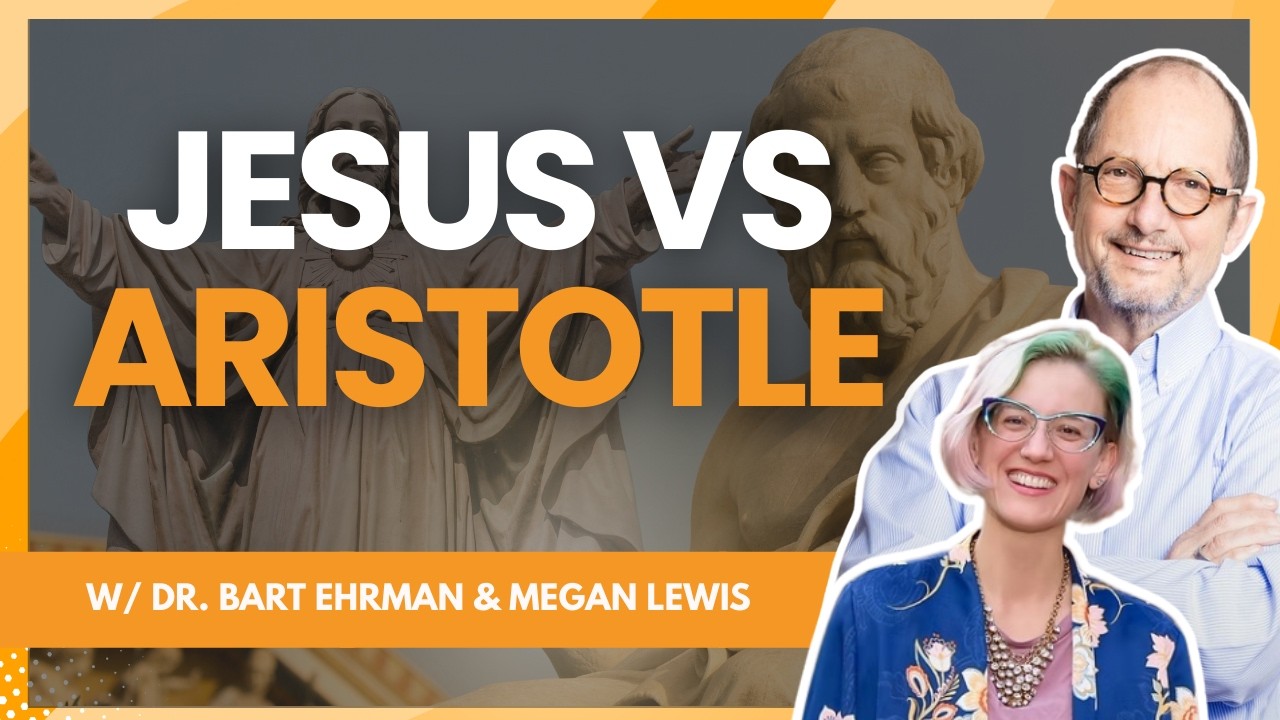
In Episode 177, Megan Lewis and Bart Ehrman break down the origins and implications of core Western moral values, asking: Did Jesus really change how we think about charity and love for strangers, or are these ethics rooted elsewhere? The discussion is grounded in Bart Ehrman’s forthcoming book, Love Thy Stranger: How the Teachings of Jesus Transformed the Moral Conscience of the West.
The episode opens with Megan Lewis sharing details of upcoming events, including the "New Insights into the Hebrew Bible" conference and a special AMA for fans. She introduces Bart Ehrman’s new book and frames the critical question guiding their discussion: “How much can you say about Jesus’ impact on the moral conscience of the West?”
Bart Ehrman explains his motivation for writing the book, linking his research from Journeys to Heaven and Hell with the development of Christian teachings on charity, forgiveness, and radical love. He argues that the idea of helping strangers, now a foundational ethical norm in Western culture, was virtually unheard of in the ancient Greek and Roman world—where giving was directed largely at family, friends, or one’s city-state, primarily for prestige or reciprocal gain. In sharp contrast, Jesus’ message called for altruistic love and aid for strangers, irrespective of social, ethnic, or religious boundaries.
The conversation navigates the philosophies of Aristotle and other Greek thinkers, the ethics upheld in ancient Judaism, the shift brought about by Jesus’ teachings, and how his followers adapted those radical ideas for broader society. Bart Ehrman tracks the development from early Christian communities to the pervasive value systems of today—where giving to anonymous disaster relief or volunteering to help those in need, even when you gain nothing, is often seen as simply "the right thing to do."
One major highlight is the nuanced way Bart Ehrman explores his personal intellectual and ethical journey—from being a committed evangelical, to his deconversion, and his evolving understanding of morality outside traditional religious frameworks.
The later part of the episode features a lively Q&A segment, delving into profound questions about Jesus’ eschatology, the biblical origins of the concept of agape love, and what happened to souls before Jesus’ atonement.
3 Key Takeaways
Jesus Radically Expanded the Circle of Moral Concern:
Ancient Greeks, Romans, and even many Jews believed charity was primarily for those close to you. Jesus shifted this paradigm—teaching that genuine love involves helping those in need, whether or not you know them.
Altruism in Western Society Owes a Large Debt to Christianity:
Actions like donating to disaster relief for strangers, volunteering at soup kitchens, or setting up charitable institutions trace their roots to Christian innovations and the enduring impact of Jesus’ teachings.
Moral Influence Persists Independent of Belief:
You don’t have to be a Christian (or even a theist) to recognize and participate in these moral frameworks. The teachings of Jesus have shaped Western culture so profoundly that, regardless of belief, many find their own conscience influenced by this expanded ethic of compassion.
Key Points
Bart Ehrman discusses the genesis and core thesis of Love Thy Stranger—the cultural transformation of moral conscience through Jesus’ teachings.
In antiquity, acts of charity or giving were seldom directed beyond immediate social circles. The concept of helping strangers in need was largely foreign.
The teachings of Jesus called for universal love and aid, even for people one did not know, shifting the traditional paradigm of philanthropy.
Bart Ehrman describes his own journey from evangelical conservatism to atheism, noting how his moral perspective evolved but retained an altruistic core influenced by Jesus’ teachings.
Greek and Roman philosophers promoted happiness, status, and reciprocal benefit as the reasons for giving; Jesus advocated unconditional aid to the needy.
Altruism and its motivations are explored through philosophical, psychological, and evolutionary lenses.
Early Jewish thought contributed vital elements to the ethics adopted and transformed by Jesus, particularly through the Torah’s commandments on love.
After Jesus’ death, his followers moderated his most radical teachings but maintained the basic ethic of helping those in need, institutionalizing charity (e.g., hospitals, orphanages, poor relief).
Повторяем попытку...
Доступные форматы для скачивания:
Скачать видео
-
Информация по загрузке: