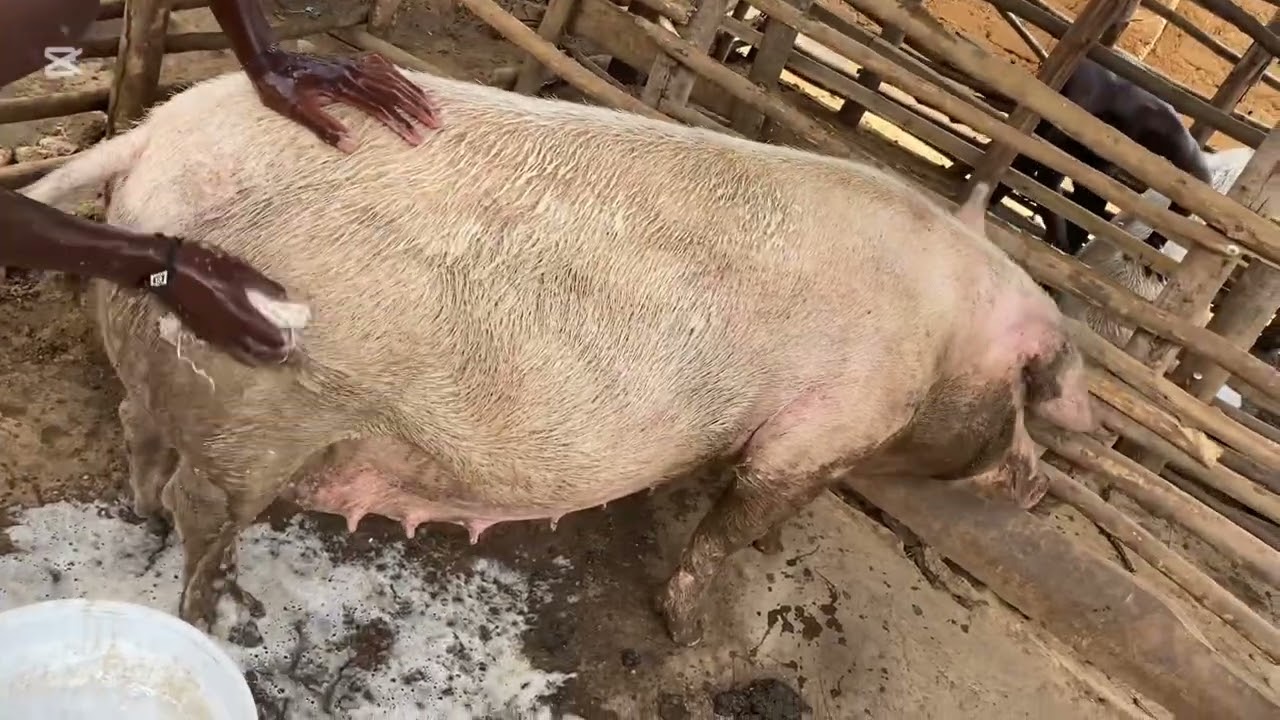
Zambia Diary - Mastitis Prevention and Treatment
Автор: Zambia Dairy
Загружено: 2023-04-24
Просмотров: 270
Описание:
This video outlines how to prevent and treat mastitis in dairy animals.
For more information on this subject, see fact sheets M03A, M03B and M03C at https://www.zambiadairy.com/fact-sheets.
Mastitis is an infection of a cow’s udder, caused by bacteria entering the teat opening.
The infection can cause visible changes in the udder and the milk; this is called ‘clinical’ mastitis.
The infection can also cause more subtle changes, where you may not see changes in the cow or her milk; this is called ‘sub-clinical’ mastitis.
If your cow has either type of mastitis, the risk is that bacteria will get into the milk and your milk will then be rejected by Milk Collection Centre staff.
Mastitis is caused by mastitis-causing bacteria entering the teat canal.
That is why it’s important to practice good hygiene at milking time, because this is when the teat canals are open.
Some mastitis-causing bacteria live in the cow’s udder or on her teats.
Others live in places like the milking parlour.
Bacteria can be spread by contact with splashes of infected milk, the milker’s hands, tissues or towels used to wipe teats before milking.
Bacteria is more likely to be present in dirty milking parlours, dirty bedding and in muddy kraals.
You can check for signs of clinical or sub-clinical mastitis using a low-cost Rapid Mastitis Test, which uses Sunlight dishwashing liquid.
The test looks for high levels of Somatic Cells, which are produced by the cow to help fight off diseases and infections such as mastitis.
Mix four parts potable water with one part Sunlight detergent.
Add 2ml of the detergent and water mix to 2ml of fresh raw milk.
The milk you are testing should be from the third or fourth squirts from individual quarters.
With a high Somatic Cell Count, a liquid resembling ‘snot’ will appear in your tested milk.
If this occurs, safely discard the milk and do not send this milk for sale.
Treatment of mastitis involves milking the infected cow at least four times a day.
This is called ‘stripping’ and the idea is to remove the infection.
In serious cases, your animal may also need an antibiotic infusion – for this, you will need to consult a qualified veterinary professional.
If drugs are used, you will also need to withhold any milk from sale for a prescribed withdrawal period.
Do not treat your animals with drugs unless you are advised to do so.
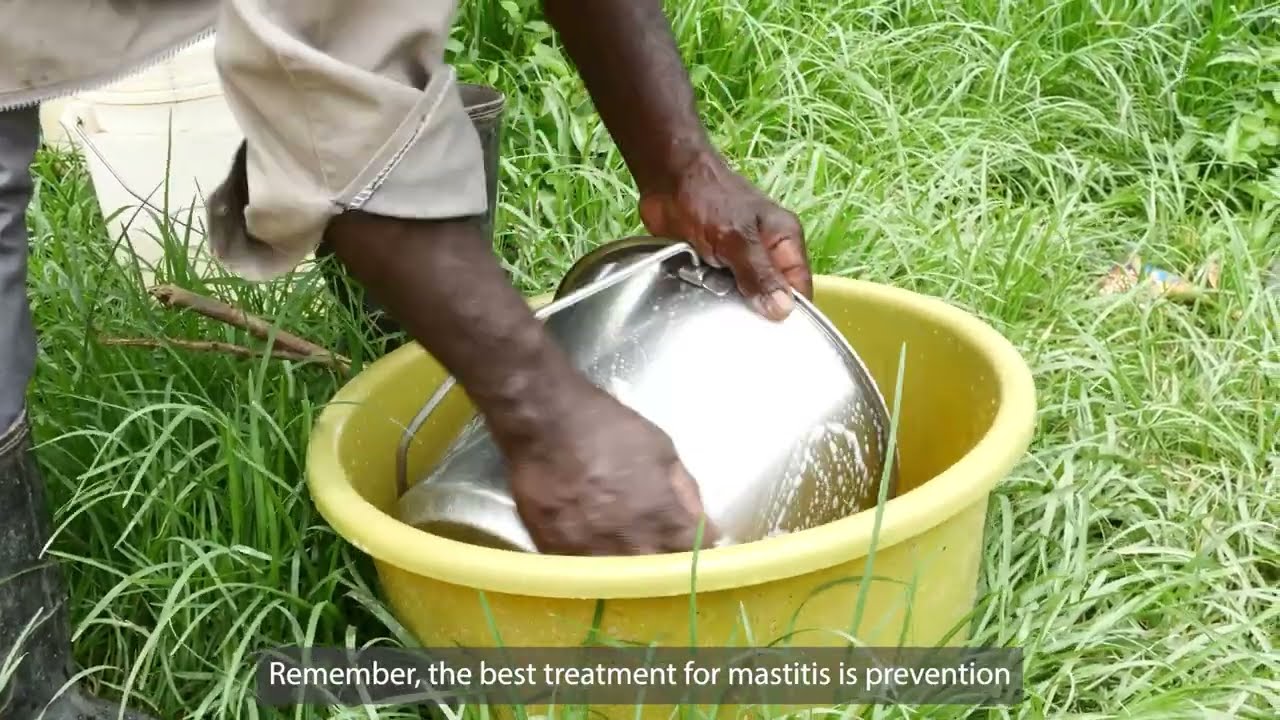
To prevent mastitis, always ensure that your cows are milked in a clean, dry place, using clean utensils such as buckets and cans.
Milkers should also maintain good hygiene – for example, wearing clean milking outfits and washing their hands regularly.
When the rains start, it’s important to be extra vigilant around mastitis prevention because mastitis bacteria thrive when there’s a lot of mud and dirty water around.
It is also wise to regularly test your milk for signs of sub-clinical mastitis because if left untreated, it can develop into clinical mastitis.
Remember that milk quality can also be affected by how milk is stored and transported to the Milk Collection Centre.
The milk that comes out of the cow may be of good quality; however, it can be spoiled if milking buckets, cans and sieves are not clean and dry.
Remember… the best treatment for mastitis is prevention.
Повторяем попытку...
Доступные форматы для скачивания:
Скачать видео
-
Информация по загрузке: