Forests
Автор: Life360 Hub
Загружено: 2026-01-05
Просмотров: 3
Описание:
#Forests #Nature #Environment
🌲 Forests — A Detailed Explanation
1. What Are Forests?
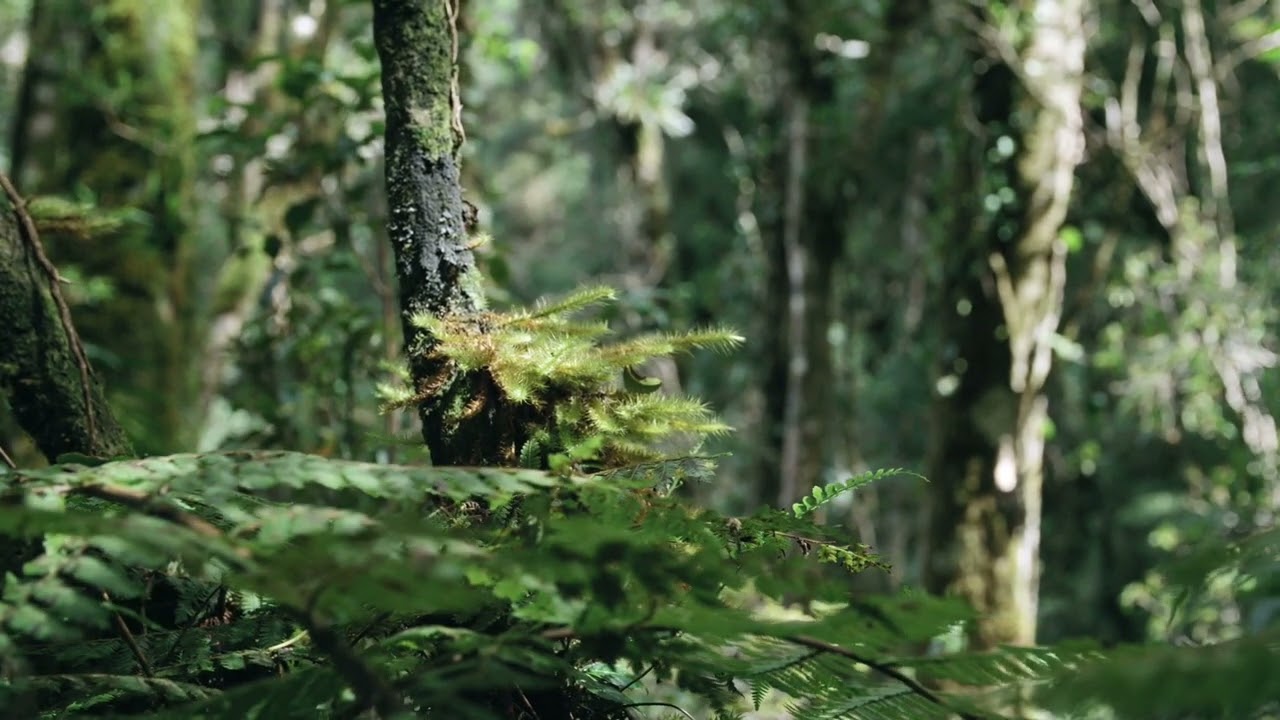
A forest is a large area of land dominated by trees, plants, wildlife, and microorganisms. Forests cover about 31% of the Earth’s land surface and are one of the most important ecosystems on the planet. They support life, regulate climate, and provide resources essential for human survival.
2. Types of Forests
Forests are classified based on climate, location, and vegetation.
🌴 a) Tropical Forests
• Found near the Equator (Amazon, Congo, Southeast Asia)
• Warm climate with heavy rainfall
• Extremely high biodiversity
• Examples: Tropical rainforests, tropical dry forests
🌳 b) Temperate Forests
• Found in Europe, North America, East Asia
• Four distinct seasons
• Moderate rainfall
• Trees shed leaves in autumn (deciduous)
• Examples: Oak, maple, beech forests
🌲 c) Boreal Forests (Taiga)
• Found in Canada, Russia, Scandinavia
• Long cold winters, short summers
• Mostly evergreen trees (pine, spruce)
• Largest land biome on Earth
🌵 d) Mangrove Forests
• Found in coastal areas and river deltas
• Salt-tolerant trees
• Protect coastlines from erosion and storms
• Example: Sundarbans (Bangladesh & India)
3. Components of a Forest Ecosystem
A forest ecosystem has living (biotic) and non-living (abiotic) components.
🌱 Biotic Components
• Producers: Trees, shrubs, grasses
• Consumers: Animals, birds, insects
• Decomposers: Fungi, bacteria (recycle nutrients)
🌍 Abiotic Components
• Sunlight
• Water
• Soil
• Air
• Temperature
4. Importance of Forests
Forests are vital for environmental balance and human life.
🌬️ Environmental Importance
• Produce oxygen and absorb carbon dioxide
• Reduce global warming and climate change
• Maintain the water cycle and rainfall
• Prevent soil erosion and floods
🐅 Ecological Importance
• Habitat for 80% of terrestrial biodiversity
• Maintain food chains and ecosystems
• Protect endangered species
👨👩👧 Human & Economic Importance
• Provide timber, paper, fuelwood
• Source of medicines and herbs
• Support livelihoods (tribal communities, forest workers)
• Promote ecotourism
5. Forest Layers (Structure)
Forests have distinct layers:
1. Emergent Layer – Tallest trees receiving maximum sunlight
2. Canopy Layer – Dense layer forming a roof over the forest
3. Understory – Small trees and shrubs
4. Forest Floor – Fallen leaves, dead plants, decomposers
6. Threats to Forests
Forests are under serious threat due to human activities.
• Deforestation for agriculture and urbanization
• Illegal logging
• Forest fires
• Climate change
• Mining and infrastructure projects
7. Effects of Deforestation
• Loss of biodiversity
• Increased carbon emissions
• Climate imbalance
• Soil degradation
• Displacement of indigenous communities
8. Forest Conservation
Ways to protect and restore forests:
• Afforestation and reforestation
• Sustainable logging practices
• Wildlife protection laws
• Community forest management
• Awareness and education
9. Forests in Bangladesh (Relevant Example)
• Forests cover about 11–14% of Bangladesh’s land area
• Major forests:
• Sundarbans (Mangrove Forest) – World’s largest mangrove forest
• Hill Forests – Chittagong & Sylhet
• Sal Forests – Central Bangladesh
10. Conclusion
Forests are the lungs of the Earth. They sustain life, protect the planet, and support economic and cultural systems. Protecting forests today ensures a healthy and sustainable future for generations to come 🌍🌱
#Wildlife
#NatureLovers
#SaveForests
#Earth
#ClimateChange
#GreenPlanet
#Ecosystem
#Biodiversity
#NaturalBeauty
#SustainableLiving
#PlanetEarth
#NatureVideo
Повторяем попытку...
Доступные форматы для скачивания:
Скачать видео
-
Информация по загрузке: