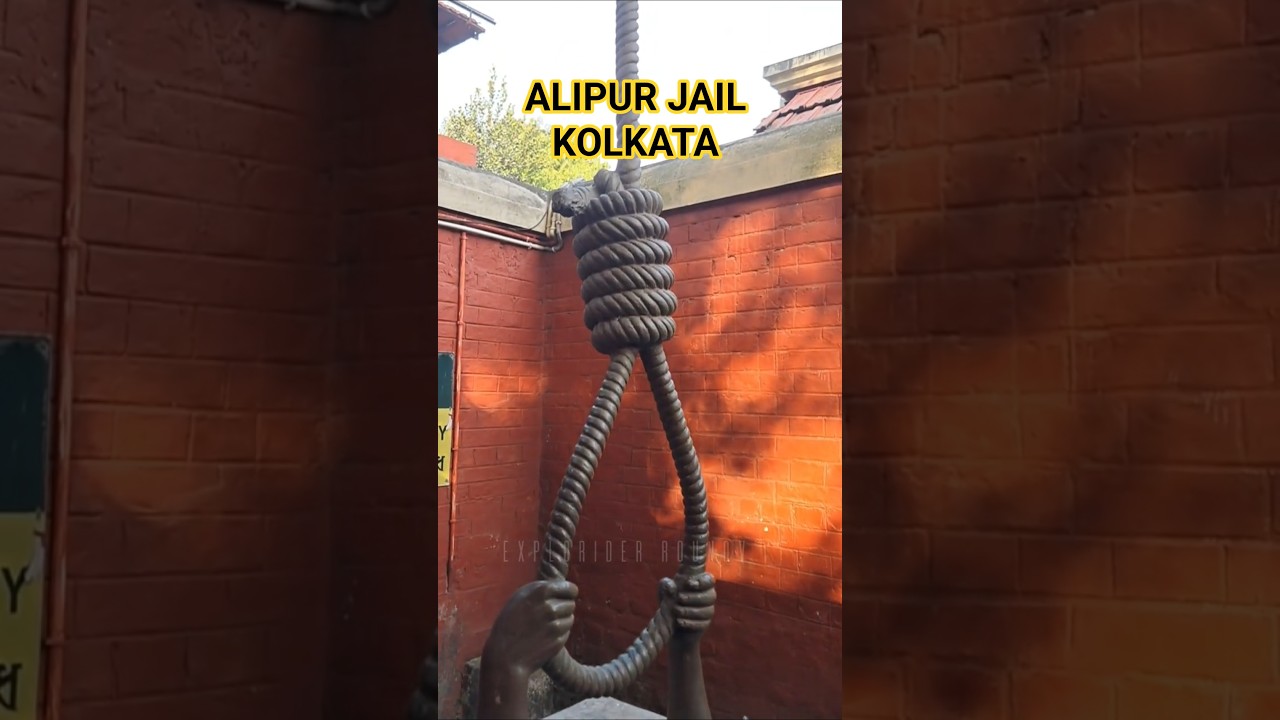
Alipur Jail
Автор: EXPLORIDER ROUNOV
Загружено: 2026-01-12
Просмотров: 8
Описание:
The Alipore Jail, officially known as the Alipore Central Correctional Home, is one of India's most significant historical landmarks. Located in Kolkata, it served as a primary site of incarceration for revolutionary freedom fighters during British rule.
In 2019, the jail was officially closed, and in September 2022, it was reopened as the Alipore Independence Museum to honor those who suffered and sacrificed within its walls.
1. Origins and Architecture
**Establishment (1906): While an "Old Alipore Jail" (later renamed Presidency Jail) existed nearby from the early 19th century, the current red-brick structure was built in 1906.
Design: It was designed using a panopticon-style radial layout, similar to the Cellular Jail in the Andamans. This design allowed guards at a central watchtower to monitor all cell blocks simultaneously.
The Red Bricks: The jail is iconic for its high, formidable red-brick walls, which have become a symbol of the colonial-era penal system.
2. Role in the Freedom Movement
The jail earned its reputation as a "Bastille of India" because of the prominent revolutionaries held there. Notable inmates included:
Netaji Subhas Chandra Bose: Incarcerated multiple times, his cell is now a major part of the museum.
Jawaharlal Nehru: Spent time here in 1934 during the Civil Disobedience Movement.
Sri Aurobindo: Imprisoned during the famous Alipore Bomb Case (1908–09). It was during his year here that he underwent a profound spiritual transformation.
Other Leaders: Chittaranjan Das, Dr. Bidhan Chandra Roy (the first CM of West Bengal), and Dinesh Gupta (of the Binoy-Badal-Dinesh trio).
3. The Gallows and Brutality
The jail was a site of numerous executions of young revolutionaries.
The Martyrs: Freedom fighters like Kanailal Dutta and Satyendranath Bosu were executed here following the Alipore Bomb Case.
Condemned Cells: Special cells located directly opposite the gallows were used to house prisoners the night before their execution, often strategically placed so other inmates could witness the psychological toll of the upcoming hanging.
4. Transformation into a Museum (2019–Present)
The West Bengal government shifted the remaining inmates to a new facility in Baruipur in 2019 to preserve the Alipore site as a heritage landmark.
The Alipore Museum: Today, visitors can walk through the original cells, see the gallows, and view light-and-sound shows that depict the history of the Indian independence struggle.
Preserved Areas: Specific cells used by Nehru and Netaji have been maintained in their
original state to give visitors a sense of the conditions faced by these leaders.
Would you like me to find the current visiting hours and ticket prices for the Alipore Independence Museum?
Повторяем попытку...
Доступные форматы для скачивания:
Скачать видео
-
Информация по загрузке: