The Iconoclast Controversy: How a Religious War Nearly Destroyed the Byzantine Empire!
Автор: Cryptic Mystic Vault
Загружено: 2024-12-05
Просмотров: 352
Описание:
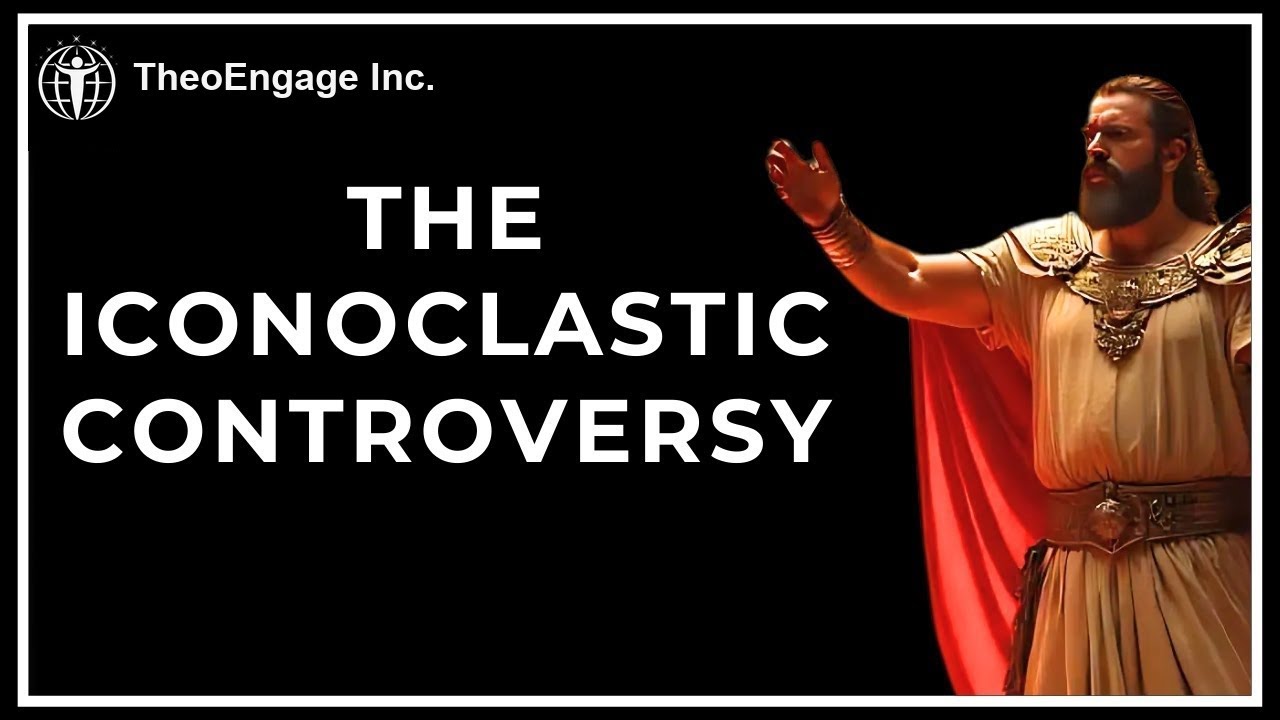
The Iconoclast Controversy was one of the most profound religious and political conflicts in the history of the Byzantine Empire. This major dispute over the use of religious icons and images divided the empire and reshaped the relationship between the church and the state. Spanning over a century, this debate would become one of the defining moments of Byzantine history and had lasting effects on the development of Christian doctrine and Eastern Orthodox practices. In this video, we dive into the complex world of the Iconoclast Controversy, exploring the theological arguments, political power plays, and the monumental cultural shifts that resulted from this conflict. 🏛️⚔️📜
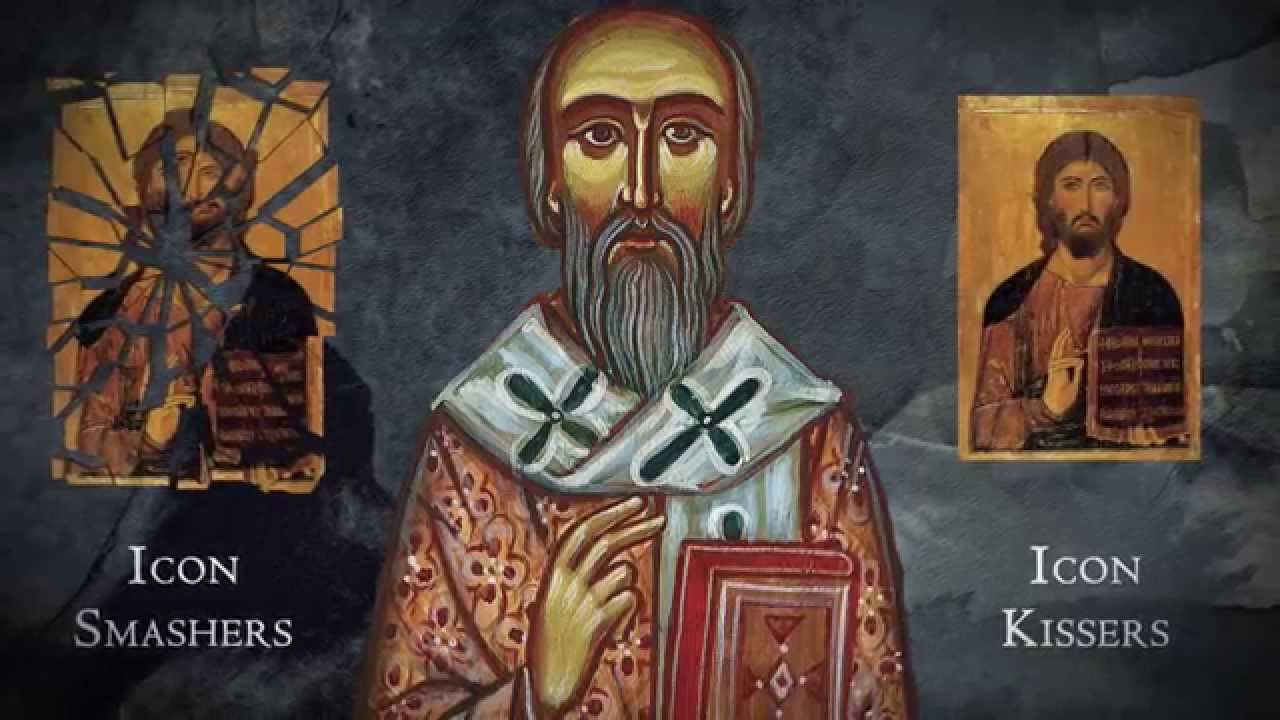
The video begins by setting the stage in the 8th century, when the Byzantine Empire was at the height of its power. At this time, Christianity had already firmly established itself as the state religion, and the Eastern Orthodox Church played a central role in both the spiritual and political life of the empire. However, the use of icons (religious images depicting Christ, the Virgin Mary, saints, and angels) became a point of intense controversy. Iconoclasts, or opponents of the veneration of images, believed that the use of icons violated the commandments of the Bible, specifically the commandment against creating graven images (Exodus 20:4-5). On the other side, the iconophiles (supporters of icons) argued that these images were important tools for worship, not idols, and that they allowed the faithful to connect more deeply with the divine. 🖼️🔥
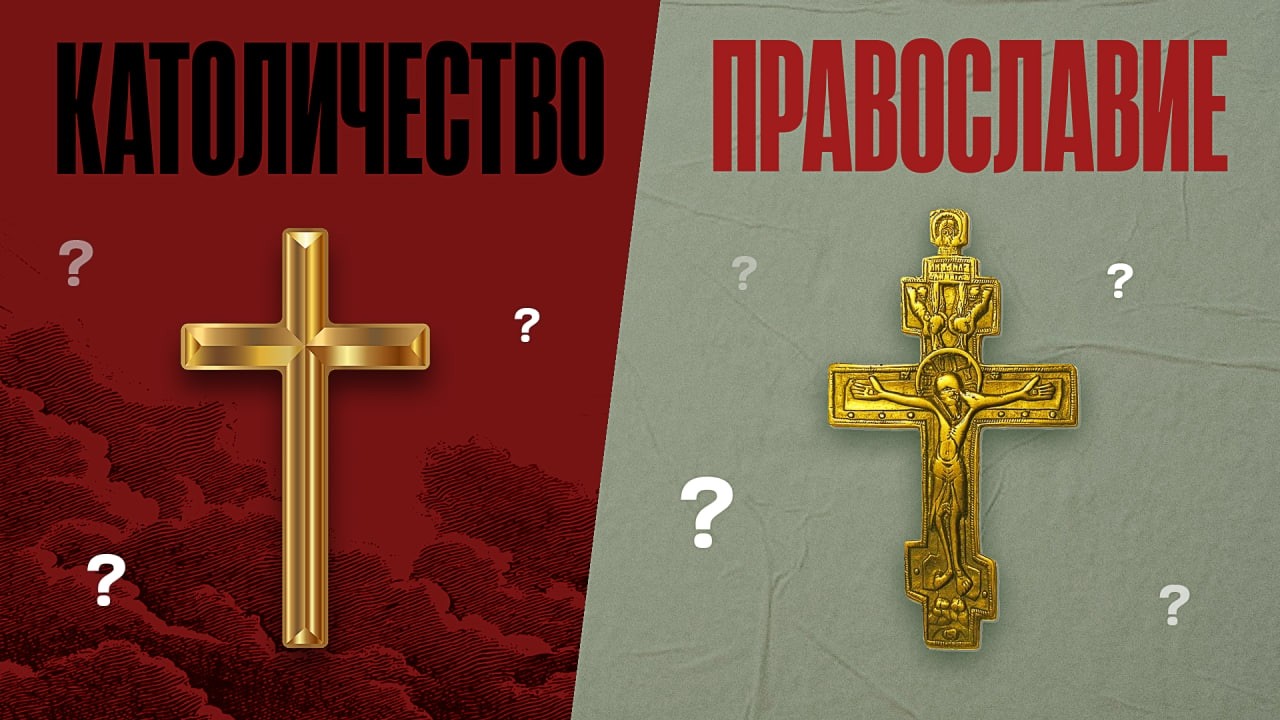
The video explores how the controversy began under Emperor Leo III (717–741), who issued decrees forbidding the use of religious images, starting the era of iconoclasm. Leo III and his successors, including Constantine V, were staunch iconoclasts. The emperor’s theological reasoning for iconoclasm stemmed from his belief that icon veneration was tantamount to idolatry. Leo III’s policies sparked fierce opposition from church leaders, especially Pope Gregory II and Pope Gregory III, who stood firm in their support for the use of icons. The rift between the Papal authority in the West and the Byzantine emperors in the East would grow deeper during this period, contributing to the eventual schism between the Eastern Orthodox and Roman Catholic churches. 🏰✝️
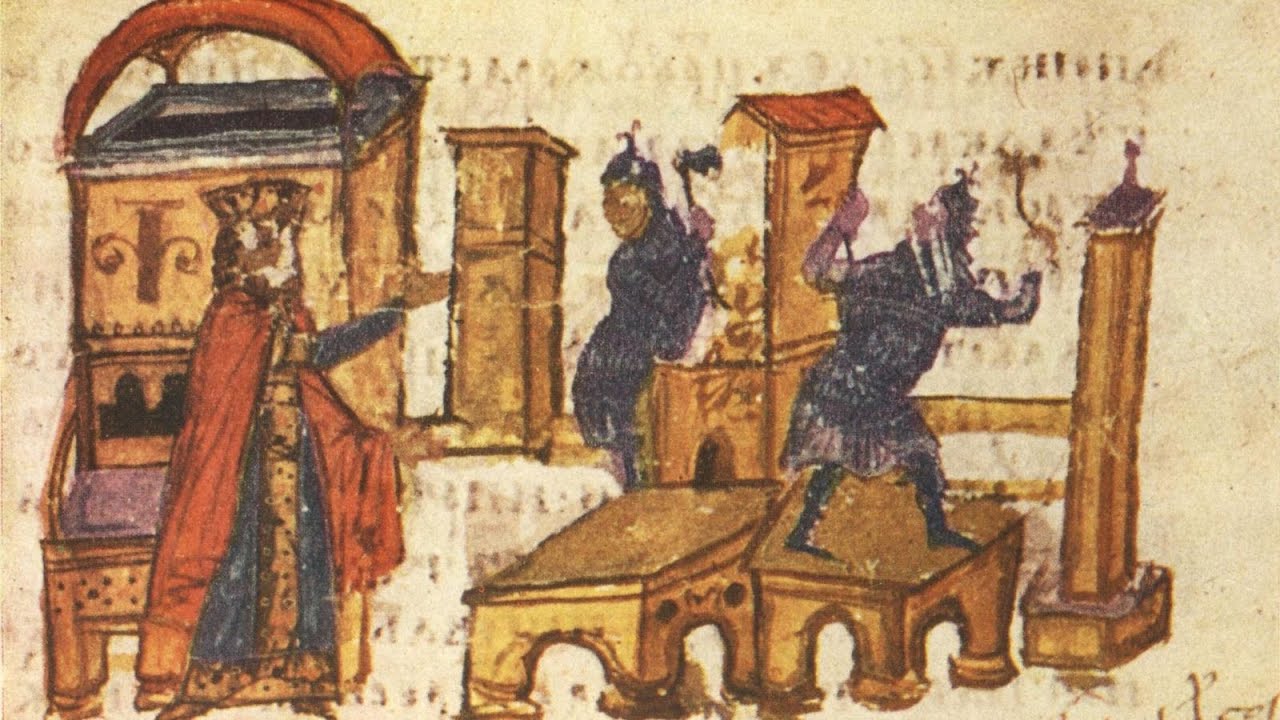
The controversy escalated when Constantine V, known for his military and iconoclastic zeal, took the throne in 741 and intensified the iconoclast movement. He argued that the church needed to purify itself from what he considered to be false worship. This led to the destruction of icons in churches and public spaces, and the excommunication of church leaders who resisted his decrees. The video illustrates the violent actions that took place during this period, including the burning of icons and the iconoclast councils that reaffirmed the emperor's position. These actions sparked a deep divide within Byzantine society, with battles fought not only on theological grounds but also in political arenas. 💔🔥
The video concludes by reflecting on the legacy of the Iconoclast Controversy. Despite the iconoclasts’ temporary success, the iconophiles ultimately triumphed, and the veneration of icons remains a central practice in the Eastern Orthodox Church to this day. The Iconoclast Controversy is seen as a pivotal moment in Byzantine history, influencing both Byzantine art and the political structures of the empire. It is also a critical moment in the history of Christianity, shaping the theological and political debates that would continue to play out for centuries.
Join us as we explore the Iconoclast Controversy, its religious significance, and how it shaped the future of the Byzantine Empire and the broader Christian world! 🌟🙏
#byzantineempire #iconoclastcontroversy #byzantinehistory #religiousconflict #byzantinechurch #christianityhistory #easternorthodoxchurch #icons #theology #churchstateconflict #byzantineemperors #byzantineart #iconoclasts #iconophiles #secondcouncilofnicaea #exodus204 #idolatryinbyzantium #byzantineartifacts #churchhistory #politicalhistory #byzantineculture #byzantineempirehistory #easternorthodoxfaith #greekorthodoxchurch #romanempirehistory #churchschism #iconveneration #empressirene #christianorthodoxy #papalpower
OUTLINE:
00:00:00 The Byzantine Empire and the Significance of Icons
00:01:47 Emperor Leo III and the Challenge to Tradition
00:03:11 Theological and Political Justifications
00:04:32 The Iconodules' Arguments for Veneration
00:05:51 A World Without Icons
Повторяем попытку...

Доступные форматы для скачивания:
Скачать видео
-
Информация по загрузке: