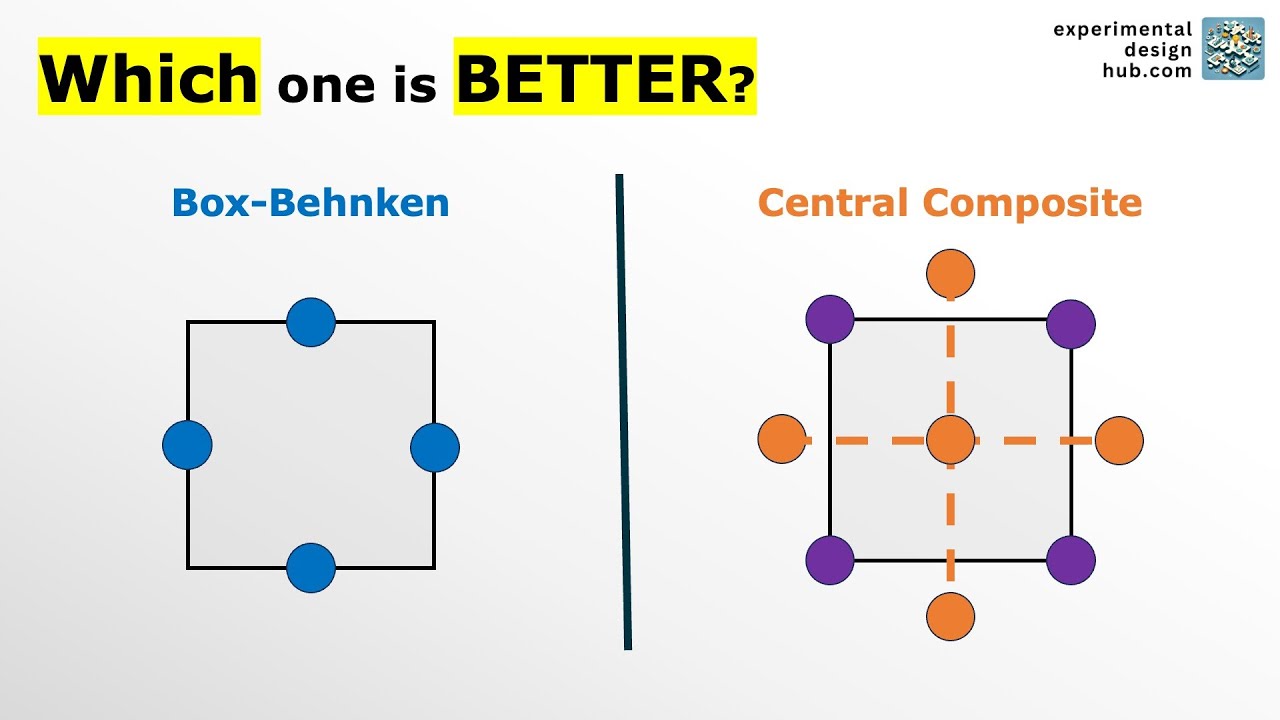
Design Of Experiment (DOE), by Response Surface Methodology
Автор: MR-CFD ANSYS Fluent Tutorials and Services
Загружено: 2021-06-19
Просмотров: 7707
Описание:
What is the Design of the Experiment (DOE)?
Design of Experiments (DOE) is also referred to as Designed Experiments or Experimental Design – is defined as the systematic procedure carried out under controlled conditions to discover an unknown effect, to test or establish a hypothesis, or to illustrate a known effect. It involves determining the relationship between input factors affecting a process and the output of that process. It helps to manage process inputs to optimize the output.
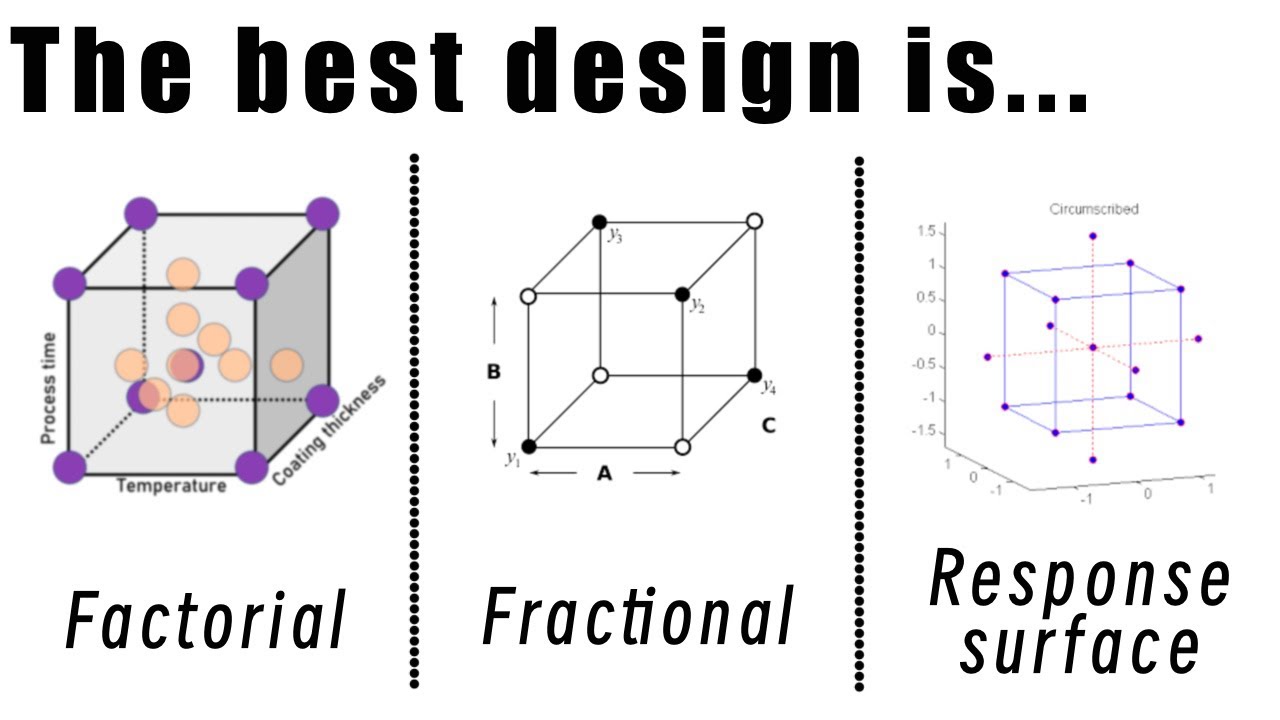
Sir Ronald A. Fisher first introduced the method in the 1920s and 1930s. Design of Experiment is a powerful data collection and analysis tool used in various experimental situations. It allows manipulating multiple input factors and determining their effect on the desired output (response). By changing multiple inputs simultaneously, DOE helps to identify significant interactions that may be missed when experimenting with only one factor at a time. We can investigate all possible combinations (full factorial) or only a portion of the possible combinations (fractional factorial).
A well-planned and executed experiment may provide a great deal of information about the effect on a response variable due to one or more factors. Many experiments involve holding certain factors constant and altering the levels of another variable. However, this “one factor at a time” (OFAT) approach to process knowledge is inefficient compared to changing multiple factor levels simultaneously.
As was mentioned previously, there are multiple approaches to DOE. OFAT, Full and Fractional factorial, Taguchi and Response surface methodology (RSM). However, the RSM proves to be the best approach among the existing methods for DOE.
https://www.mr-cfd.com/shop/design-of...
Повторяем попытку...
Доступные форматы для скачивания:
Скачать видео
-
Информация по загрузке:



![Почему работает теория шести рукопожатий? [Veritasium]](https://imager.clipsaver.ru/ggI1xKzoANs/max.jpg)





![[CFD] How Fine should my CFD mesh be?](https://imager.clipsaver.ru/60fDz2cVdy8/max.jpg)