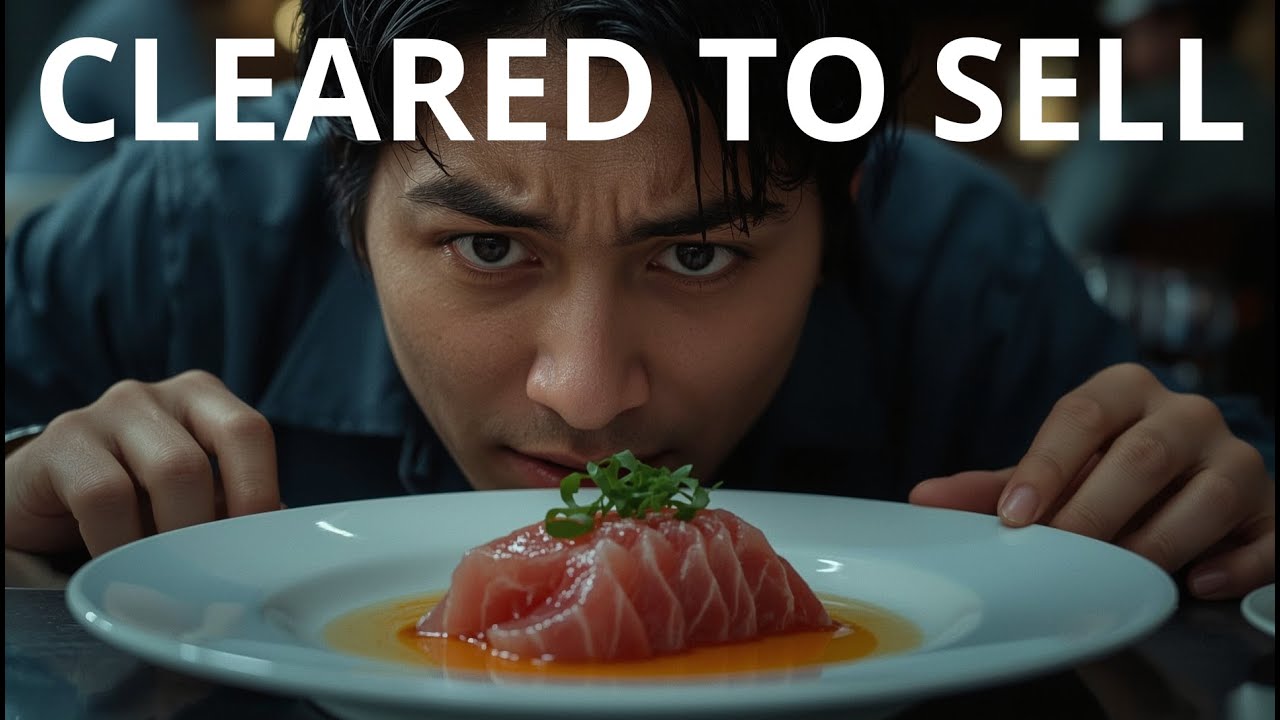
Sushi’s Silent Poison — How Frozen Fish Made 425 People Sick
Автор: TheFoodIntel
Загружено: 2026-01-13
Просмотров: 1
Описание:
Title: Sushi’s Silent Poison — How Frozen Fish Made 425 People Sick
A frozen tuna product passed inspection.
It met temperature requirements.
It cleared documentation.
And it still sent hundreds of people to emergency rooms.
In this FoodIntel investigative documentary, we reconstruct the 2012 U.S. histamine outbreak linked to frozen raw tuna used for sushi, a case that sickened 425 people across multiple states—not because food spoiled, but because chemistry formed before safety systems ever activated.
Inside a U.S. Food and Drug Administration laboratory, analysts reviewed samples that technically passed cold-chain controls. The tuna had been frozen at −18 °C, shipped compliantly from Indonesia and Vietnam, and sold nationwide as “sushi-grade.” Yet patients reported intense reactions within minutes of eating—flushing, burning skin, racing heart rates—symptoms first mistaken for allergies.
Using documented regulatory findings and enforcement records, this episode traces the failure chain back to its origin. Histamine formed during early handling in tropical waters, when fish warmed above ~4 °C before freezing. Once formed, histamine cannot be destroyed by cold or cooking. Freezing preserved the appearance of safety while locking the hazard in place.
The investigation centers on Moon Marine USA, the California-based processor that issued a nationwide recall in November 2012 after the outbreak was linked through epidemiological analysis by the Centers for Disease Control and Prevention. Federal authorities later secured convictions for introducing adulterated food into interstate commerce.
This episode explains:
Why histamine poisoning bypasses traditional food safety alarms
How frozen seafood can remain dangerous despite perfect cold-chain records
Why composite sampling can hide extreme contamination inside “compliant” averages
How carbon monoxide treatment preserves color while masking spoilage cues
Why “sushi-grade” has no legal definition in the United States
How import alerts and port rejections failed to connect into an early warning system
Why detection only occurred after people collapsed, not when products moved
The human impact wasn’t immediate tragedy—it was confusion. Symptoms passed quickly. Reports stayed isolated. The system absorbed the shock and continued operating with only incremental changes.
This isn’t a story about rotten fish.
It’s a story about how perfect-looking food can be the most dangerous kind.
Because when safety systems are built on cold, labels, and averages, a chemical hazard can travel across oceans—undetected—until bodies reveal what data never flagged.
FoodIntel
Investigating the systems behind what we eat.
#FoodIntel #FoodSafety #SushiSafety #HistaminePoisoning #TunaRecall #FoodRecall #ColdChain #FDA #CDC #SeafoodSafety #SupplyChainRisk
#FoodContamination #InvestigativeDocumentary #SystemFailure #FoodIndustry
Повторяем попытку...
Доступные форматы для скачивания:
Скачать видео
-
Информация по загрузке: