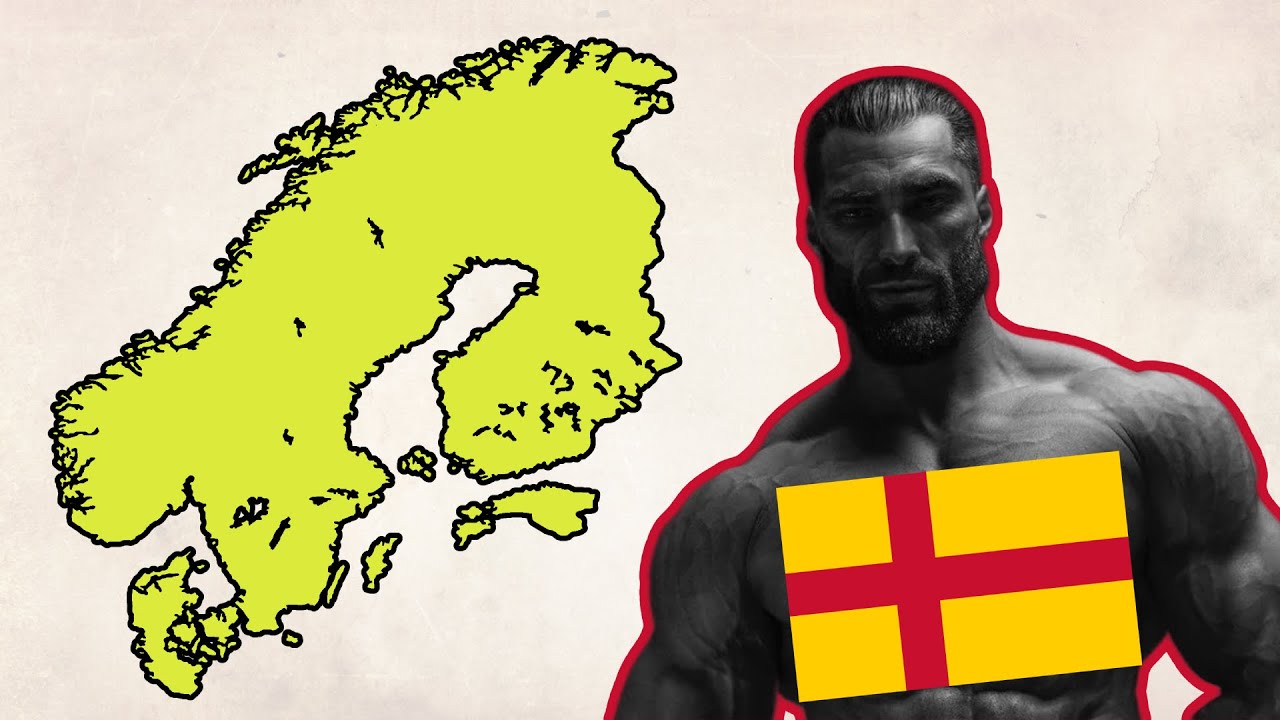
The Kalmar Union; When The Nordics United
Автор: Polish Dane
Загружено: 2024-05-19
Просмотров: 5234
Описание:
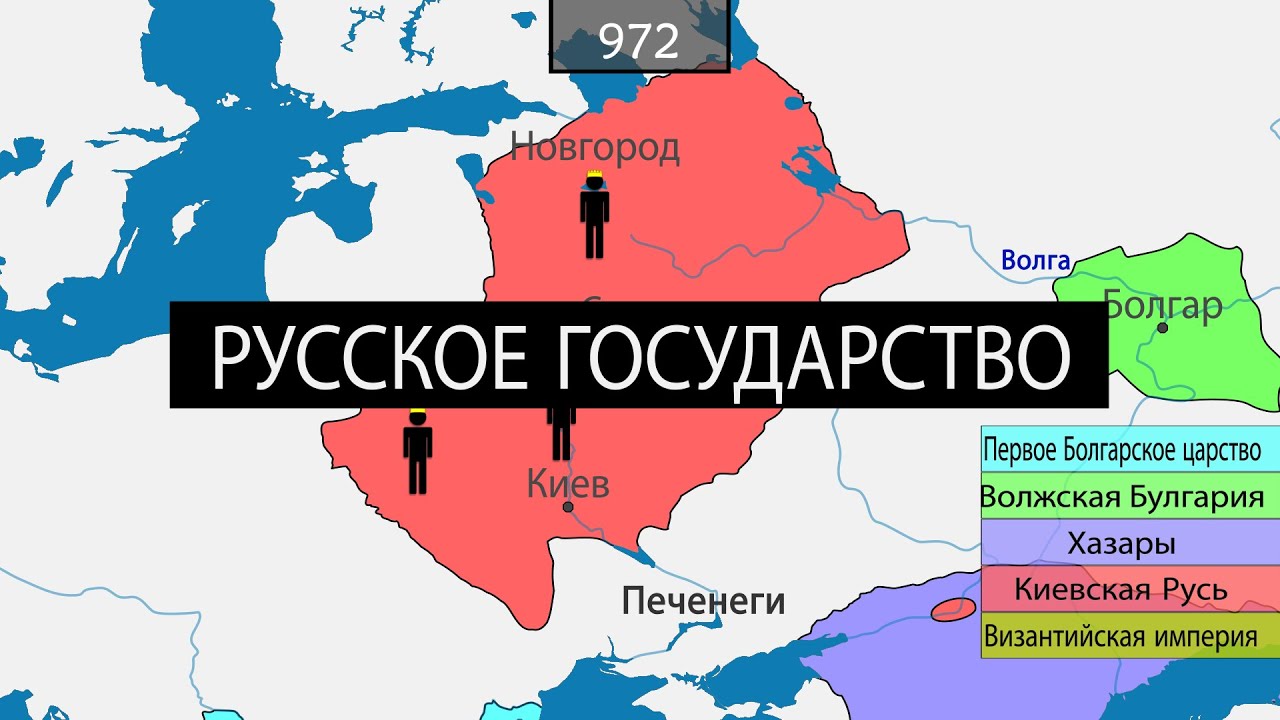
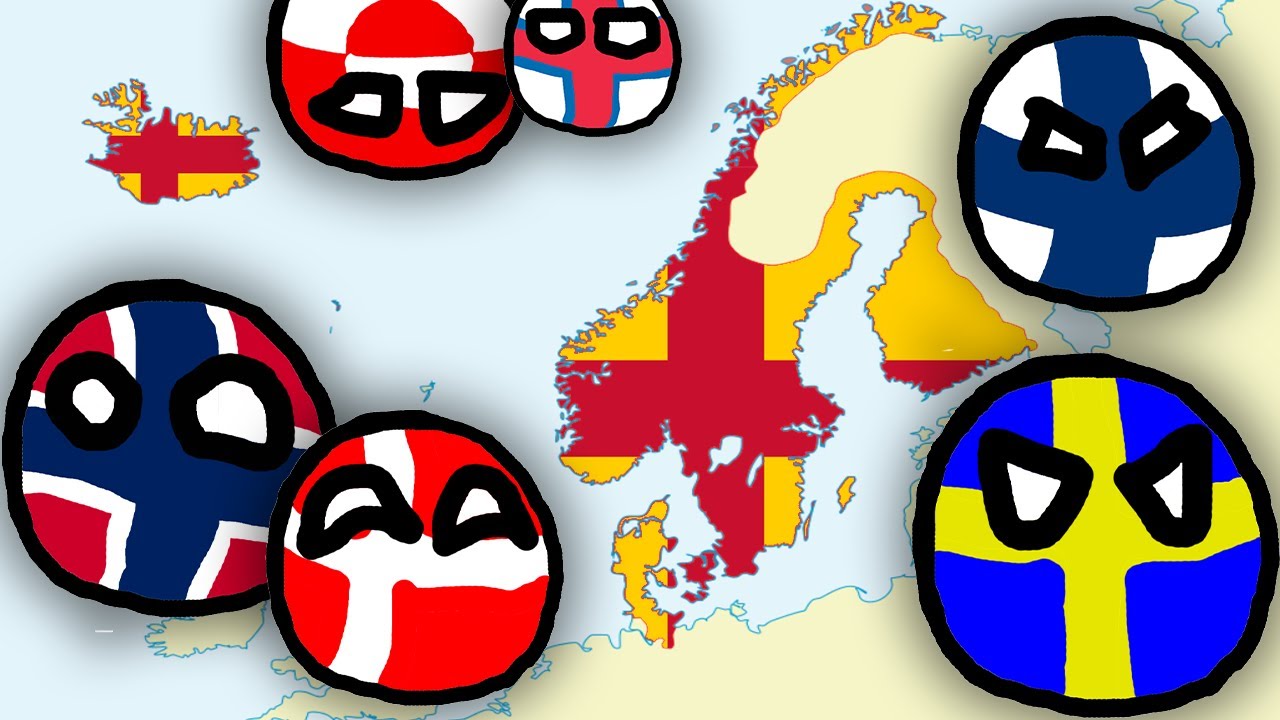
Welcome to our deep dive into the Kalmar Union, the fascinating medieval alliance that united Denmark, Norway, and Sweden under a single monarch from 1397 to 1523. In this video, we explore the rich history, key figures, and significant events that shaped this significant period in Scandinavian history. Discover how the Kalmar Union emerged in response to the political and economic threats from the Hanseatic League and the Teutonic Knights, aiming to consolidate power and secure control over the Baltic Sea.
We begin by examining the religious symbolism and the decline of Viking culture, which paved the way for the rise of Christianity, specifically Catholicism, in Northern Europe. This shift in religious and cultural identity set the stage for the formation of the Kalmar Union, representing a new era for the Nordic countries. The role of Queen Margaret I is crucial to this story. Known for her exceptional leadership, she united Denmark, Norway, and Sweden under her rule, adopting Eric of Pomerania to ensure the continuity of the union.
Eric of Pomerania, originally named Bogusław, became the first leader of the Kalmar Union after Queen Margaret’s death. His story is a compelling one, marked by his name change and the challenges he faced as a non-Scandinavian ruler. Despite his efforts, the early years of the union were fraught with instability, highlighted by the Engelbrekt Rebellion of 1430, which led to Eric’s eventual downfall and turn to piracy.
The Kalmar Union's formation was formalized through the Treaty of Kalmar, signed at Kalmar Castle in southern Sweden. This treaty not only symbolized the political unity of the Scandinavian countries but also delineated the borders and territories involved. However, the union notably excluded the Sami people, indigenous to the northern regions of Scandinavia, reflecting the complex and often contentious relationships between different cultural and ethnic groups within the union.
One of the union's significant challenges was maintaining cultural and linguistic diversity while striving for political and economic cohesion. Each kingdom retained substantial legal and administrative autonomy, which often led to conflicts and inefficiencies. The de facto capital of the union was Copenhagen, reflecting Denmark’s dominant role, but this centralization also bred resentment and rivalry, particularly with Sweden.
The Kalmar Union's elective monarchy system was another source of tension. While it allowed for a degree of democratic choice, it also made the union vulnerable to corruption and political strife. The constant struggle between the monarchy and the aristocracy further destabilized the union, raising questions about the balance of power and the extent of unification desired by each member state.
Economically, the union aimed to counter the Hanseatic League's influence and streamline trade policies across Denmark, Norway, and Sweden. This effort brought about significant economic benefits, fostering a diverse and interdependent market within the union. The Catholic Church played a vital role during this period, its influence peaking during the Middle Ages. However, the onset of the Reformation, led by Martin Luther, brought new religious dynamics that indirectly contributed to the union's collapse.
The Stockholm Bloodbath of 1520 was a critical event leading to the union's dissolution, as pro-union forces executed anti-unionists, primarily Swedish nobles. This brutal crackdown intensified anti-Danish sentiment and spurred the rise of Gustav Vasa, who led Sweden to independence in 1523. The post-union period was marked by ongoing conflicts between Denmark and Sweden, with Norway caught in the middle until it gained independence from Denmark in 1814.
#KalmarUnion
Socials:
Discord: / discord
Reddit: / polishdane
Twitter/X: https://x.com/PolishDaneYT
Instagram: / polishdaneyt
Facebook: / polishdane
YouTube: / @polishdane
Timestamps:
0:00 - Intro
2:34 - Context of the Kalmar Union Formation
3:32 - Queen Margaret I and Eric of Pomerania
5:48 - Kalmar Union and Historical Borders
7:58 - Differences of the Members
9:29 - Internal Politics
12:01 - Collapse of the Union
13:42 - Post-Kalmar Scandinavia
15:10 - Autro
Sources:
• The Unexpected Polish-Swedish Union
https://en.wikipedia.org/wiki/Kalmar_...
Повторяем попытку...
Доступные форматы для скачивания:
Скачать видео
-
Информация по загрузке: