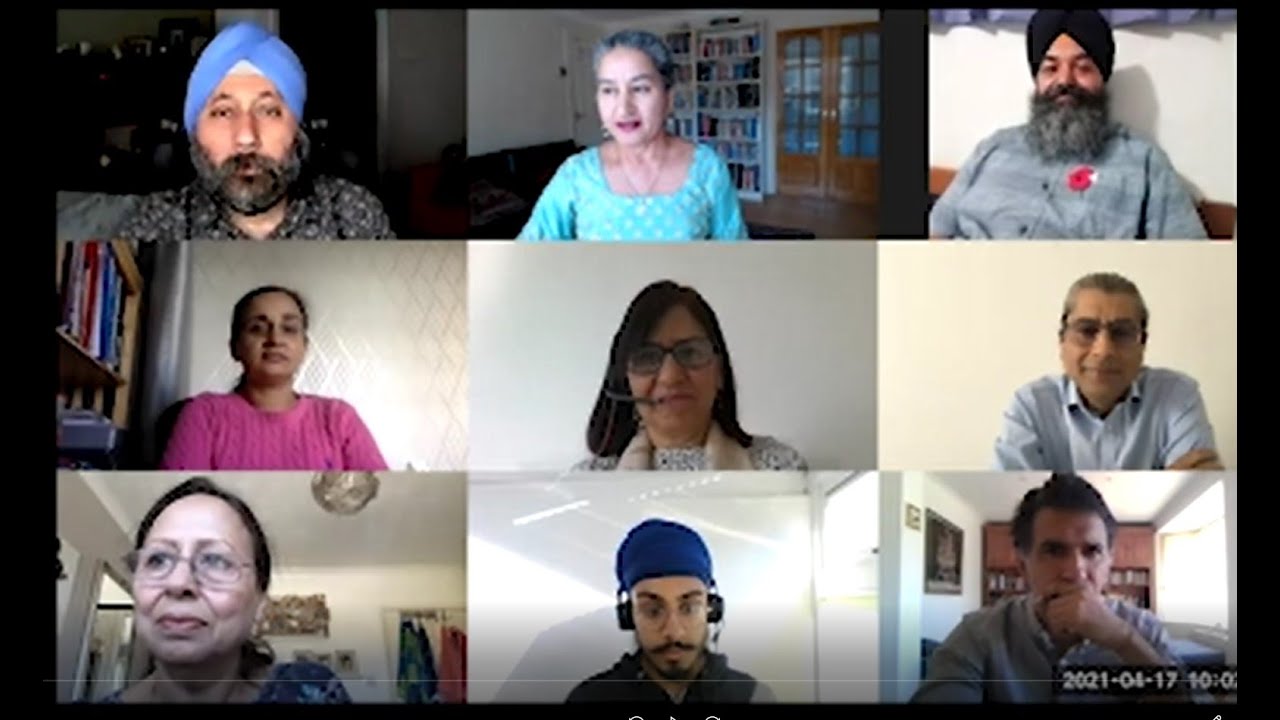
Learn To Lead based on Sikh Values & Principles (Discussion 2)
Автор: Dr Jesvir Kaur Mahil
Загружено: 2021-04-17
Просмотров: 205
Описание:
How do Sikh stories, symbols and values influence our professional leadership styles?
Some of the questions raised in this discussion:
1. What are the ancestral stories we carry in our DNA?
2. How can we create a stronger presence as Sikhs, in an international context?
3. How may the concept of Miri Piri be misunderstood in a Western context?
4. How could we be more effective in our political decision making?
5. In what way is the concept of langar a political statement?
6. What organisational, communication and leadership skills do Sikhs need to develop a greater level of maturity in?
7. How does our level of education influence the way we deal with disagreements and conflict of interests?
8. How different is the leadership style of the younger generation compared with the elders?
9. Why are we much better at being generous, altruistic Good Neighbours than Rulers with the capacity to bring people together?
10. How can we harness the power of our ‘ankh’ to do good?
11. How can we avoid becoming polarised and synthesise a balanced concept of MiriPiri in our everyday lives?
12. How did the Gurus make political statements through their behaviour, for example riding on horses and providing water for all?
13. How did Bhagat Singh Shaheed attempt to fight for the independence and freedom of all colonised communities in India rather than just the Panjabi Sikhs?
14. How do we undermine our own community?
15. How important is it for Sikhs to identify ethnically as ‘Sikhs’?
16. What is the significance of the Panjabi farmer’s protest to Sikhs living internationally?
17. Why are there so few female leaders such as Mata Sahib Devan (Mata Sahib Kaur)?
18. What is the difference between an election and selection model for choosing our religious leaders?
19. What can Gurdwaras do to be much more inclusive in meeting the needs and expectations of Sikhs living in Western countries?
20. How prepared are the younger generation of Sikhs in stepping up to take leadership, especially during times of crisis such as the pandemic?
21. How can the elder Sikhs train the younger generation to develop leadership skills?
22. What reputational damage is caused by internal political stress and strife at gurdwaras?
23. How important is it for leaders to be articulate in communication skills?
24. What criteria do we need to consider, to celebrate best practice in Gurdwaras?
25. What are the shared interpretations of Sikh symbols such as kara, kacha, kirpan, kesh and kanga?
26. Why are creative careers less popular in the Sikh community?
27. What are creative Sikhs doing to generate cultural capital and creative communities?
28. What can Gurdwaras do to create structures to support creativity, leadership and empowerment of its local Sikh community?
29. How different are the leadership styles of Sikhs established in the USA compared with those who are settled in the UK?
30. How can we maximise inter-generational collaboration, for example older farmers being supported by younger Sikhs with social media skills, to identify and generate useful community projects?
31. How can we support each other through mentoring and coaching in the spirit of sewa?
32. How can we learn to listen to each other with maturity and humility?
33. What is our long-term vision for our gurdwaras as a cultural legacy?
34. How can we learn to adopt a mindset of resilience, creativity and growth through learning?
35. How can you exert a positive influence on others through your daily activities?
Dr Jesvir Mahil in conversation with Kamaljit Kaur Ragha; Rajnarind Kaur; Arvinder Singh Paul; Ranjit Seehra; Taran Singh; Manmeet Kalra; Surinder Singh;
Повторяем попытку...

Доступные форматы для скачивания:
Скачать видео
-
Информация по загрузке: