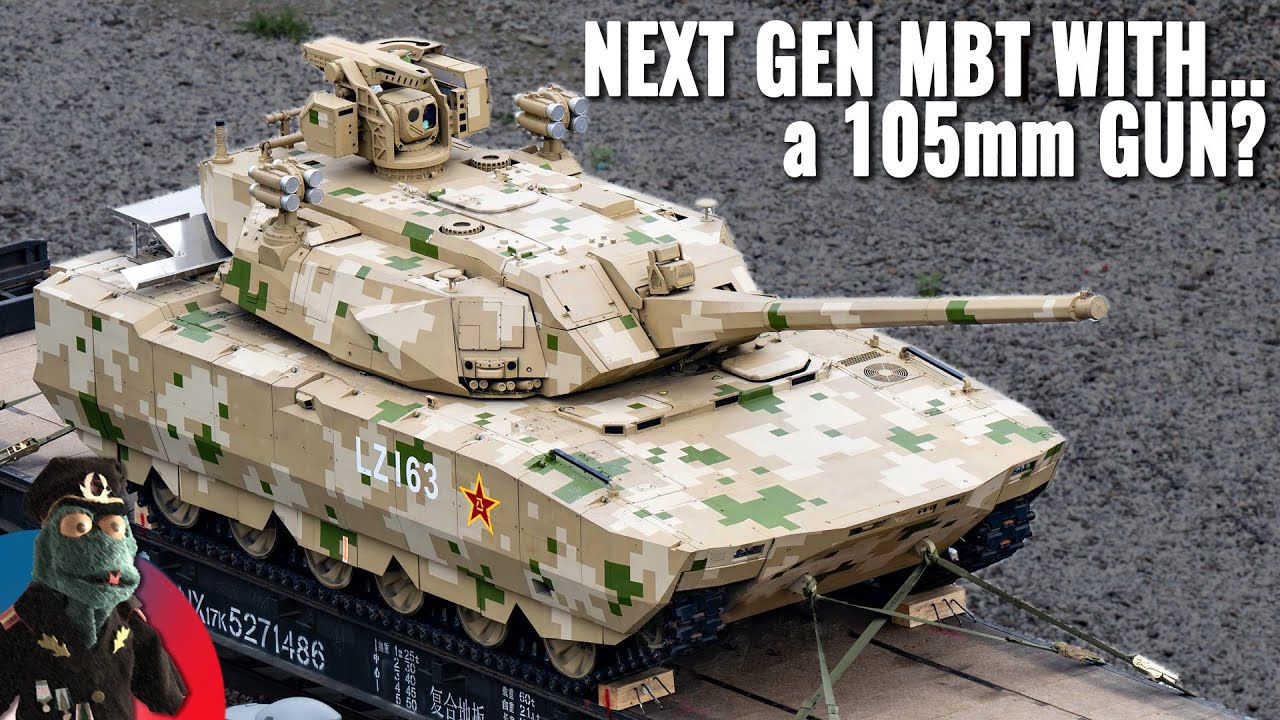
Revealing the Hidden Champions of China's Military Industrial Complex Behind the September 3rd Parad
Автор: Tech Teller
Загружено: 2025-09-07
Просмотров: 1778
Описание:
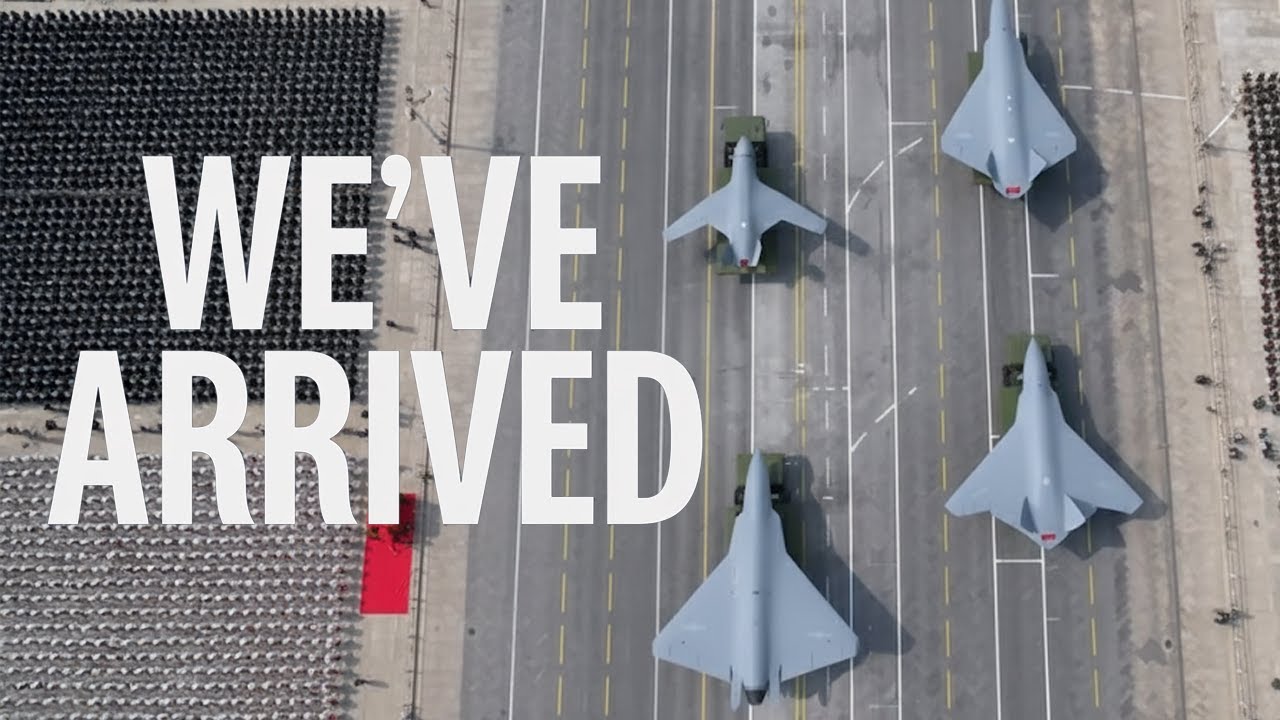
On September 3, 2025, as a formation of J-20 stealth fighters streaked across the sky above Tiananmen Square and the awe-inspiring DF-61 intercontinental missile phalanx made its debut, global attention was fixed on the dazzling statistic of a “99% localization rate.” But few people know that these "heavy-duty state assets" that make the West tremble actually rely on precision bearings from a small European country with a population of less than 8 million—Switzerland—and micro-sensors produced by a Japanese semiconductor company with only 300 employees. Even more shocking is that these crucial, "screw-level" components can boost the performance of the entire piece of equipment by more than 30%!
This is not a simple "chokehold," but a precise technological game. Take the guidance system of the DF missile, for example: its core laser gyroscope requires bearing support with an accuracy of 0.0001 degrees per hour. While domestic bearings can meet basic requirements, their error can increase tenfold under extreme temperature differences (-50°C to 120°C). The Swiss company SKF's aerospace-grade bearings have solved this problem through nanocoating technology. This is similar to bicycles: a regular chain can only go 10 kilometers, while a titanium alloy chain can go 100 kilometers. The difference isn't in "having it," but in "how precise it is."
Even more eye-opening is that these technological collaborations are not "given freely." In 2018, China Aerospace Science and Industry Corporation (CASIC) reached an agreement with Japan's Hamamatsu Photonics: China would use its rare-earth permanent magnet material supply as leverage to obtain core patent authorizations for the company's micro-sensors. This strategy of "exchanging resources for technology" allowed the Japanese company to secure a stable supply of raw materials while helping China's military-industrial enterprises overcome a technical bottleneck. Today, the localization rate of Hamamatsu Photonics' sensors has increased to 70%, but key processes still require technical support from the Japanese side. This is the reality of the global industrial chain, where "you are in me, and I am in you."
Next, we will look beyond the facade of a "99% localization rate" and reveal this war without smoke from three dimensions: How have Western countries built barriers using technical standards? How is China finding "breakthroughs" in the face of this blockade? And what kind of global game is hidden behind these invisible champions?
I. The "Triple Shackles" of Western Technological Hegemony
The global supply chain for the US F-35 fighter jet involves 4,500 suppliers from 17 countries, but all core software code and engine design drawings are exclusively controlled by Lockheed Martin. Even more ruthless is that 90% of the global production capacity for the silicon carbide power devices it uses is concentrated in the hands of three US companies, including Cree. This means that even allies must obey the US if they want to upgrade their equipment.
Повторяем попытку...
Доступные форматы для скачивания:
Скачать видео
-
Информация по загрузке: