The Ancient Igoudar: Morocco's Communal Banking Marvel Fortresses of Wealth: The Untold Story
Автор: The Marijuana Garden
Загружено: 2025-04-29
Просмотров: 209
Описание:
#Igoudar
#MoroccanHistory
#AncientBanking
#BerberCulture
#CollectiveWealth
#UNESCOHeritage
#SustainableLiving
#DesertArchitecture
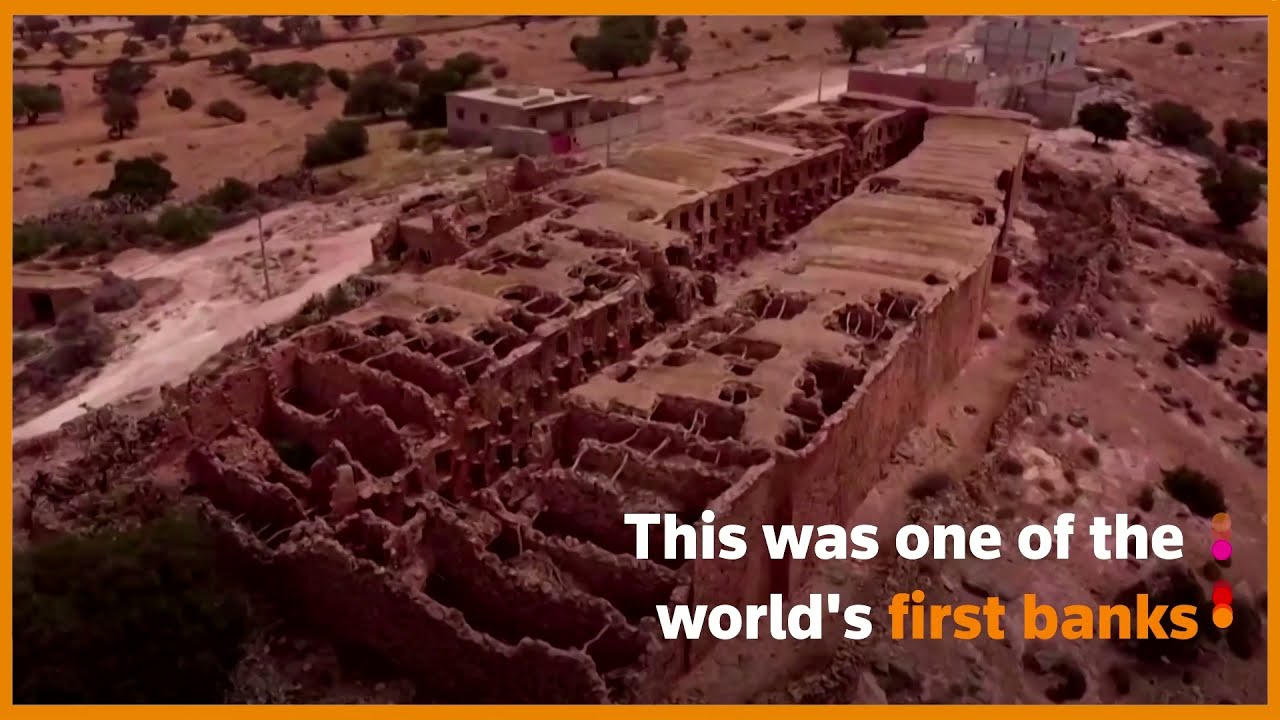
Discover the captivating world of **Igoudar**, the ancient communal banking marvels of Morocco. In this video, we delve into the rich history, architectural brilliance, and cultural significance of these remarkable structures that have served Amazigh communities for centuries. From their fortified designs to the unique banking system based on trust and cooperation, Igoudar exemplify a sustainable approach to resource management.
Join us as we explore their origins, social roles, and modern-day legacy, including UNESCO's efforts for preservation. Did you know some Igoudar still function today? Don’t miss this fascinating journey into Morocco's heritage! If you enjoy this deep dive, like and share with friends!
#Igoudar #Amazigh #Morocco #CulturalHeritage #AncientBanking #UNESCO
The *Igoudar* (singular: *Agadir*) are indeed a remarkable testament to the ingenuity of Amazigh (Berber) communities in Morocco, serving as one of the world’s oldest known communal banking and storage systems. Here’s a deeper look at their significance and functioning:
*1. Origins & Historical Context*
*Ancient Roots:* While some Igoudar date back to the 13th century CE, their origins may be even older, possibly linked to early Amazigh agricultural and trade practices.
*Cultural Importance:* They reflect the Amazigh values of communal cooperation (*Tiwizi*), trust, and collective resource management.
*2. Architectural & Security Features*
*Fortified Design:* Built with high walls, labyrinthine entrances, and heavy wooden doors secured with complex locks to deter raids.
*Strategic Locations:* Positioned on hilltops or cliffs for defense and visibility, often near trade routes.
*Watchtowers & Guardians:* Some had caretakers (*Amīn*) who oversaw deposits and mediated disputes.
*3. How the "Banking" System Worked*
*Deposits & Withdrawals:* Families stored surplus grain, olive oil, jewelry, and important documents in locked compartments (*lḥanout*).
*Record-Keeping:* Transactions were tracked via oral agreements, notches on wood, or symbolic markers, relying on communal trust.
*Loans & Trade:* Surplus grain could be "borrowed" in lean years, with repayment in kind (similar to a credit system).
*4. Social & Political Role*
*Community Governance:* Elders gathered in Igoudar to settle disputes, make laws (*Azref*), and plan collective projects.
*Cultural Hub:* Some housed religious spaces or served as shelters during conflicts.
*5. Modern-Day Legacy*
*UNESCO Recognition:* Efforts are underway to preserve Igoudar as part of Morocco’s cultural heritage.
*Living History:* A few still operate in remote villages, though modern banking has largely replaced their economic role.
*Comparison to Other Ancient Systems*
Unlike Mesopotamia’s clay-tablet banking or medieval European grain stores, Igoudar were uniquely communal, non-hierarchical, and integrated into Amazigh social structure.
The Igoudar stand as a fascinating example of how pre-modern societies developed sustainable financial systems long before formal banks existed. Would you like details on specific Igoudar still visitable in Morocco?
Повторяем попытку...

Доступные форматы для скачивания:
Скачать видео
-
Информация по загрузке: