White Star Trio: Olympic's Success, Titanic's Tragedy, Britannic's War Loss
Автор: What Happen?
Загружено: 2024-09-24
Просмотров: 89829
Описание:
White Star's Trio: Olympic's Success, Titanic's Tragedy, Britannic's War Loss
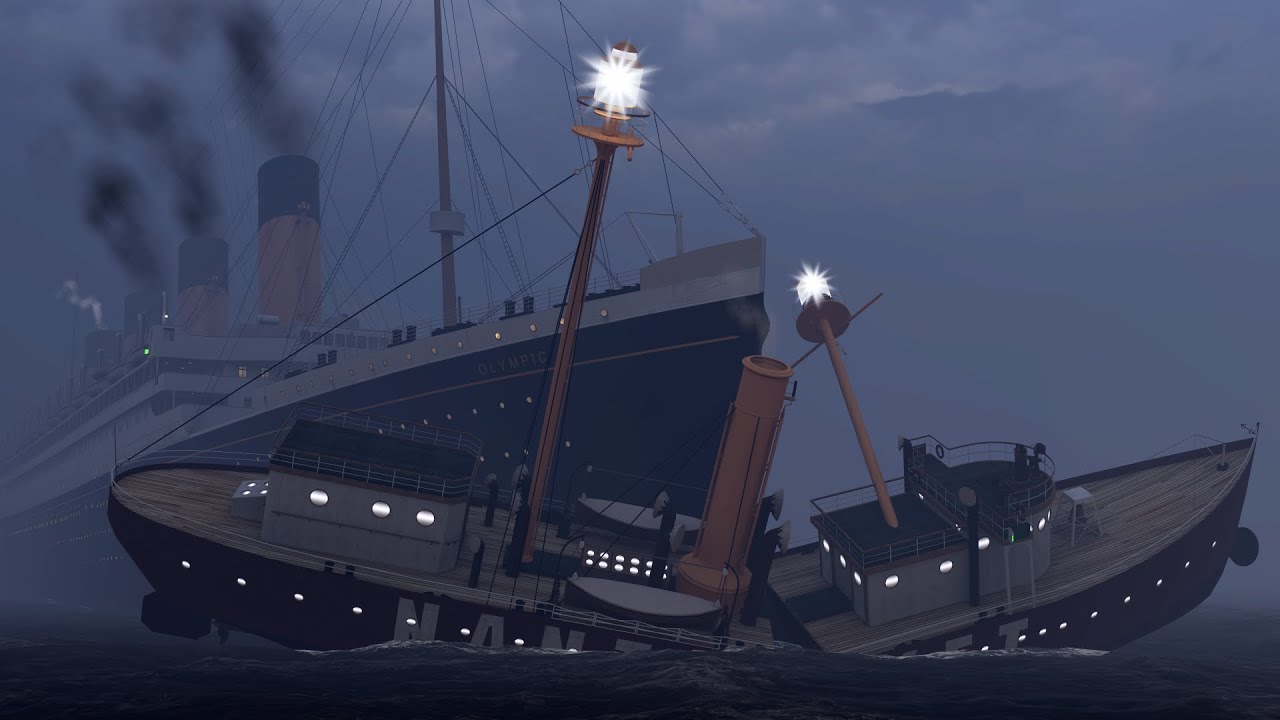
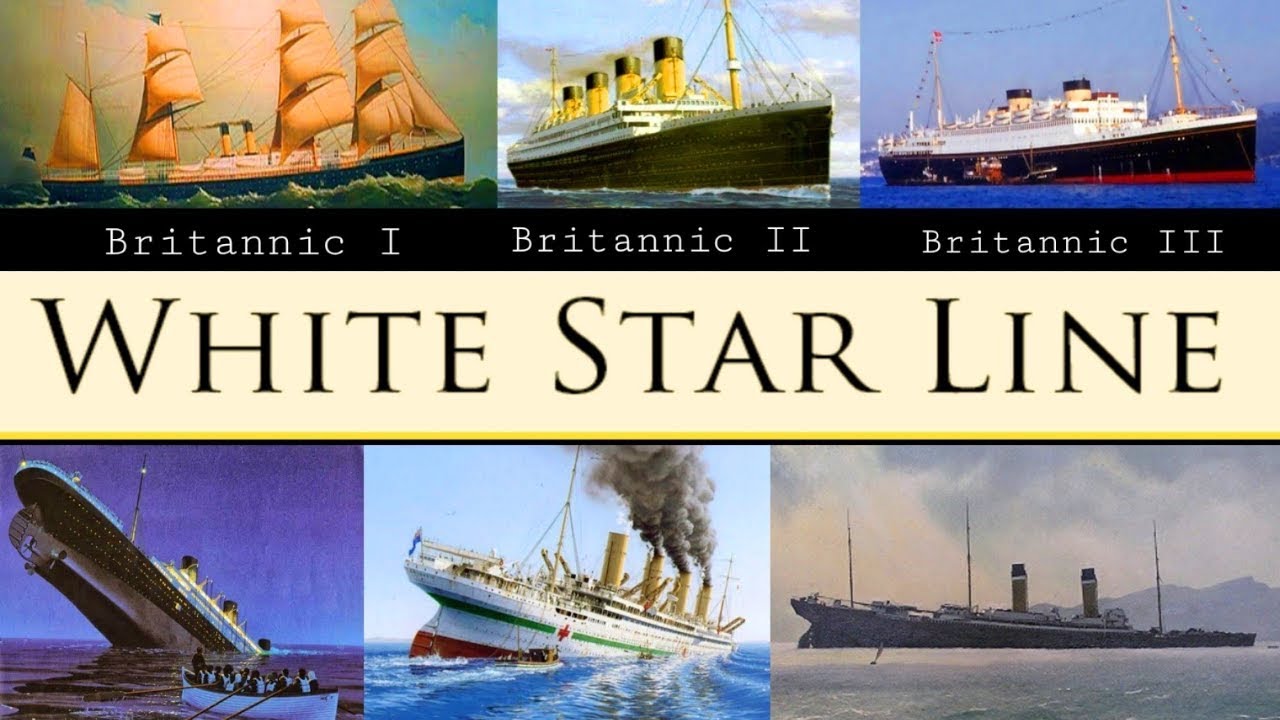
RMS Olympic, RMS Titanic, and HMHS Britannic—were designed to be the largest and most luxurious ships in the world, but their fates could not have been more different. Built by Harland and Wolff in Belfast, these massive ocean liners were part of White Star Line’s ambition to dominate the transatlantic passenger market. The first of the trio, RMS Olympic, was launched in 1910 and enjoyed a long and successful career. Known as the "Old Reliable," Olympic was the only ship of the trio to have a peaceful and prosperous career. It served as a passenger liner and troopship during World War I, earning a reputation for its reliability. Olympic even managed to sink a German U-boat, U-103, making it the only civilian ship to have such a distinction. After the war, Olympic returned to transatlantic service and continued operating until 1935, when it was retired and eventually scrapped in 1937. Olympic's success contrasted sharply with the tragic fate of its sister ships.
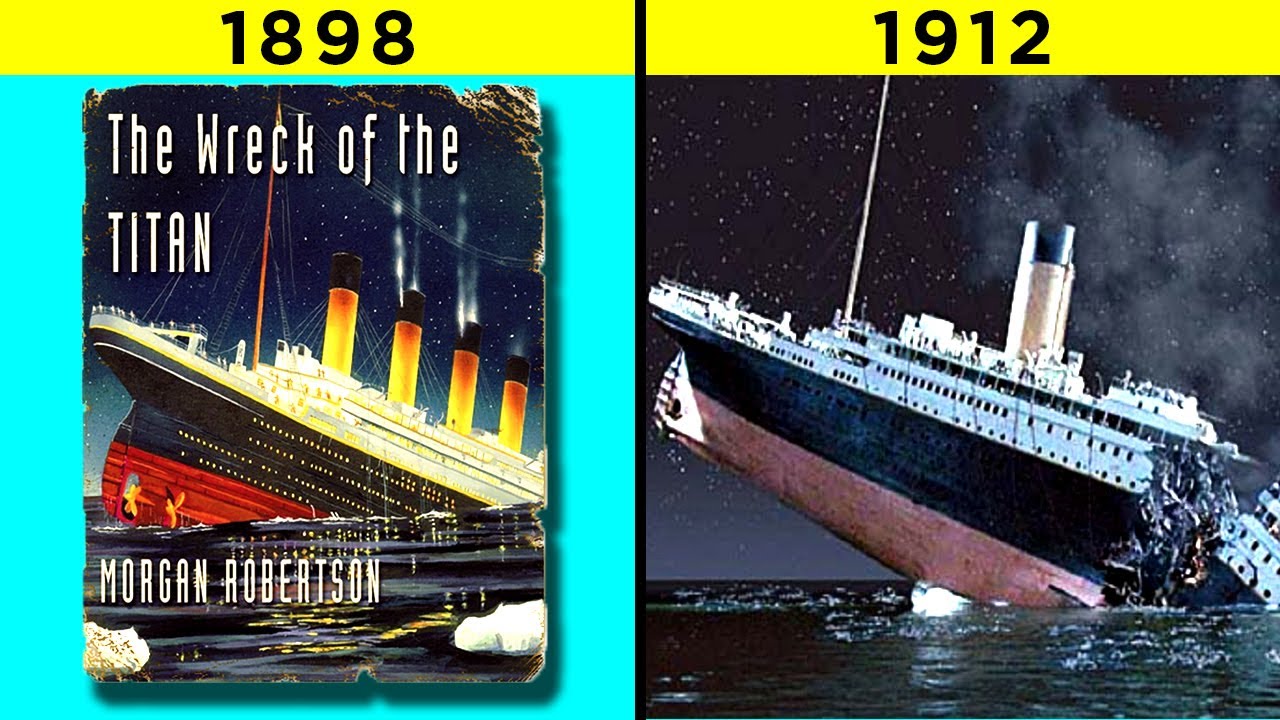
The most infamous of the trio, RMS Titanic, was launched in 1912 and was heralded as "unsinkable" due to its advanced engineering. However, during its maiden voyage in April 1912, Titanic struck an iceberg in the North Atlantic and sank, leading to the deaths of over 1,500 passengers and crew. The disaster shocked the world and exposed serious flaws in safety regulations, such as the insufficient number of lifeboats on board. Titanic’s sinking became one of the most well-known maritime disasters in history, forever overshadowing the legacy of the White Star Line and cementing Titanic as a symbol of both human ambition and vulnerability.
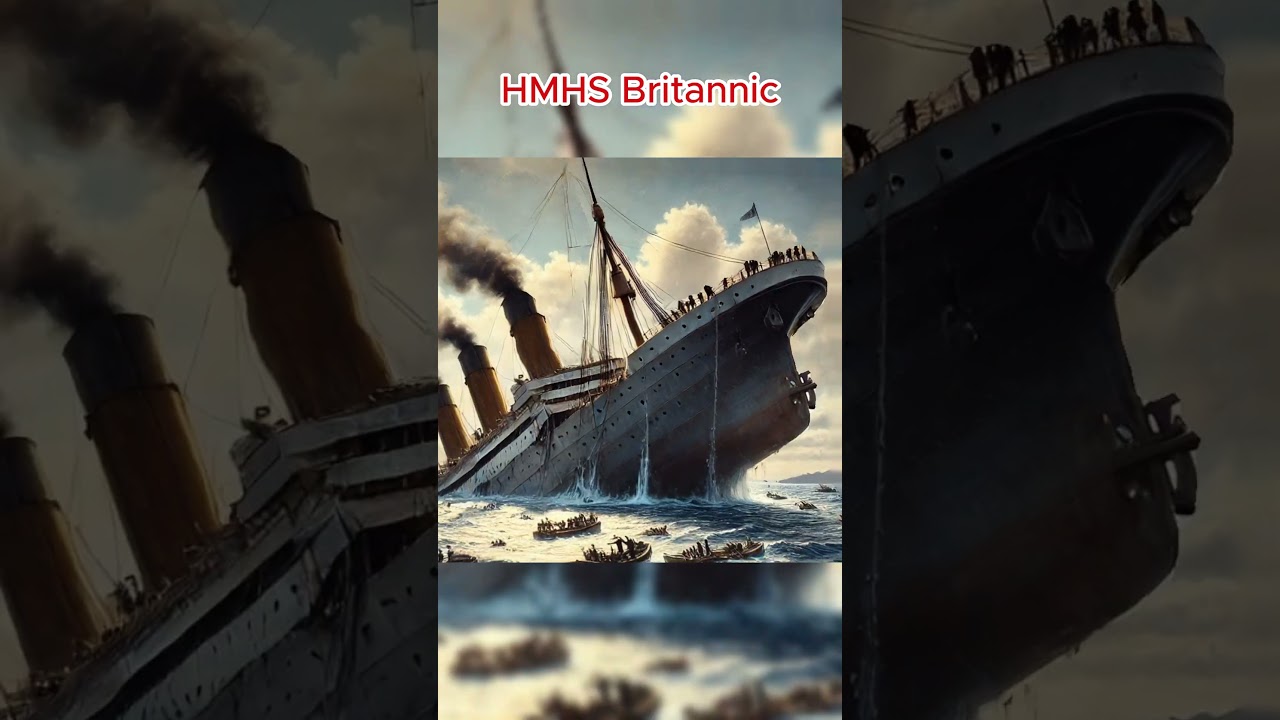
The third and final ship, HMHS Britannic, had an equally dramatic, though lesser-known fate. Launched in 1914, Britannic was meant to be a luxury ocean liner like its sisters but was converted into a hospital ship during World War I, where it served under the name His Majesty's Hospital Ship (HMHS) Britannic. While sailing through the Aegean Sea in 1916, Britannic struck a mine and sank in less than an hour. Although 30 people lost their lives, the majority of passengers and crew survived, a stark contrast to the Titanic disaster. Despite its brief career, Britannic became the largest ship lost during World War I, marking the tragic end of the White Star Line’s trio.
Together, the Olympic-class ships represented both the peak of early 20th-century maritime engineering and the unpredictable dangers of the seas. Olympic survived and thrived, Titanic became synonymous with disaster, and Britannic met a wartime fate, each ship contributing to the enduring legacy of the White Star Line. These ships’ stories are a reminder of the grandeur and fragility of early ocean travel, with their legacies still captivating historians and enthusiasts alike.
Повторяем попытку...
Доступные форматы для скачивания:
Скачать видео
-
Информация по загрузке: