PT Slab Process 3D animation | Rebar 360
Автор: Rebar 360
Загружено: 2023-06-17
Просмотров: 2016
Описание:
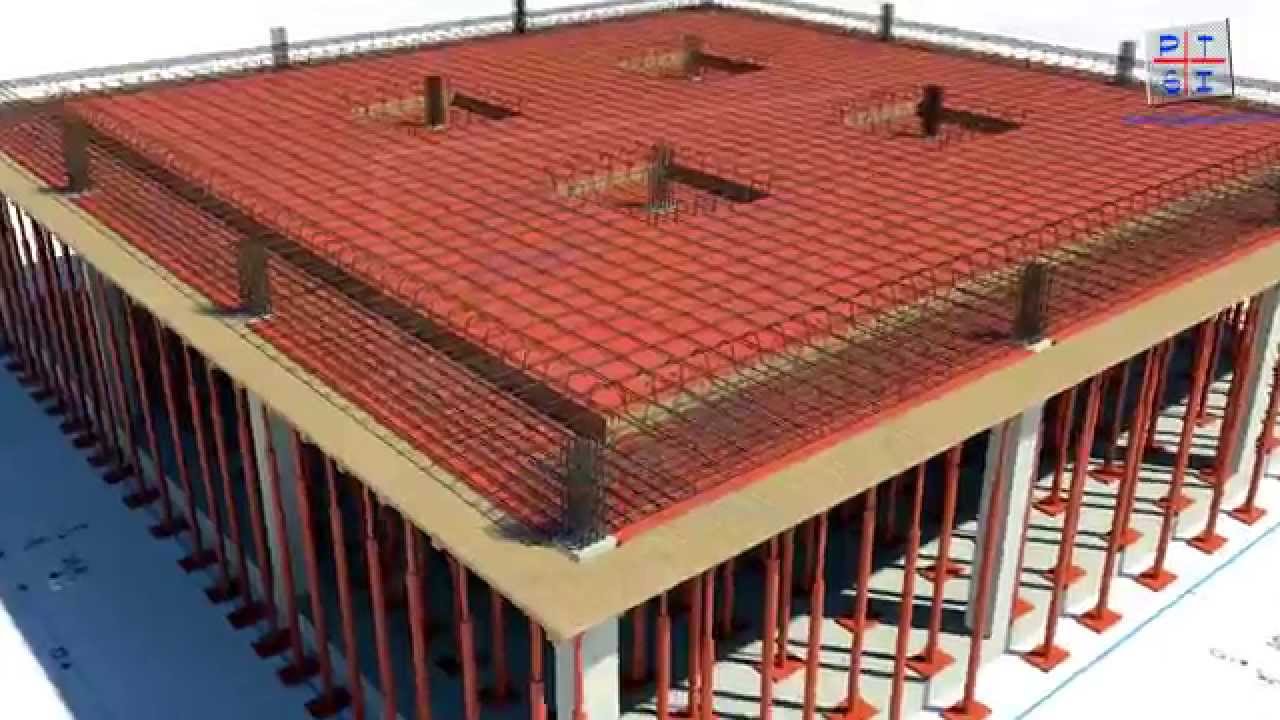
A post-tensioned (PT) slab, also known as a post-tensioned concrete slab, is a type of concrete floor or slab that is reinforced with high-strength steel tendons. The technique of post-tensioning involves tensioning the steel tendons after the concrete has been cast and cured.
Here's how a post-tensioned slab is constructed:
Formwork: The formwork is set up to define the shape and dimensions of the slab.
Steel tendons: High-strength steel tendons, typically made of individual strands or bars, are positioned within the formwork in a predetermined pattern. These tendons run in both the longitudinal and transverse directions of the slab.
Pouring concrete: Concrete is poured into the formwork, encapsulating the steel tendons. The concrete is allowed to cure and gain sufficient strength.
Tensioning: Once the concrete has achieved adequate strength, the steel tendons are tensioned. This process involves applying a significant force to the tendons, typically using hydraulic jacks, which elongates and stresses the steel.
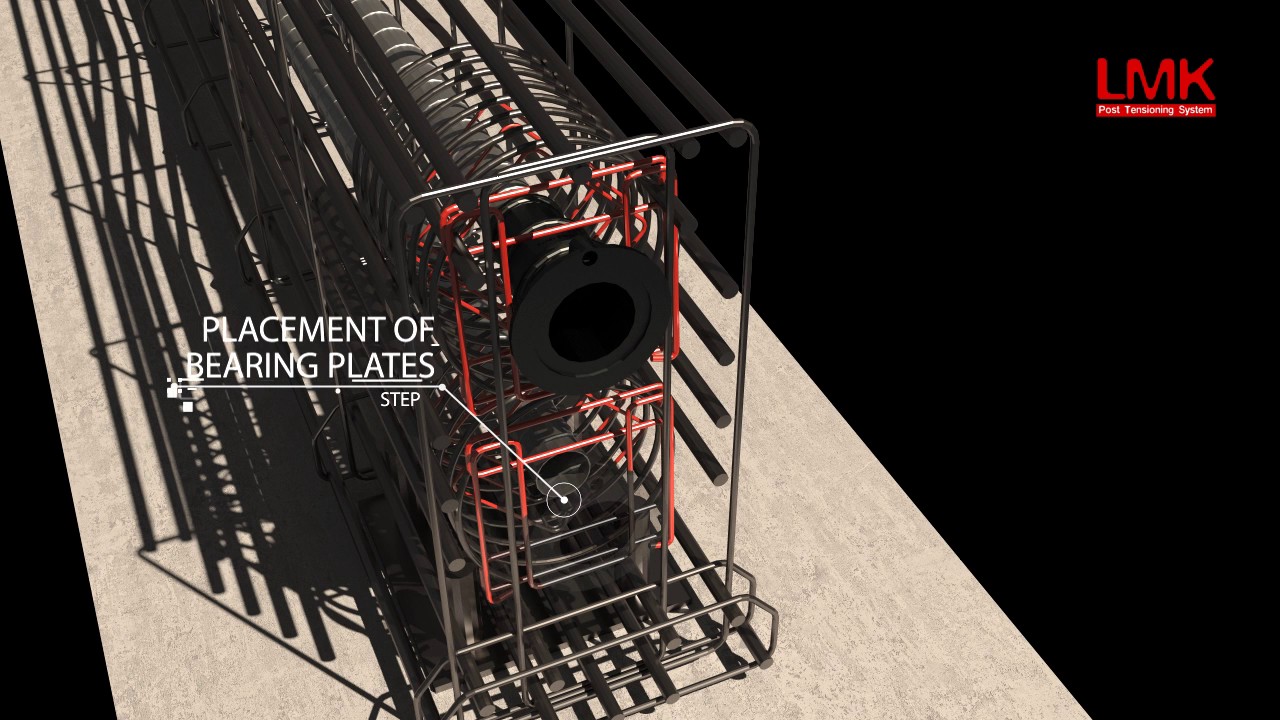
Anchoring: Once the tendons are tensioned, they are anchored to the concrete. Specialized anchorages or wedges are used to secure the tendons in place, transferring the tension force to the concrete.
The purpose of post-tensioning is to introduce compressive forces into the concrete, effectively counteracting the tensile forces that the slab would experience during its service life. This technique enhances the structural performance of the slab, allowing for larger spans, thinner sections, and reduced cracking compared to conventionally reinforced concrete slabs.
Post-tensioned slabs are commonly used in various structures, including bridges, parking garages, high-rise buildings, and industrial facilities, where the ability to span longer distances or support heavier loads is required.
Please subscribe our channel to get videos continuously.
Other videos
• 1.2 Material Grades | US | Rebar Detailing...
• Lap Parameters & Location | US | Rebar Det...
• 1.5 Concrete cover | US | Rebar Detailing ...
• Lap Parameters | US | Rebar Detailing | Re...
• Lap Parameters | US | Rebar Detailing | Re...
Part-1 Detailing Basics video links are given below,
Chapter 1.1: Units | • 1.1 Units | US | Rebar Detailing Training ...
Chapter 1.2: Material Grades | • 1.2 Material Grades | US | Rebar Detailing...
Chapter 1.3: Bar details | • 1.3 Bar details | US | Rebar Detailing Tra...
Chapter 1.4: Lap and Development Length | • 1.4 Lap & Development length | US | Rebar ...
Chapter 1.5: Concrete Cover | • 1.5 Concrete cover | US | Rebar Detailing ...
Chapter 1.6: Rebar Objects | • 1.6 Rebar Objects | US | Rebar Detailing T...
Chapter 1.7: Bend Shapes | • 1.7 Bend Shapes | US | Rebar Detailing Tra...
Chapter 1.8: Drawing Scale | • 1.8 Scale | US | Rebar Detailing Training ...
Chapter 1.9: Detailing Output | • 1.9 Detailing output | US | Rebar Detailin...
Chapter 1.10: Bar Supports | • 1.10 Bar Support | US | Rebar Detailing Tr...
Chapter 1.11: Shop drawings | • 1.11 Shop drawings | US | Rebar Detailing ...
#rebardetailing #RebarDetailinginTamil #StructuralEngineering #CivilEngineering #RebarCAD #BBS #BarBendingSchedule #BarList #BarDia #BendCharts #BarSupports #ShopDrawings #RebarGrade #ConcreteGrade #ConcreteCover #DrawingScale #Lap #PTSlab #posttension #DevelopmentLength #LapSplice #columns #columndowels
Повторяем попытку...

Доступные форматы для скачивания:
Скачать видео
-
Информация по загрузке: