AGam in Kansas - Diagnosing a Neurologic Horse - July 20, 2017
Автор: Farming Unlimited TV
Загружено: 2017-07-21
Просмотров: 23
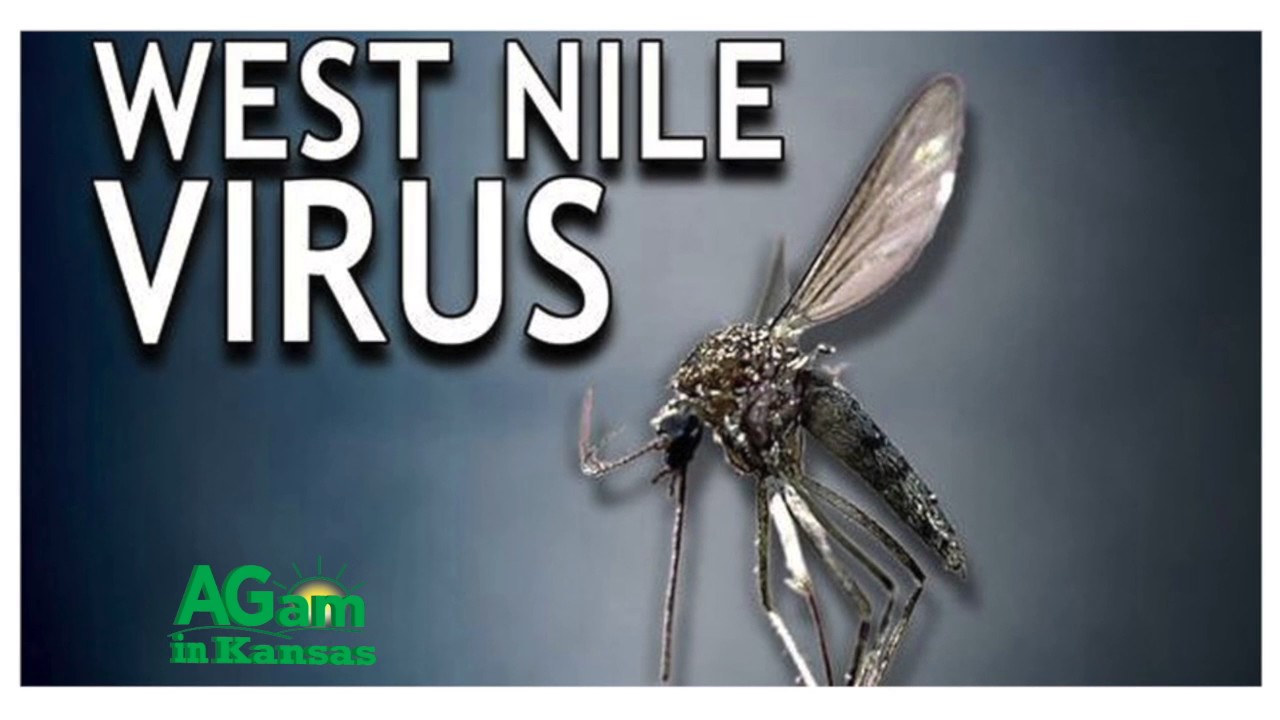
Описание: (Dr. Chris Blevins) Hello and welcome to Horsing Around. I'm Dr. Chris Blevins at Kansas State University Veterinary Health Center. Today joined by Dr. Katie Delf. (Dr. Katie Delf) Thanks for having me. (Dr. Chris) Thank you for being on the show. Dr. Katie Delf is an assistant clinical professor here at the vet school and is boarded and is a specialist in equine internal medicine. Dr. Delf works on a lot of the more complicated, potentially complicated issues that may be referred in or primarily seen here at the vet school even by the owner directly. (Dr. Katie) That's correct. (Dr. Chris) One of the things that maybe Dr. Delf may see is a horse that is neurologic. When you say a horse is neurologic what could that mean? Because some owners would be like, "I'd never seen a neurologic horse or why would I be concerned with neurologic?" What's a neurologic horse? (Dr. Katie) It can range from a variety of clinical signs that we see. Something as maybe innocuous sounding as your horse that's stumbling a little bit more when you're riding it to a horse that is down and can't get up. Again, it's kind of within that array and we hope that we find those horses before they get down and can't get up because that's definitely a more serious problem at that point. Some clinical signs may be that the horses, what we call a toxic or uncoordinated, so stumbling over their own limbs. Maybe to the point where you notice when they are at a stand still, that their legs are all pointing in different directions or they're dragging their feet or sometimes they can be really, really weak as well and have difficulty holding themselves up. (Dr. Chris) I think some of those things are even of a concern while an owner is riding too that maybe they're fairly settled, but they could be ataxic and to have a veterinarian involve to really check those things out. (Dr. Katie) Definitely, yes, because it can be dangerous to the person as well that's riding that horse if you don't quite know how severe their disease is. (Dr. Chris) Well, when you talk about neurologic horses, what can be some causes of a horse being neurologic? What can cause those things? (Dr. Katie) One thing we think about, especially in young horses, is what we call Cervical Stenotic Myelopathy or the lay term for that would be wobblers. There's some sort of compression of the spinal cord that's typically associated with development of that vertebral canal. Obviously, sometimes we know when something happened and some sort of traumatic injury or sometimes we may find the horse with the swollen neck, then we can pinpoint to that localization and find some sort of trauma or fracture in that area. Others could be some infectious diseases that we do vaccinate for. They're part of our core vaccine series, including West Nile Virus or Eastern Equine Encephalitis as well, so to a variety of potential causes. (Dr. Chris) Another one that sometimes owners forget about is rabies. Horses can get rabies. (Dr. Katie) They can, yes. (Dr. Chris) Those signs I think could be really all over the board as far as neurologic symptoms and having a veterinarian involved sooner than later can sure be helpful. (Dr. Katie) Definitely. (Dr. Chris) What kind of, just real quick, test that can be done? You talked about the Cervical Stenotic Myelopathy. What other type of test can we do? (Dr. Katie) We can do X-rays of the neck and we can even do those out on the farm. Sometimes it's easier to interpret those if there's a thicker neck crest, but definitely X-rays. We can also try to collect fluid from around the spinal cord, a cerebrospinal fluid tap, either under anesthesia or in the standing horse, and then do different tests on that fluid to try to rule it out or rule it in some of our differential diagnosis. (Dr. Chris) I think that, again, having your veterinarian involved, maybe even Dr. Delf if need to here at Kansas State to help with some of those things, it’s important to get your veterinarian involved. (Dr. Katie) Definitely. (Dr. Chris) Well, thank you, Dr. Delf. (Dr. Katie) Thank you. (Dr. Chris) Well, that is it for Horsing Around and we'll see you around.
Повторяем попытку...
Доступные форматы для скачивания:
Скачать видео
-
Информация по загрузке: