Early Pregnancy Symptoms || First Trimester Symptoms Pregnancy || Symptoms in the First 3 Months
Автор: Baby-Ann's Kitchen
Загружено: 2025-07-27
Просмотров: 1472
Описание:
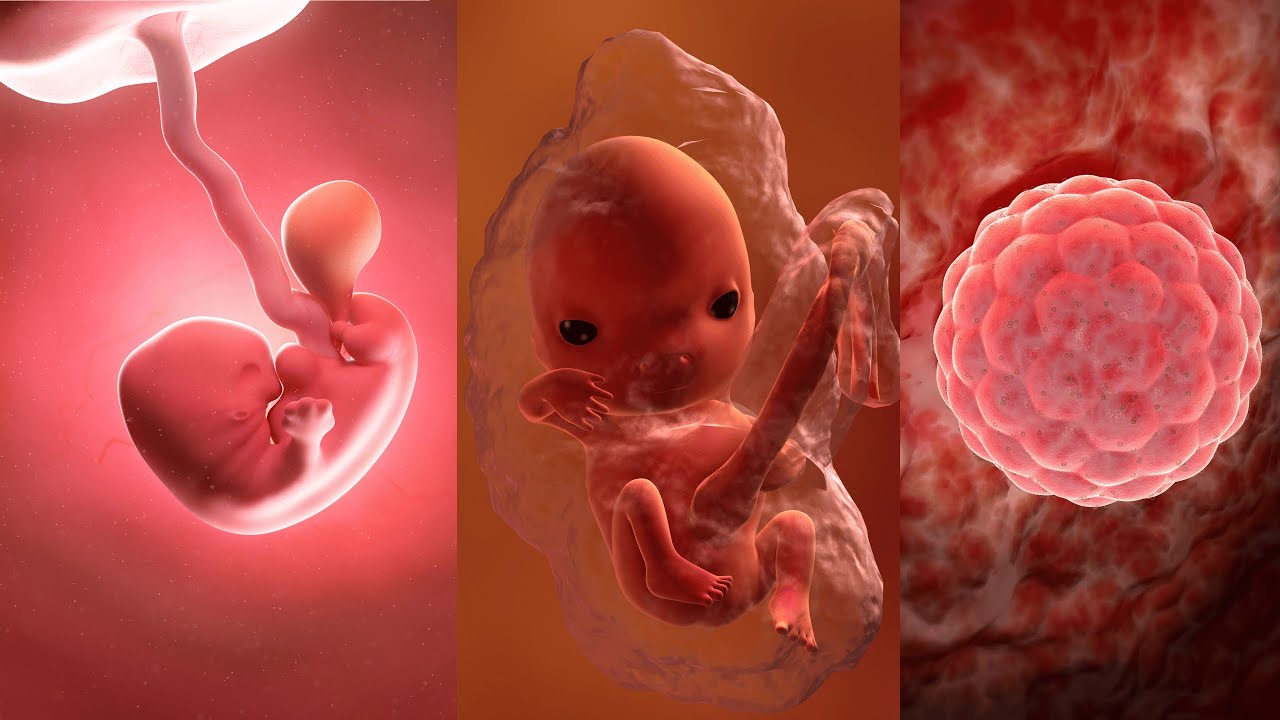
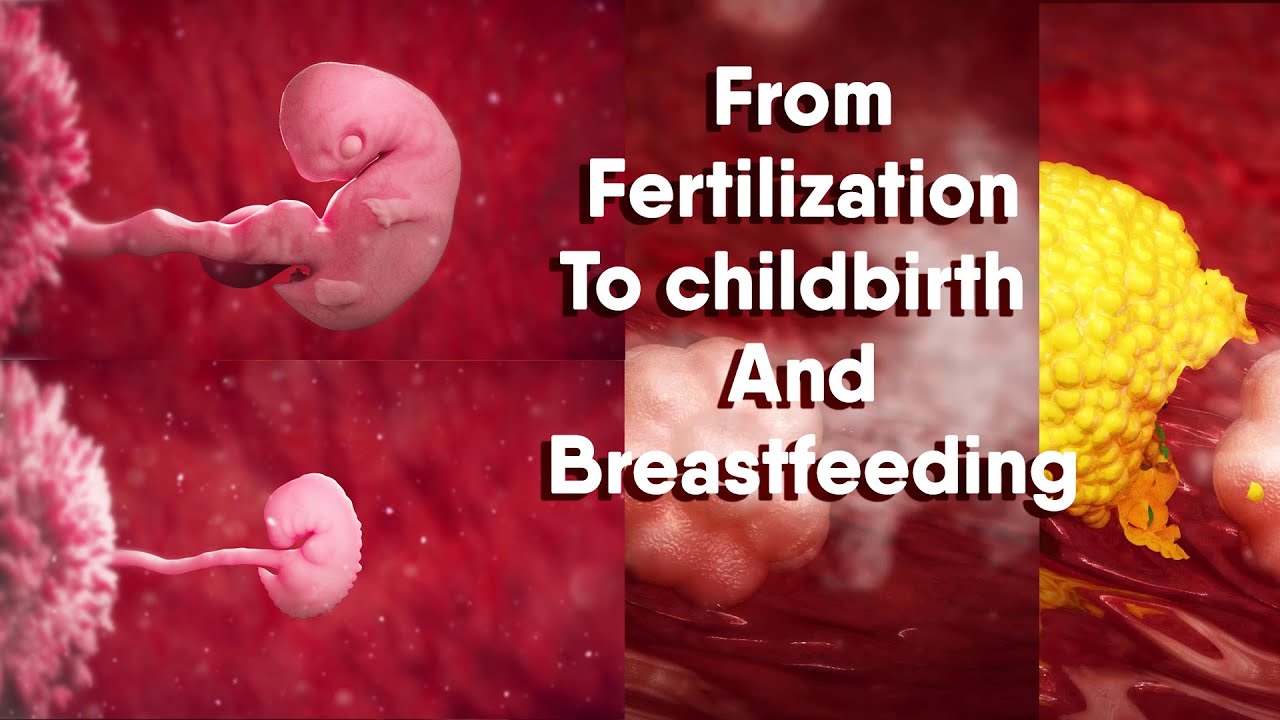
The first trimester of pregnancy—weeks 1 to 12—is like the opening chapter of a brand-new story. So much is happening behind the scenes. Your body is adjusting rapidly, hormones are shifting dramatically, and your baby is beginning its journey of growth and development. With all this change, it’s no surprise that your body starts sending signals, some more subtle than others, letting you know that something incredible is underway.
One of the earliest signs many women notice is a missed period. For some, that’s the first clue that prompts a pregnancy test. But even before that, there are often physical and emotional changes already taking place. Fatigue, for example, is one of the most common early signs. You might feel unusually tired, even if you’re getting plenty of rest. That’s your body’s way of adjusting to the surge in progesterone and the demands of creating a new life.
Nausea often kicks in around week six but can begin earlier. Commonly known as morning sickness, it can actually occur at any time of day. Some women experience mild queasiness, while others deal with more intense and frequent vomiting. It's not always pleasant, but it’s often a reassuring sign that your hormone levels are increasing appropriately to support your pregnancy. Eating small, frequent meals and staying hydrated can help manage it.
Another early sign that catches many off guard is breast tenderness. Your breasts may feel fuller, heavier, or more sensitive than usual. The veins might become more noticeable, and your nipples can darken. These changes are your body’s preparation for breastfeeding. While it can be uncomfortable, it’s a natural part of the journey.
You might also experience more frequent urination during this time. Your kidneys are working harder, and your growing uterus is beginning to press on your bladder. Don’t worry—this doesn’t mean anything is wrong. It's simply another way your body is adjusting to support your baby.
Mood swings are also a part of the first-trimester experience for many. Those fluctuating hormone levels can affect your emotional balance, making you feel joyful one moment and tearful the next. It’s okay to feel all the feelings—this is a big change, and your emotional responses are completely valid.
Some women notice changes in their sense of taste or smell. Foods you once loved might suddenly seem unappealing, while others become irresistible. Certain smells may become overwhelming or even nauseating. This heightened sensitivity is likely due to increased estrogen and is a quirky but normal aspect of early pregnancy.
Mild cramping and spotting can occur as well. Often, this is due to implantation—the process where the fertilized egg attaches to the lining of your uterus. It’s usually very light and short-lived. However, if it becomes heavy or painful, it’s always best to speak to your healthcare provider just to be sure everything is progressing normally.
Constipation and bloating are also common complaints in early pregnancy. Progesterone, which helps relax your muscles, also slows down digestion. This can make your belly feel more full or uncomfortable. Drinking water, eating fiber-rich foods, and staying active can help ease these symptoms.
And yes, cravings can start as early as the first trimester. While they’re more notorious later in pregnancy, some women find themselves longing for specific tastes or textures early on. These cravings may reflect your body’s nutritional needs—or just be a fun part of the experience.
Beyond the physical symptoms, it’s important to mention the mental and emotional transition that comes with early pregnancy. You might be feeling excited, nervous, overwhelmed, or all of the above. That’s perfectly natural. This is a big moment in your life, and it’s okay to take time to process everything that’s happening.
During the first three months, regular prenatal visits are key. Your healthcare provider will monitor your progress, check your blood work, confirm your due date with an ultrasound, and offer guidance for a healthy pregnancy. It’s a great time to ask questions, voice any concerns, and start building a support system.
It’s also the ideal time to begin thinking about nutrition, gentle movement, and prenatal vitamins if you haven’t already. Taking care of yourself isn’t just good for the baby—it’s essential for your own well-being, too.
Повторяем попытку...

Доступные форматы для скачивания:
Скачать видео
-
Информация по загрузке: