The LORAN Secret: How 100 kHz Radio Pulses Navigated 75,000 Allied Ships Without Satellites
Автор: Iron Minds
Загружено: 2026-02-03
Просмотров: 12608
Описание:
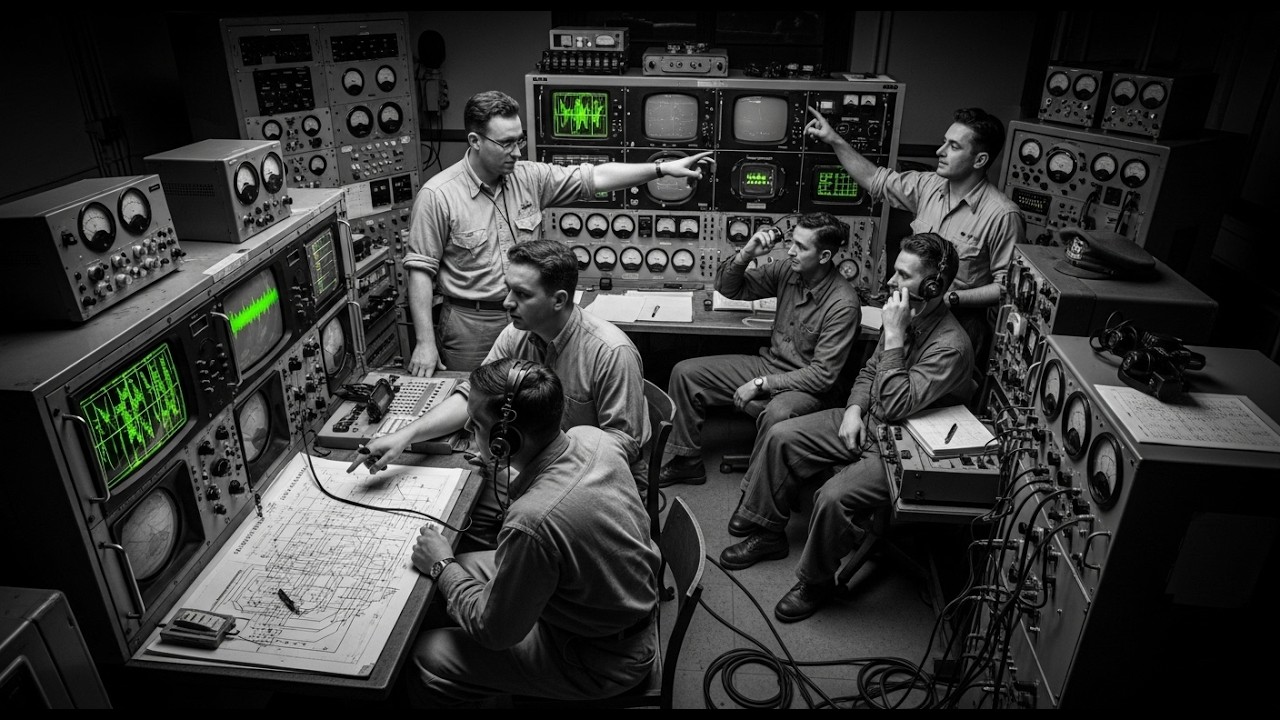
During World War II, the Allies faced a critical navigation challenge: guiding ships and aircraft across vast oceans without satellites or reliable radar coverage. The solution was LORAN (Long Range Navigation), a groundbreaking radio warfare system based on precisely timed 100 kHz radio pulses.
Developed by the U.S. Navy and MIT’s Radiation Laboratory and first deployed in 1942, LORAN used synchronized transmitter stations to measure time differences between signals, allowing navigators to determine their position within a few miles. By the end of the war, the system had guided more than 75,000 Allied ships and aircraft, supporting convoy protection, strategic bombing missions, and amphibious landings.
This episode explains the engineering principles, timing synchronization challenges, and wartime construction of LORAN stations under combat conditions. LORAN’s core concepts later influenced modern navigation systems and resilient alternatives to GPS still studied in military engineering and engineering education today.
Subscribe to Iron Minds for more wartime engineering, military communications, and technical problem-solving stories from military history.
Disclaimer: Some scenes in this video use AI-created imagery to help visualize complex wartime engineering and POW innovations. These visuals are educational aids only and are not presented as real historical photos. Every historical fact has been carefully researched and verified.
#IronMinds #MilitaryEngineering #RadioWarfare #SignalIntelligence #WartimeInnovation #MilitaryHistory #TechnicalSolutions #EngineeringGenius
Повторяем попытку...
Доступные форматы для скачивания:
Скачать видео
-
Информация по загрузке: