This Job Required You to Sleep Next to Corpses Every Night
Автор: Dark Jobs of History
Загружено: 2026-03-18
Просмотров: 165
Описание:
The first thing that stays with you is not the sight, but the atmosphere. A dimly lit room, damp walls, and the quiet presence of bodies laid out in stillness. In the industrial cities of nineteenth-century England, where disease spread faster than infrastructure could contain it, death was not a distant event. It was constant, immediate, and often overwhelming. Behind the growth of cities like Liverpool and Manchester existed a hidden system tasked with managing what the rest of society could not face.
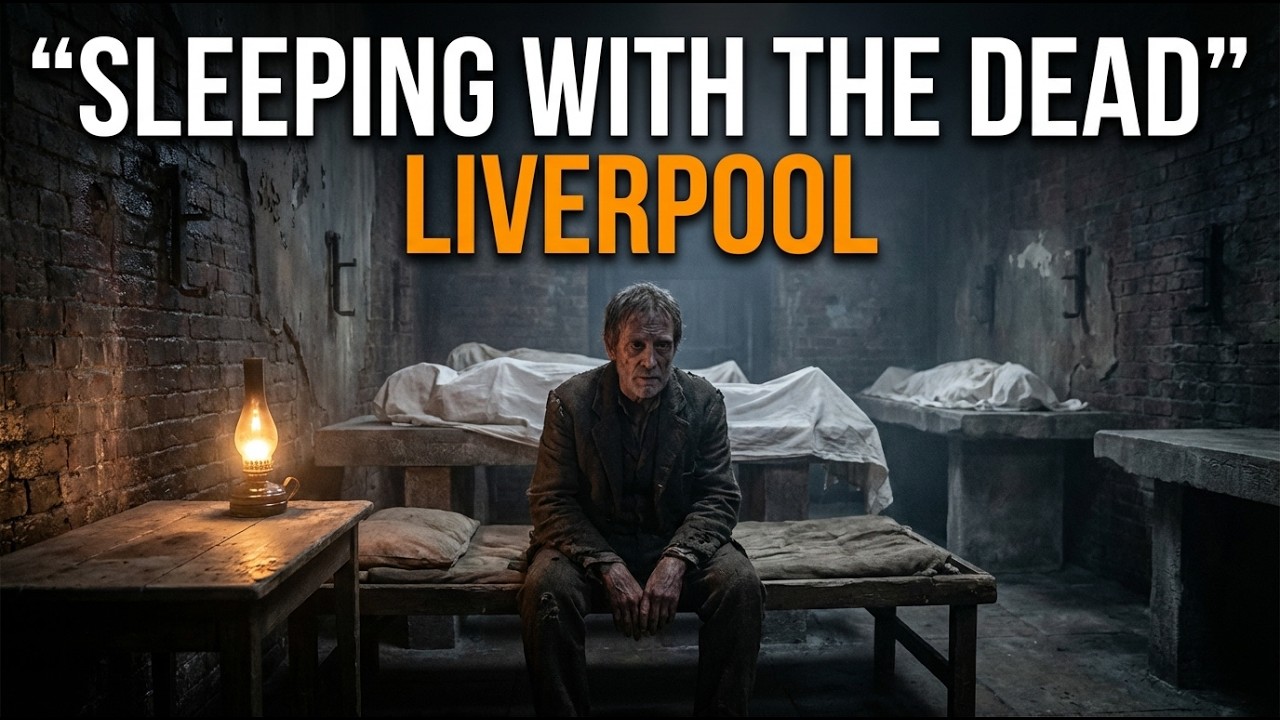
At the center of that system was the public deadhouse, a place where the unclaimed and the unidentified were taken before burial. It was here that Thomas Holt lived and worked. Once a dock laborer, forced out of his trade by injury, he accepted a position few would consider. The wage was small, the conditions barely described, and the accommodation came with a reality he could not escape. His living space stood only a few steps from the room where bodies were kept.
His days and nights blurred together. There were no fixed hours, only the arrival of the dead at all times—pulled from riverbanks, carried from overcrowded housing, or brought in from hospital wards. Each body required handling, recording, and preparation. The work demanded precision and consistency, but offered no distance. Even rest came within reach of the same silence that filled the adjoining room.
As disease moved through the city, the pace increased. Cholera, typhus, and other illnesses filled the deadhouse faster than it could comfortably hold them. The physical toll was matched by something less visible. Isolation grew steadily, both within his work and beyond it. The role marked him in the eyes of others, creating a quiet barrier between him and the community he served. Over time, the emotional weight of the work settled into something harder to define and impossible to set aside.
Men like Thomas were essential to the functioning of these rapidly expanding cities. They maintained order in moments of crisis, ensured the dead were accounted for, and supported the legal processes that followed sudden or unexplained deaths. Yet their presence remained largely unacknowledged, their contribution reduced to a necessity few wished to confront.
As public health systems improved later in the century, the need for such roles changed. What did not remain was the memory of those who carried that burden during its most difficult years. Their stories, like the spaces they worked in, were left behind—quiet, unseen, and largely forgotten.
#victorianhistory #publichealthhistory #industrialera
This video is based on historical research and is created for educational purposes. Some visual scenes in this documentary have been generated using AI technology to help viewers better understand and visualize historical environments, events, and conditions.
Повторяем попытку...
Доступные форматы для скачивания:
Скачать видео
-
Информация по загрузке: