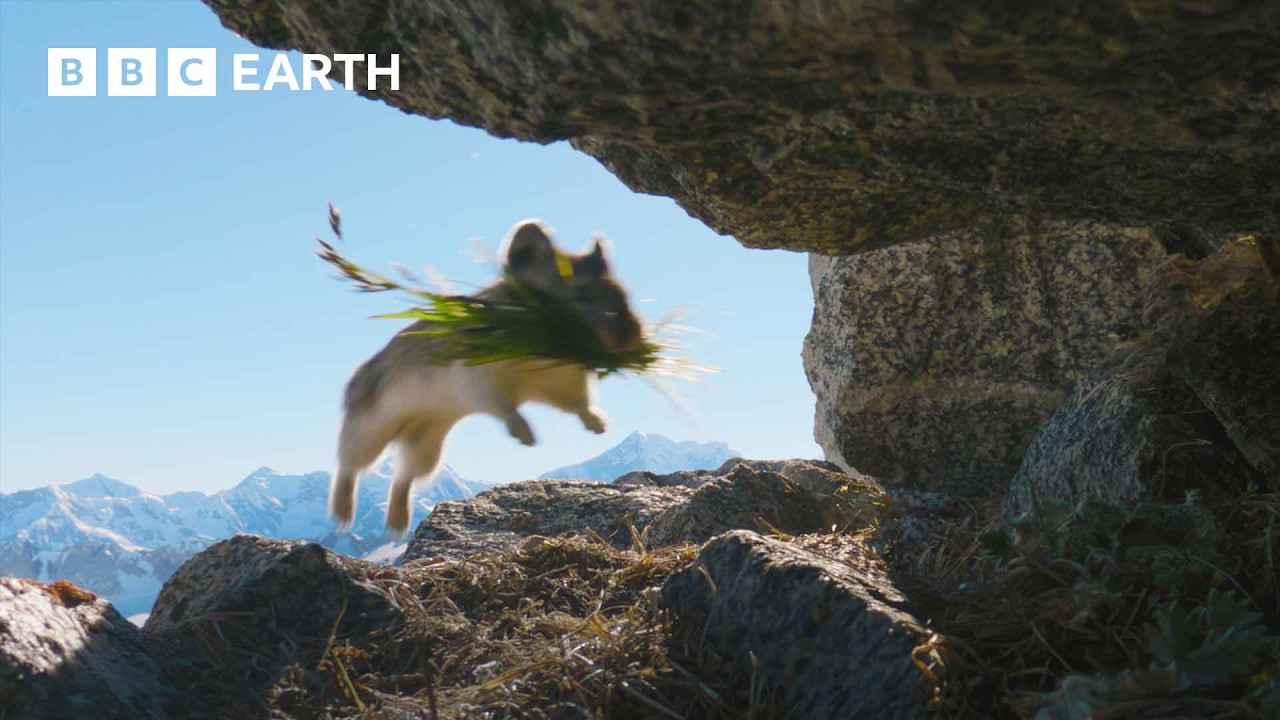
American Pika Gathering Food
Автор: American Pika
Загружено: 2017-07-19
Просмотров: 4323
Описание:
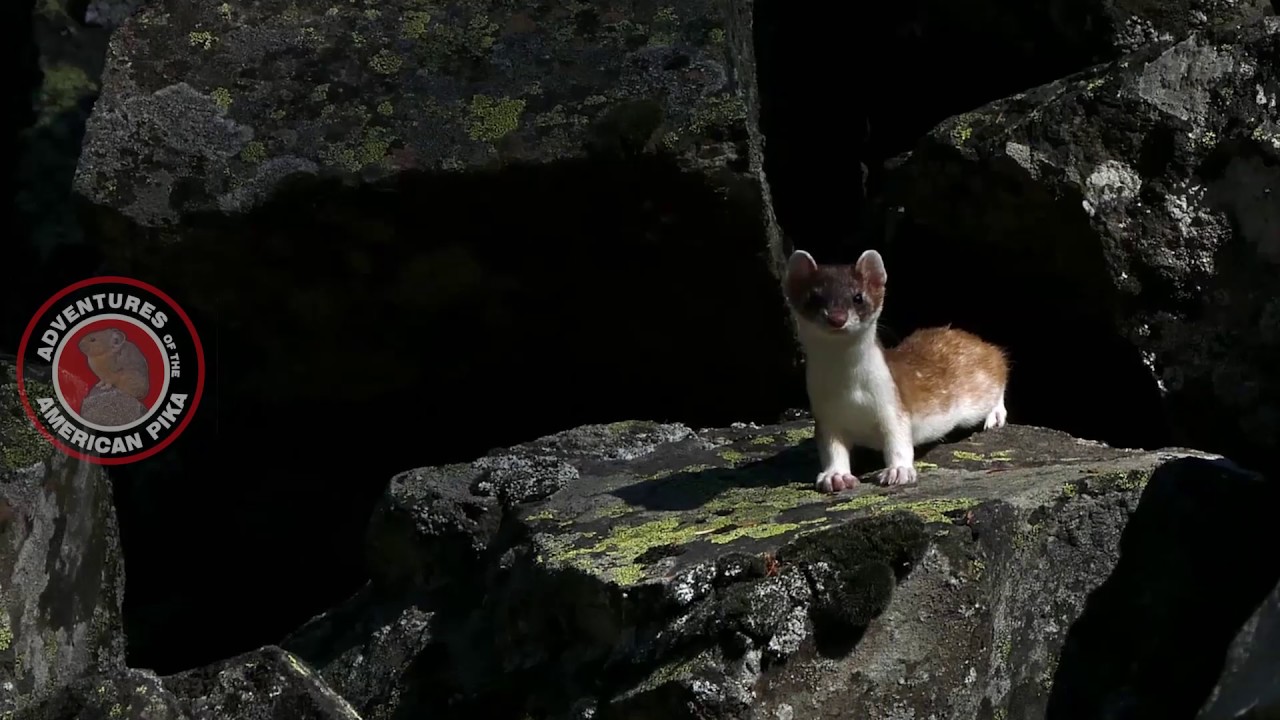
The Weasel's Wild Chase: A Tale of Alpine Pursuit
Imagine a high-altitude, rocky labyrinth. The sun beats down, turning the talus into a shimmering oven. In this harsh environment, a tiny predator, the weasel, engages in a relentless pursuit. Its quarry? A diminutive, herbivorous rodent known as the American pika.
The weasel, with its lithe body and lightning-fast reflexes, is a marvel of nature. It's a predator born for the mountains, its small size allowing it to navigate the narrow crevices and rocky outcroppings that would be impassable for larger animals. Its sleek fur, a blend of white in winter and brown in summer, provides excellent camouflage against the rocky backdrop.
The weasel's hunting strategy is as cunning as it is efficient. It relies heavily on its keen sense of smell to track its prey. Pikas, while quick and agile, can't match the weasel's olfactory prowess. Once the weasel has a scent, it becomes a relentless hunter, weaving through the talus and peering into every nook and cranny.
When it finally spots a pika, the weasel's pursuit is a blur of motion. It darts in and out of the rocks, its small body twisting and turning with incredible agility. The pika, terrified, does its best to evade its pursuer, but the weasel's speed and persistence are too much to handle.
To sustain its high-energy lifestyle, the weasel needs to consume a staggering amount of food. It's estimated that a weasel needs to eat about 1/5 of its body weight in food each day. That's the equivalent of a human eating 10 pounds of food every day! To meet this incredible demand, the weasel's heart rate is incredibly high, often reaching speeds of 200-300 beats per minute.
But the weasel's story isn't just about survival. It's also a tale of resilience and adaptation. In a world where many animals are struggling to cope with habitat loss and climate change, the weasel's ability to thrive in such a harsh environment is a testament to the incredible diversity and adaptability of life on Earth.
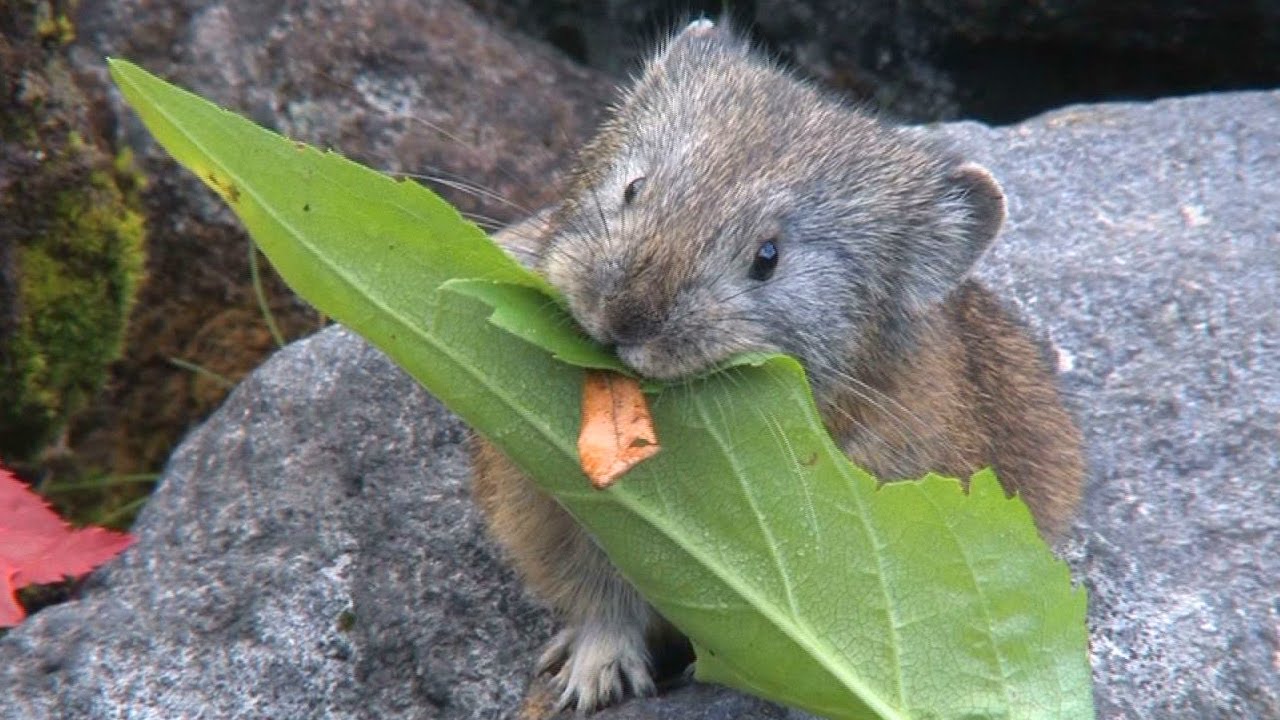
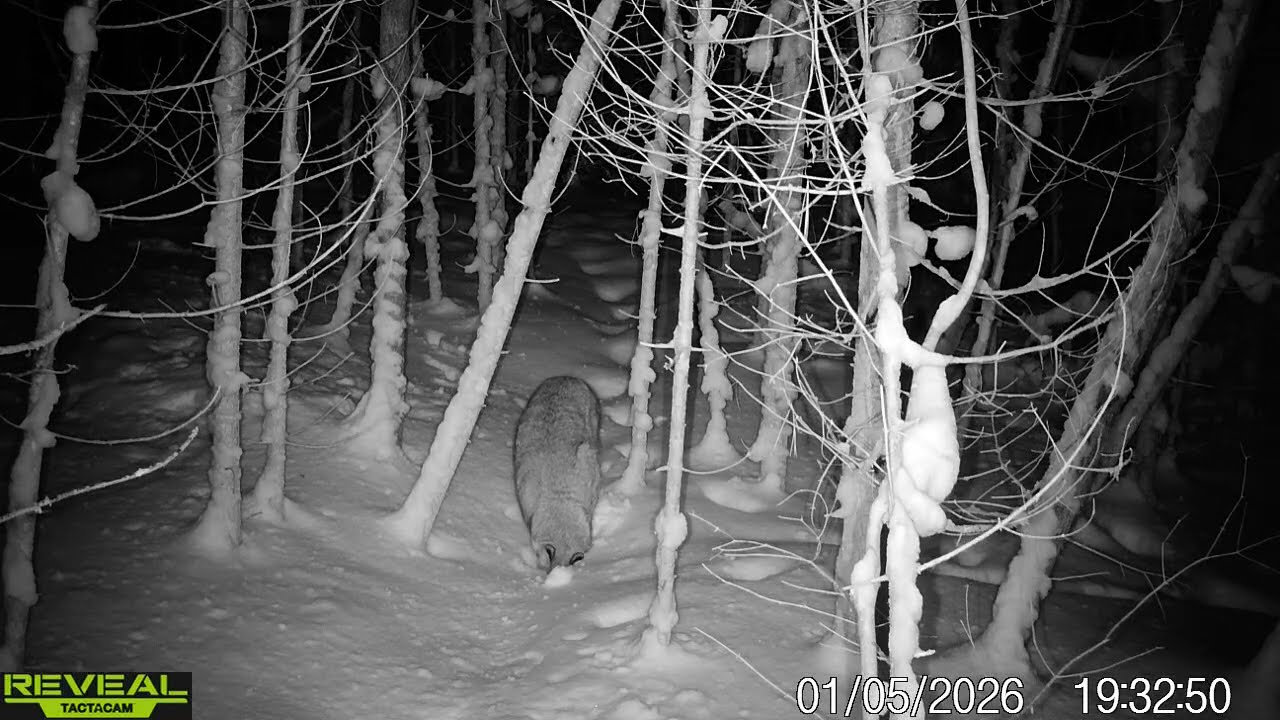
An American Pika (Ochotona princeps) collecting vegetation near a talus patch not far from Bozeman, Montana. This energetic pika was also eating fungi (mushrooms) and watching out for predators (long-tailed weasel).
https://www.folgertstudio.com/pika-film
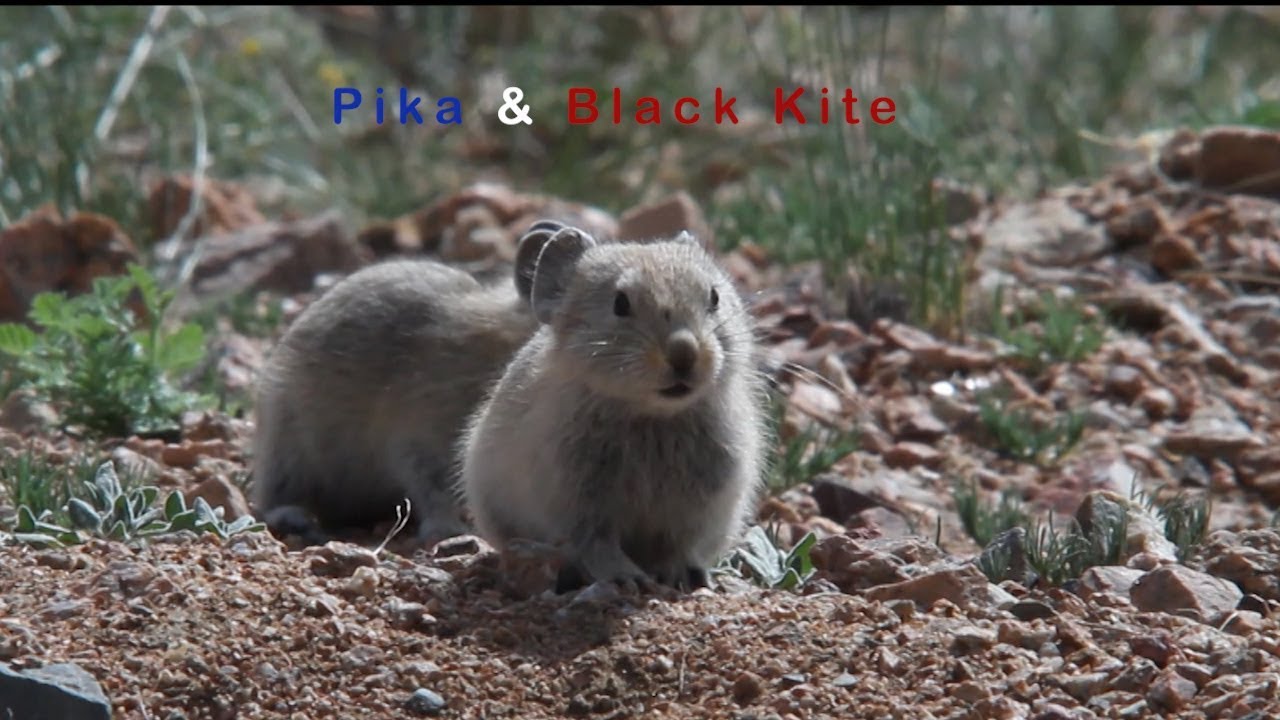
Pikas (Ochonta princeps) are small mammals related to the rabbit family, even though they look more like a hamster. Pikas are sometimes known as conies or rock rabbits. These cuddly-looking characters have small, oval bodies that are only around six inches long and weigh six ounces. Their ears are moderately large for their bodies and round in shape. Pikas have a very short tail that is usually covered by a coat of thick brown-gray peppered fur. They have sharp curved claws and padded toes to scamper around alpine rocks. Excellent hearing and vision keep them very aware of the danger in their surroundings (NPS).
American pikas live on rock faces, talus slopes, and cliffs near mountain meadows. Pikas live in colonies often connected by burrow mazes underneath these rocky areas. Even so, individuals are very territorial over their own den and surrounding areas and are usually seen darting around rocky areas (NPS).
The American Pika, a small, rock-dwelling mammal found in the rugged mountains of the American West, is a true testament to the resilience of nature. These adorable creatures, with their round ears and tiny, nimble bodies, spend their days darting between rocks, gathering food, and creating a home in the harshest of climates. They have no need for hibernation like many of their mountain-dwelling neighbors, yet they’ve found a way to thrive in the snow-covered peaks and sun-drenched slopes. Their diet consists mostly of grasses, wildflowers, and shrubs, which they carefully harvest and store in their burrows to survive the long winter months when the mountain world is blanketed in snow. But beyond their charming appearance lies an intricate dance with the environment, as the American Pika is extremely sensitive to temperature changes, relying on the cool, high-altitude air to regulate their body temperature. This means they are acutely affected by climate change, and their habitats are shrinking as the world warms. It’s a poignant reminder of the fragile balance between all living creatures and their ecosystems. In a world where many species are disappearing due to human activity, the American Pika stands as a symbol of the delicate yet profound connection between the natural world and the forces shaping it.
www.FolgertStudio.com
Jere Folgert
Bozeman, Montana (USA)
(Not to be confused with pica)
https://www.globalpositions.com/terra...
Terra Topo Hiking Map. Absaroka Beartooth Wilderness. Montana Wyoming. East Rosebud. Cooke City. Trail Map. Waterproof. Trail Map. First Place Award.
Повторяем попытку...
Доступные форматы для скачивания:
Скачать видео
-
Информация по загрузке: