🧠 Antipsychotic Drugs (Part - 1) Psychiatric Illness Introduction | CNS Pharmacology | USMLE Step 1
Автор: Dr.G.Bhanu Prakash
Загружено: 2019-12-26
Просмотров: 107050
Описание:
📌 𝐅𝐨𝐥𝐥𝐨𝐰 𝐨𝐧 𝐈𝐧𝐬𝐭𝐚𝐠𝐫𝐚𝐦:- / drgbhanuprakash
📌𝗝𝗼𝗶𝗻 𝗢𝘂𝗿 𝗧𝗲𝗹𝗲𝗴𝗿𝗮𝗺 𝗖𝗵𝗮𝗻𝗻𝗲𝗹 𝗛𝗲𝗿𝗲:- https://t.me/bhanuprakashdr
📌𝗦𝘂𝗯𝘀𝗰𝗿𝗶𝗯𝗲 𝗧𝗼 𝗠𝘆 𝗠𝗮𝗶𝗹𝗶𝗻𝗴 𝗟𝗶𝘀𝘁:- https://linktr.ee/DrGBhanuprakash
🧠 Antipsychotic Drugs Part 1 – Psychiatric Illness Introduction | CNS Pharmacology | USMLE Step 1
In this high-yield introduction to Antipsychotic Drugs (Part 1), we begin with a clinically focused overview of psychiatric illnesses that require antipsychotic treatment — laying the perfect foundation for mastering CNS pharmacology in your USMLE Step 1 prep. Before diving into drug mechanisms, it's essential to understand the neurochemical basis of psychosis, the clinical presentation of schizophrenia, and the rationale for dopamine-targeted therapy. This video explains all of that — in a concise, exam-oriented way. 🧠💊
We first explore key psychiatric disorders commonly associated with psychosis:
– Schizophrenia – characterized by positive symptoms (hallucinations, delusions, disorganized thought) and negative symptoms (flat affect, avolition, social withdrawal)
– Schizoaffective disorder – schizophrenia + mood disorder features
– Brief psychotic disorder and delusional disorder – short-term or isolated psychotic symptoms
– Bipolar disorder (mania) and severe depression with psychotic features
– Psychosis due to substance use or general medical conditions
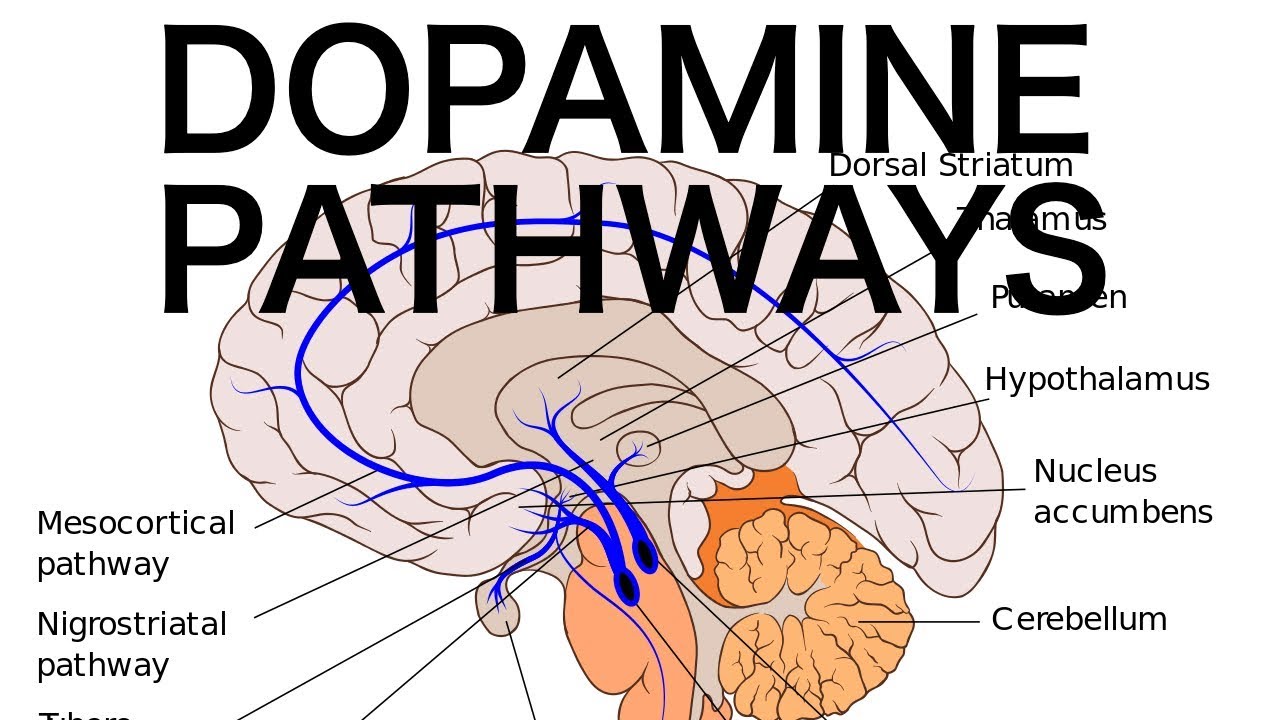
We then introduce the dopamine hypothesis of schizophrenia, explaining how excessive dopaminergic activity in the mesolimbic pathway contributes to positive symptoms, while dopamine hypoactivity in the mesocortical pathway is linked to negative symptoms. This sets the stage for understanding why D2 receptor antagonists form the cornerstone of antipsychotic therapy.
You’ll also get a primer on the four major dopaminergic pathways:
– Mesolimbic → target of antipsychotics
– Mesocortical → responsible for cognitive/negative symptoms
– Nigrostriatal → explains extrapyramidal side effects
– Tuberoinfundibular → explains hyperprolactinemia
This lecture serves as a conceptual launchpad for Parts 2 and 3, where we’ll dive into typical and atypical antipsychotics, mechanisms of action, side effect profiles, and clinical decision-making.
By the end of this video, you’ll have a solid grasp of why antipsychotics are used, which symptoms they treat, and what brain pathways are involved — setting you up for success in CNS pharmacology and high-yield USMLE questions.
#AntipsychoticDrugs #CNSPharmacology #USMLEStep1 #PsychiatryBasics #SchizophreniaPathophysiology #DopamineHypothesis #D2Receptor #WhiteboardMedicine #DrGBhanuPrakash #NBMEReview #MesolimbicPathway #Nigrostriatal #Step1Prep #HighYieldPharmacology #MedicalEducationUSA #PsychiatricIllness #PositiveSymptoms #NegativeSymptoms #AntipsychoticIntroduction #PsychosisUSMLE #USMLE2025
Повторяем попытку...
Доступные форматы для скачивания:
Скачать видео
-
Информация по загрузке: