SENIORS: These 5 Early Signs of Heart Failure Are Easy to Miss
Автор: Dr. Claire Whitmore Senior's Health Tips
Загружено: 2026-01-08
Просмотров: 4272
Описание:
Join our Newsletter: https://www.seniorhealthlifedaily.vip...
Heart failure does not always look like a dramatic collapse or crushing chest pain. In fact, by the time you see swollen ankles, the damage may already be irreversible.
In this video, Cardiac Surgeon Dr. Claire Whitmore reveals the "Surgeon’s Secrets"—the 5 subtle, counter-intuitive signs of heart failure that most primary care doctors miss because they mimic aging, back pain, or stomach issues. We break down the specific hydro-dynamics of the failing heart, explaining why gravity is your enemy when you lie down and why your digestion might be starving your brain of oxygen.
PLUS: Dr. Whitmore reveals the one inexpensive blood test (BNP) that can rule out heart failure with high accuracy before you undergo invasive procedures.
In this video, you will discover:
The "Recliner" Sign (Orthopnea): Why adding a third pillow isn't about back comfort—it’s about gravity. We explain how lying flat causes a 30% shift in blood volume that drowns a failing left ventricle.
The "Shoelace" Test (Bendopnea): Why gasping for air within 30 seconds of bending over is a specific sign of elevated intracardiac pressure, distinct from being "out of shape."
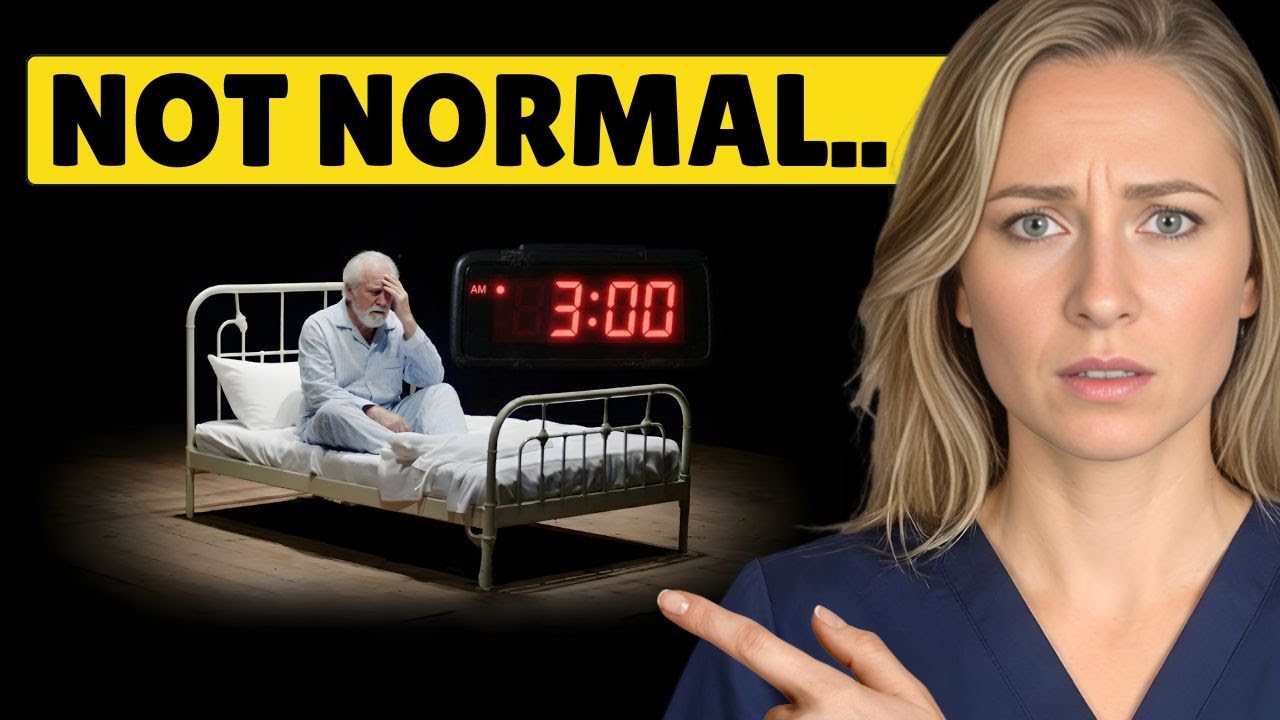
The "Nighttime" Flush (Cardiac Nocturia): Why your kidneys stop working during the day and go into overdrive at night, forcing you to wake up 3+ times to urinate.
The Appetite Paradox (Cardiac Cachexia): How you can gain water weight while starving to death. We detail how "Hepatic Congestion" (swollen liver) tricks your brain into feeling full after two bites.
The "Post-Lunch" Fog: Why a heavy meal diverts so much blood to the gut that a weak heart leaves the brain hypoxic, mimicking dementia.
Disclaimer: The content in this video is for educational purposes only and is not intended to be a substitute for professional medical advice, diagnosis, or treatment. Always seek the advice of your physician regarding your medical condition. If you experience sudden shortness of breath or chest pain, call 911 immediately.
Scientific References & Research
The following peer-reviewed journals and studies support the findings regarding the symptomatology and hemodynamics of heart failure discussed in this video:
1. Bendopnea as a Diagnostic Marker
Journal: Journal of the American College of Cardiology (JACC)
Study: Bendopnea: A New Symptom of Advanced Heart Failure
Key Finding: Shortness of breath when bending forward (bendopnea) is mediated by a further increase in filling pressures during position change, correlating with elevated pulmonary capillary wedge pressure.
2. Orthopnea and Fluid Redistribution
Journal: European Journal of Heart Failure
Study: Pathophysiology of orthopnea in chronic heart failure
Key Finding: The shift of blood volume from the splanchnic circulation and lower extremities to the central circulation upon recumbency overwhelms the compromised left ventricle, causing pulmonary congestion.
3. Cardiac Cachexia and Gut Edema
Journal: Circulation
Study: The intestinal hypothesis of cardiac cachexia
Key Finding: Right-sided heart failure leads to bowel wall edema (swelling) and bacterial translocation, causing early satiety, malabsorption, and a systemic inflammatory response that drives muscle wasting despite fluid weight gain.
4. B-Type Natriuretic Peptide (BNP) Testing
Journal: The New England Journal of Medicine
Study: Rapid Measurement of B-Type Natriuretic Peptide in the Emergency Diagnosis of Heart Failure
Key Finding: BNP levels are highly sensitive for diagnosing congestive heart failure; a normal BNP level effectively rules out heart failure as the cause of acute dyspnea.
Повторяем попытку...
Доступные форматы для скачивания:
Скачать видео
-
Информация по загрузке: