Historic Native American Zuni Pottery: How to Date and Price Zuni Pottery
Автор: Medicine Man Gallery
Загружено: 2010-09-18
Просмотров: 13343
Описание:
Historic Zuni pottery is highly sought after by pueblo pottery collectors. Learn about the different types of Zuni pottery and how to date these early pots. Dr. Mark Sublette, owner of Medicine Man Gallery, gives you tips on what to look for when collecting Zuni pottery.
Website: https://www.medicinemangallery.com
Facebook: / medicinemangallery
Instagram: / medicinemangallery
Podcast: https://itunes.apple.com/us/podcast/a...
Historic Native American Zuni Pottery: How to Date and Price Zuni Pottery
Today I wanted to talk about Native American Zuni pottery and specifically historic Zuni pottery. The Zuni Pueblo is found in western New Mexico. It's very isolated, and they're really probably better known for their fetishes that they make today. Still, potters today (are) making wonderful pottery, but I personally like collect and sell the older material anywhere from about 1870 to 1940s.
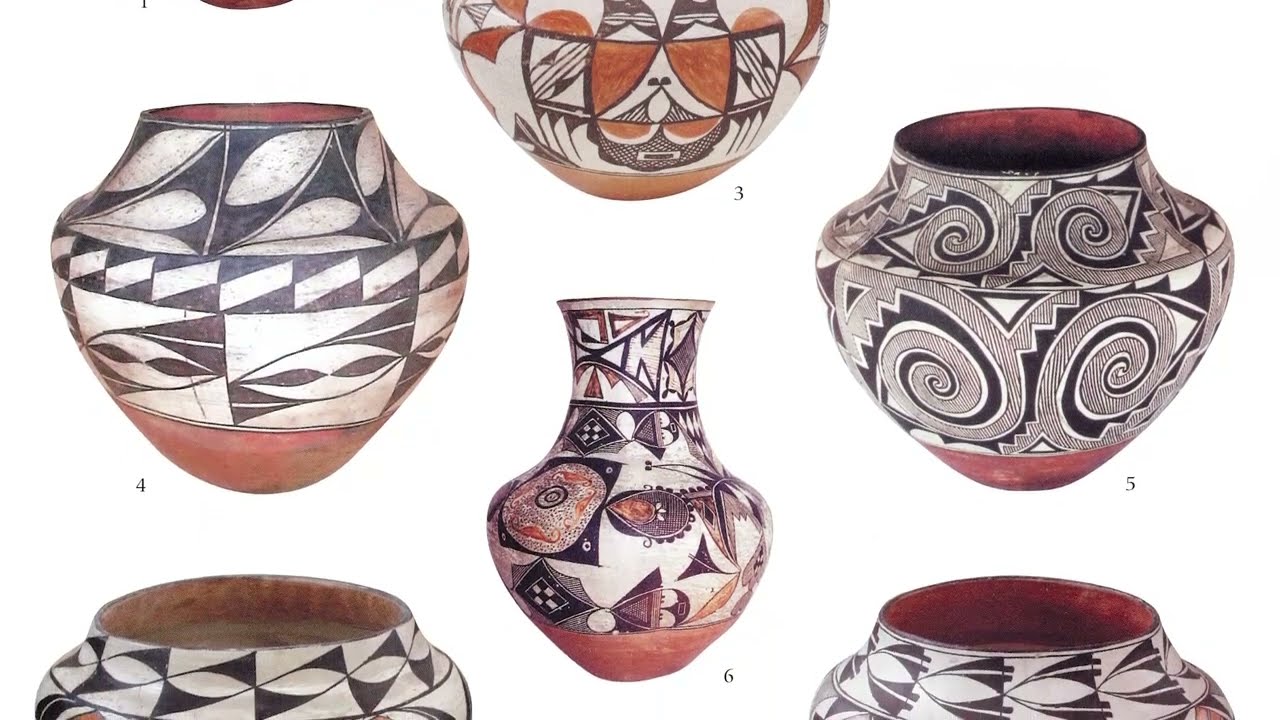
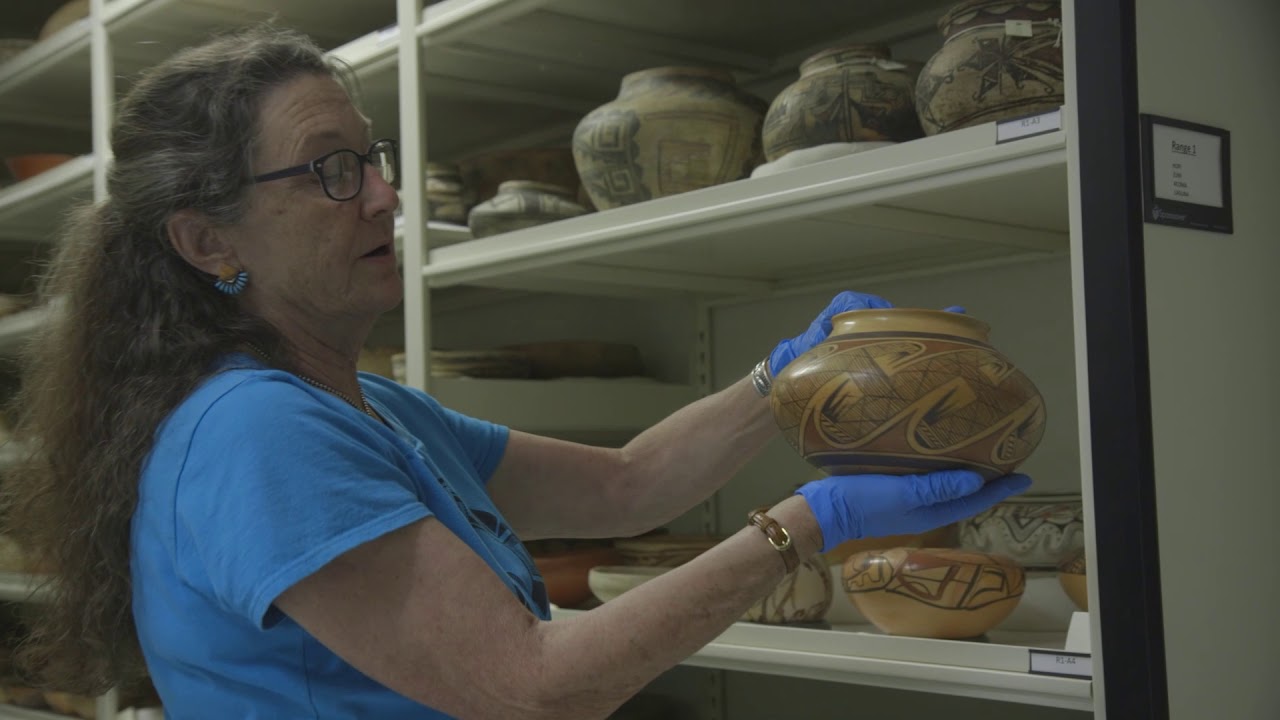
This kind of a piece, which is around the turn of the century, is a classic example of an early Zuni jar. You can see on it (that) it has these design elements of deer, and this is very typical; we call this a heartline deer pot. You can see on the deer itself, this line that runs through, which is a spirit line and very typical – love to see it. It makes it a pictorial element and it is (well) a classic piece.
Also, you'll notice on thisZuni pot, you can see the puki mark down below. The puki mark just shows how it was made – the pot itself at the beginning. And again, this is rather typical of Zuni pottery. If this puki mark back here was all red instead of brown and the inside was all red (then) we had started to think about a very early pot – 1850s or before. (This is a) very important concept because if it does have that red, that means it's probably going to be a lot more valuable because it's earlier.
The pottery here that you see (right behind me is) a Zuni bird; we call it a water bird, and that is a stylized design. Again, this has been used probably as early as the 1820s. This particular pot behind me is around 1890s. We love to see that element – very classic Zuni.
Again, look for the slip. This brown slip coloration really will tell you about the Zuni pottery. Early on, a man named Stevenson from the Smithsonian collected a lot of this pottery in the 1870s and 1880s. He was an ethnologist; he went to Zuni, and he basically kind of wiped out all the old pots, and sent them back to the Smithsonian in DC. It's great for us as the public because we can see these spots if we go back.
But the problem, as a collector, is that a lot of the early Native American Zuni pots just aren't in existence, because when he went through (he was a vacuum cleaner) and bought all the old pots and the pieces that they were using, so they all kind of went into museums. So, it’s wonderful to collect this pottery.
Price structure can be all over the board; you can have a nice pot of Zuni from the 1920s that might be $850, even maybe a little less. A great example, especially if it's an early example, can bring well up to a hundred thousand dollars. Generally, pots like this are five to twelve thousand dollars, again, depending on condition. If it's in perfect condition, it's going to be one value (and) if it has cracks or chips, it's going to be another.
It can have a few of those things if it's a very early pot, because it's, quite frankly, a hundred-year-old pot (that) was used. These were made to be used, and often, in fact, some of them will have the whole rim worn down, and this is from the ladle wear.
These Zuni pots were used for water. They would put these on their heads and carry water, and they would have a ladle that they would dip out. So, if you see ladle wear, though it is damaged, that's the kind of stuff I actually like to see. That's ethnological wear – use wear. So, you need to know if it's a damage because it's a chip or a break, or if it's because of use. These are a few tips for when you go to buy Zuni pottery.
Повторяем попытку...

Доступные форматы для скачивания:
Скачать видео
-
Информация по загрузке: