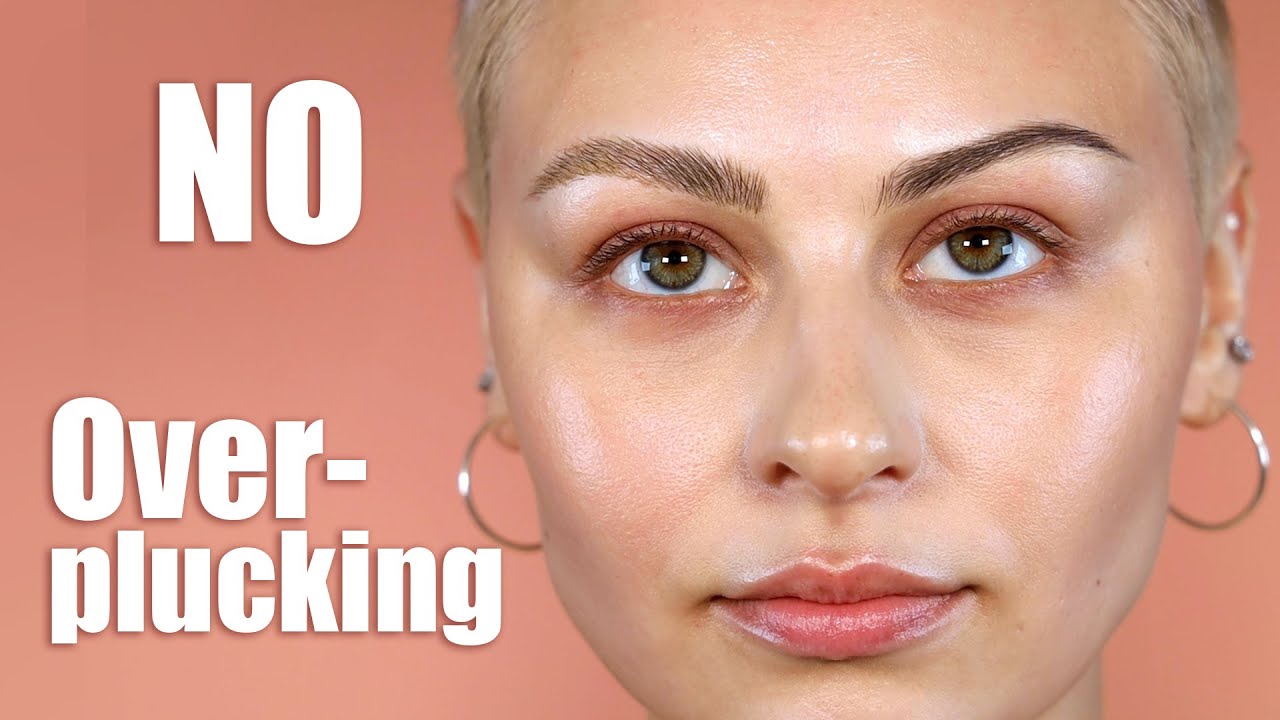
Thin eyebrows are back, but should they be?
Автор: R23 KH
Загружено: 2024-08-23
Просмотров: 22
Описание:
Thin eyebrows are back, but should they be?
Good news for anyone who permanently decimated their eyebrows in the 1990s with a pair of tweezers and bad lighting: the barely-there brow is making a comeback.
Big browed beauties like Cara Delevingne and Zoe Kravitz have shaped grooming standards for well over a decade — but if trend forecasts and red carpets are anything to go by, less is more once again.
The 90s beauty redux is evident everywhere from TikTok to Paris Fashion Week where earlier this year, make-up artist Pat McGrath painted the finest of curved lines high on the models’ foreheads for the Maison Margiela show, concealing their natural eyebrows below. Then in May, the Met Gala was awash with barely-there brows, with Zendaya, FKA Twigs and Doja Cat each opting for either bleached out or wafer-thin styles.
But what suits the bone structure of supermodel or Hollywood starlet can often end up looking decidedly different on mere mortals.
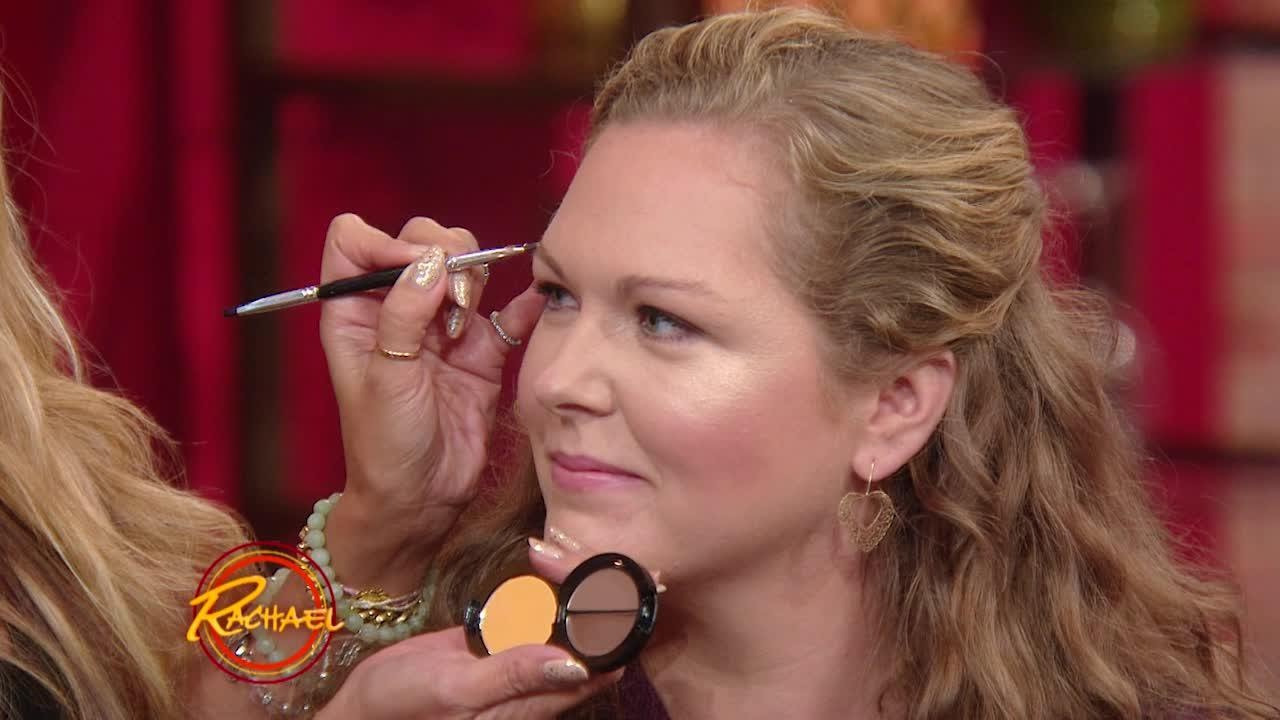
“I’ve definitely noticed the return of the skinny brow, but today’s version focuses on sculpting and accentuating your features rather than tweezing them pencil thin,” says British brow artist Hollie Parkes. “If you’re considering slimming your brow, I highly recommend booking an appointment with an expert.”
While the skinny brow look is being increasingly seen on social media, brow expert Kamini Vaghela who has been threading the eyebrows of A-listers and royals from her London salon for over 35 years, warns against imitating anyone else when it comes to beauty.
Eyebrows are, she said, completely individual and need to be treated as such, no matter what fashion tells us to do. She recalls seeing an image of Twiggy at the height of her fame in the 1960s and honing in on her eyebrows.
“I took one look at her — she had thin pale eyebrows which suited her — and I knew so many women were going to copy her and look completely ludicrous,” she said in a phone interview. “I don’t believe in eyebrow trends at all. It’s about what suits the individual — no shape can suit everyone.”
Kamini, who was born and raised in Zimbabwe but is of Indian heritage, credits herself with bringing threading to the West in 2001 and works on the basis that eyebrow form should be based on bone structure, eye shape, skin tone and hair colour.
“My eyebrows have never recovered from their over-plucking in the 90s,” revealed Jenni Parks, 42, from London. “They grew back oddly shaped and uneven. I tried microblading (similar to a semi-permanent eyebrow tattoo) which was expensive and by the far the most painful cosmetic treatment I have ever had, only for the pigmentation to turn pink. I finally found a solution with permanent make up brows and for the first time ever I’m happy with them. So yes, I regret ever plucking them in the first place!”
A trend that’s waxed and waned
Eyebrow grooming is an extremely lucrative business: the eyebrow services industry in the US is currently estimated to be worth $180m.
But the shifting nature of eyebrow fashion is nothing new and can tell us a lot about the social and political backdrop of the era. “There is evidence as far back as ancient Greeks and Romans of particular eyebrow trends,” beauty historian Lucy Jane Santos told CNN. “They are cyclical and we’ll often see them swinging between extremes. In Ancient Greece and Rome it was thick dark eyebrows (that were favored) and even a monobrow was prized.”
Santos explains how, by contrast, sparse eyebrows were very popular in the Middle Ages: a trend that is evidenced in artworks from the time. Portraits of women from this period in history — Roger van der Weyden’s “Portrait of a Lady,” for instance, do not boast strong brow energy.
“Women were plucking both their hairline and their eyebrows, partly to create the illusion of the elongated forehead,” she explained. “This was thought to be a sign of intelligence and beauty but it was also to make the face blank so as to draw attention to their decolletage.”
Santos explains that this practise was only among wealthy women rather than those who worked the fields: “Having the time to spend plucking your eyebrows denotes something about class and leisure time”.
During the 20th century the eyebrow trend cycle went much faster.
“In the 1920s (brows) were thin and plucked within an inch of their life,” said Santos. “Many historians believe this started with actresses in the silent film era when actresses relied on facial expressions and so a thin dark eyebrow was a strong, dramatic non-verbal communicator. Women were going to the cinema and seeing actresses with thin eyebrows and thick kohl liner and it (was) new, exciting and expressed modernity .”
But by the Second World War, women’s brows were thicker and less defined
Повторяем попытку...

Доступные форматы для скачивания:
Скачать видео
-
Информация по загрузке: