Top Scientist Reveals LED Bulb Working Principle Secrets
Автор: Ship's Tech Talk
Загружено: 2023-09-20
Просмотров: 163
Описание:
Top Scientist Reveals LED Bulb Working Principle Secrets
CHAPTERS
00:00 Intro
00:12 Content
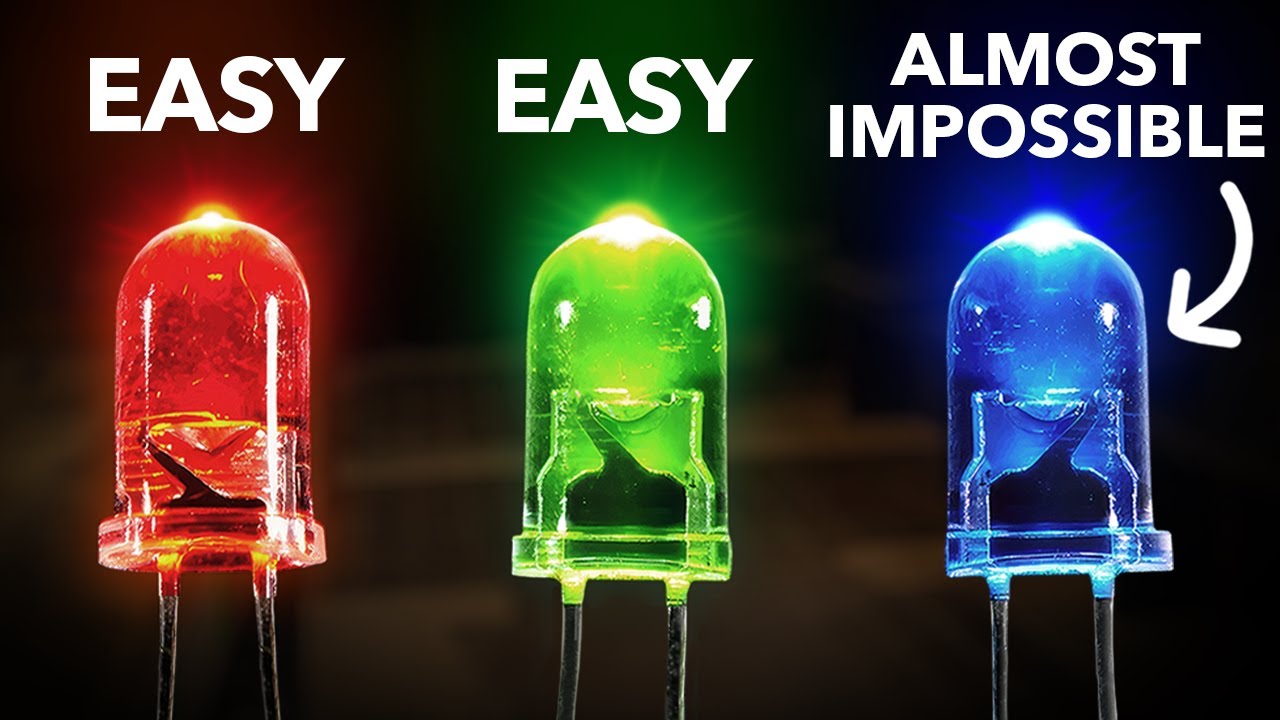
00:21 Types of Light-Emitting Diodes.
00:49 Breaking the LED to see inside.
01:08 Components inside LEDs.
01:53 What is the LED Chip? (3D Animated Explanation).
02:00 3D Animation of the PN Junction (Electroluminescence).
02:44 The Role of Wire Bond?
03:16 The Role of Epoxy Resin Encapsulation.
04:32 LED Application in Ships
08:01 LED Lifespan - Facts
08:40 Factors Affecting LED's Lifespan
09:13 LED Efficiency - Facts
11:08 Recycling and Environmental Impact of LEDs
--------------------------------------------------------------------
How LED Works? LED Bulb Working Principle Animation, Inside LED Bulb, Light Emitting Diode 3D Video
Welcome aboard, fellow maritime enthusiasts! In this episode of Ship's Tech Talk, we're about to embark on an illuminating journey into the world of Light Emitting Diodes. Get ready to dive deep into the intricate workings of these tiny light sources!
#types of Light-Emitting Diodes
• Dual In-Line Package LEDs
• Surface-mount LEDs
• High-powered LEDs
• UV LEDs
• RGB LEDs
• Bi & Tri-Colour LEDs
• Chip-On-Board LEDs
• Filament LEDs
• Alphanumeric LEDs
• Miniature LEDs
#components Inside LEDs
1. LED Chip:
• The LED chip is the heart of the LED. It's typically made of semiconductor material, commonly gallium arsenide or gallium nitride, depending on the type of LED.
• At the core of the chip is the P-N junction, a critical part of LED operation. The P-N junction is where the magic happens. It consists of two semiconductor layers – the P-type and N-type.
• The P-type layer contains electron vacancies, while the N-type layer has excess free electrons. When a voltage is applied to the LED, electrons from the N-side and holes from the P-side are attracted to the junction.
• When electrons and holes recombine at the P-N junction, they release energy in the form of photons, creating visible light. This process is known as electroluminescence, and it's the fundamental principle behind LED illumination.
2. Wire Bonds:
• Wire bonds are tiny wires that connect the LED chip to the electrical leads on the LED's outer surface.
• These wires are usually made of gold or aluminum and serve as conductive bridges, allowing the electrical current to flow between the chip and the external circuitry.
3. Epoxy Resin Encapsulation:
#epoxy resin serves several crucial functions:
• It protects the fragile LED chip and wire bonds from physical damage, moisture, and environmental factors, ensuring long-term durability.
• The epoxy's transparency allows the emitted light to pass through while focusing and directing it in the desired direction.
#Applications of LEDs in ships:
1. Navigation Lights
2. Underwater Lighting
3. Interior Lighting
4. Emergency Lighting
5. Instrumentation and Displays
6. Signal and Indicator Lights
7. Energy-Efficient Deck Lighting
8. Interior Ambiance Lighting
#led Lifespan - Facts:
1. Incredible Longevity
2. LEDs maintain a relatively constant brightness throughout their lifespan, typically losing only a small percentage of their initial brightness over time.
3. The actual lifespan of an LED can be influenced by various factors, including temperature, current, and drive circuitry.
4. LED lifespan can be translated into years of operation based on daily usage.
#led Efficiency - Facts:
1. LEDs are incredibly energy-efficient compared to traditional lighting technologies.
2. LEDs emit light in a specific direction, unlike traditional bulbs that emit light in all directions. This directional nature allows LEDs to use less energy to illuminate the desired area effectively.
3. LEDs offer precise control over color temperature, allowing users to select warm or cool lighting as per their preference.
4. LEDs provide instant illumination when powered on, eliminating the warm-up time associated with some traditional lighting sources.
5. Low Maintenance
6. LEDs can easily integrate with lighting control systems, including dimmers and intelligent lighting technologies.
It's your turn now, ship enthusiasts! Ask questions, and share your thoughts in the comments below. I'll feature the most intriguing questions in my next video or the description to ensure you leave here confident in your LED knowledge!
Don't forget to like, share, and subscribe for more enlightening content on Ship's Tech Talk. Your support fuels our quest for knowledge!
--------------------------------------------------------------------------
TAGS
led operation principle, led operation and construction, led light operation, principle of led operation, led principle and working, led bulb working principle, led working principle animation, led principle of operation, led principle construction and working, led 3d animation, led 3d video, Led animation video, light emitting diode, light emitting diode engineering, inside led bulb, how led works, How led is made, pn junction diode, electroluminescence, Working of led, Diode
Повторяем попытку...

Доступные форматы для скачивания:
Скачать видео
-
Информация по загрузке:








![Пожалуй, главное заблуждение об электричестве [Veritasium]](https://imager.clipsaver.ru/6Hv2GLtnf2c/max.jpg)
