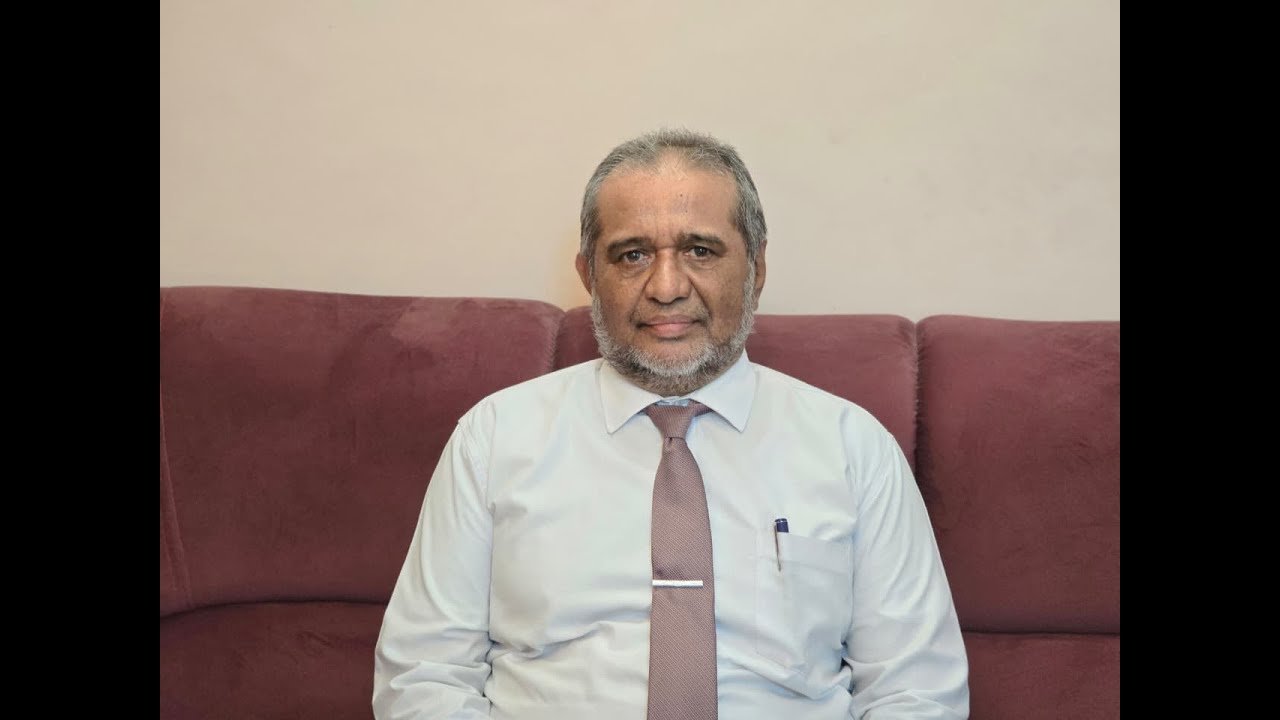
Reimagining Muslim Education in Sri Lanka: A Vision for the Next Generation - With MJM Mansoor
Автор: Living Islam Weekly
Загружено: 2026-02-03
Просмотров: 109
Описание:
Upgrading Muslim Schools in Sri Lanka: A Strategic Roadmap for Educational Excellence and Community Empowerment
Introduction
Education has always been central to the intellectual, moral, and socio-economic development of Muslim communities in Sri Lanka. From traditional madrasa education to government-assisted Muslim schools, the community has historically invested in learning as a means of preserving faith, identity, and social mobility. However, in the contemporary era—characterised by rapid technological change, global competition, and evolving labour markets—many Muslim schools in Sri Lanka face serious challenges that limit their ability to prepare students for higher education, employment, and responsible citizenship.
Upgrading Muslim schools is not merely an educational necessity; it is a strategic imperative for community upliftment, national integration, and long-term sustainability. This paper outlines the key challenges facing Muslim schools in Sri Lanka and proposes a multi-dimensional roadmap to upgrade them in line with modern educational standards while preserving Islamic values and cultural identity.
1. Understanding the Current Challenges
1.1 Infrastructure Deficiencies
Many Muslim schools, particularly in rural and semi-urban areas, suffer from inadequate infrastructure:
Poorly maintained classrooms
Lack of science laboratories and ICT facilities
Insufficient libraries
Limited sports and extracurricular spaces
Such conditions directly affect learning outcomes, student motivation, and teacher performance.
1.2 Quality of Teaching and Teacher Training
A major challenge is the shortage of well-trained teachers, especially in:
English language
Mathematics and Science
ICT and emerging technologies
In some schools, teachers lack continuous professional development opportunities, resulting in outdated pedagogical methods focused on rote learning rather than critical thinking.
1.3 Curriculum Imbalance
Muslim schools often struggle to strike a balance between:
National curriculum requirements
Islamic studies and moral education
In some cases, Islamic education is treated as an add-on rather than being integrated holistically into students’ intellectual and ethical development.
1.4 English Language Proficiency
Limited English proficiency remains one of the most significant barriers for Muslim students, restricting access to:
Higher education
Professional careers
Global knowledge resources
This language gap perpetuates socio-economic disadvantage.
1.5 Governance and Leadership Issues
Some Muslim schools suffer from weak governance structures due to:
Politicisation of school management
Lack of professional leadership training for principals
Minimal accountability mechanisms
2. Vision for Upgrading Muslim Schools
The goal of upgrading Muslim schools should be to create value-driven, academically excellent, and future-ready institutions that:
Produce morally grounded, confident Sri Lankan Muslims
Equip students with 21st-century skills
Promote national harmony and civic responsibility
This vision requires a holistic transformation, not piecemeal reforms.
3. Strengthening School Infrastructure
3.1 Modern Learning Environments
Key priorities should include:
Renovation of classrooms with proper lighting and ventilation
Establishment of science and computer laboratories
Creation of well-stocked libraries with digital access
Public–private partnerships, zakat funds, waqf institutions, and diaspora contributions can be mobilised for infrastructure development.
3.2 Digital Transformation
Every Muslim school should aim to:
Introduce smart classrooms
Provide internet access
Integrate e-learning platforms
This became especially urgent after the COVID-19 pandemic exposed deep digital inequalities.
4. Improving Teacher Quality and Professional Development
4.1 Continuous Teacher Training
Teachers should receive regular training in:
Modern teaching methodologies
Student-centred learning
Assessment for learning (not just exams)
Collaboration with universities, teacher training colleges, and NGOs can support this.
4.2 English and STEM Teacher Development
Special programmes should be introduced to:
Improve English fluency among teachers
Train science and mathematics teachers in practical, inquiry-based learning
Incentives such as scholarships and career progression pathways can help attract quality teachers.
4.3 Integrating Islamic Pedagogy
Islamic studies teachers should also be trained to:
Use critical and reflective teaching methods
Relate Islamic values to contemporary issues such as ethics, citizenship, and environmental responsibility
Повторяем попытку...
Доступные форматы для скачивания:
Скачать видео
-
Информация по загрузке: