Georgia's Frozen Conflicts | Abkhazia, South Ossetia, & Russian Occupation
Автор: Tieran Freedman
Загружено: 2021-07-08
Просмотров: 4331
Описание:
Abkhazia & South Ossetia's Frozen Conflicts: Georgia vs Russia.
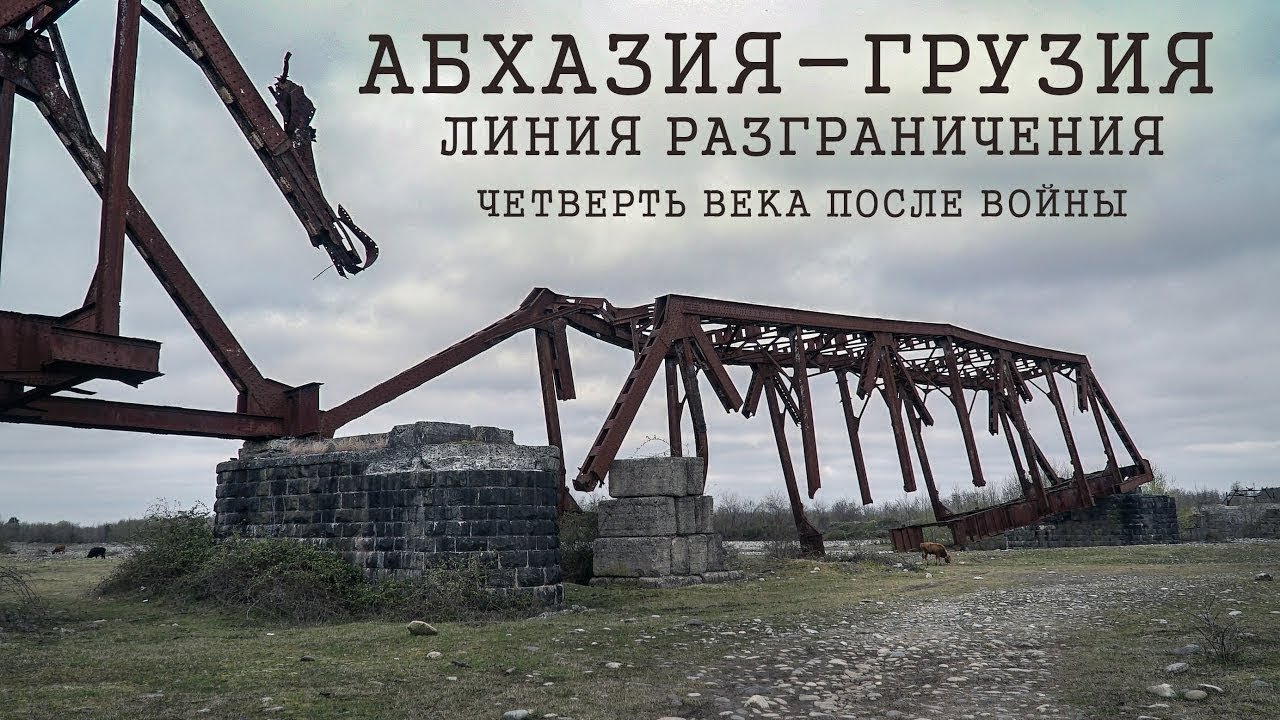
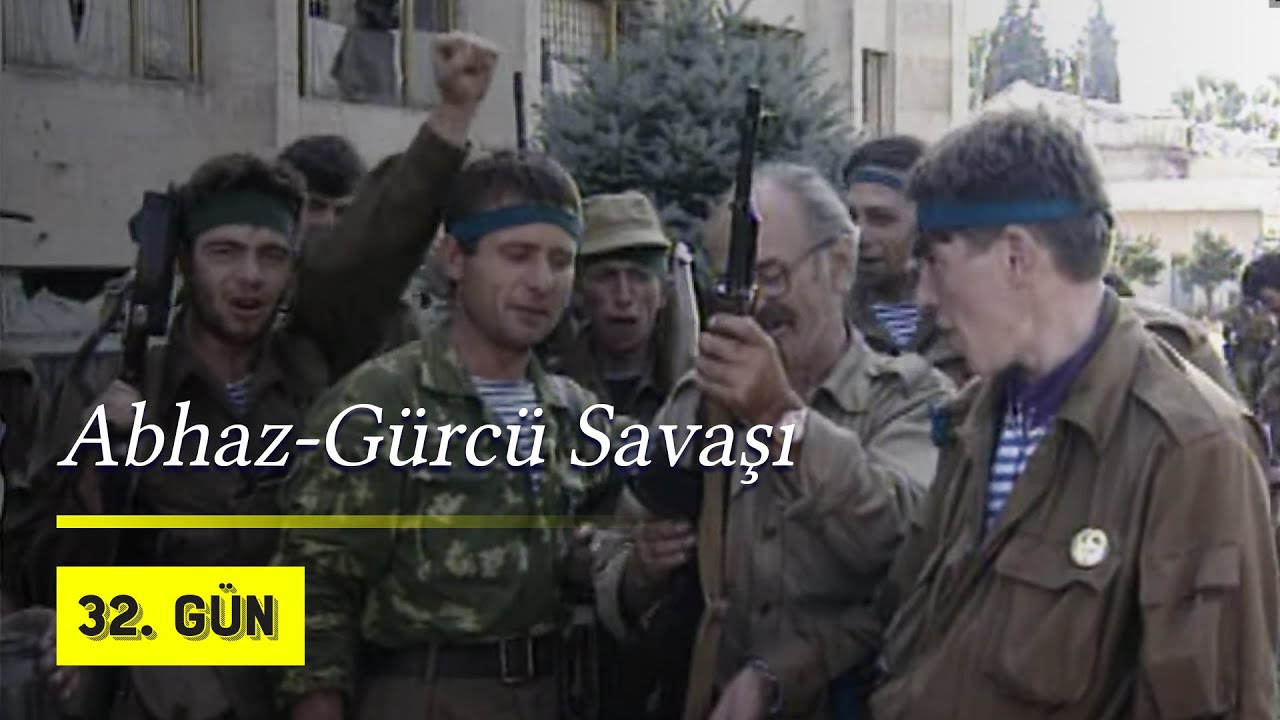
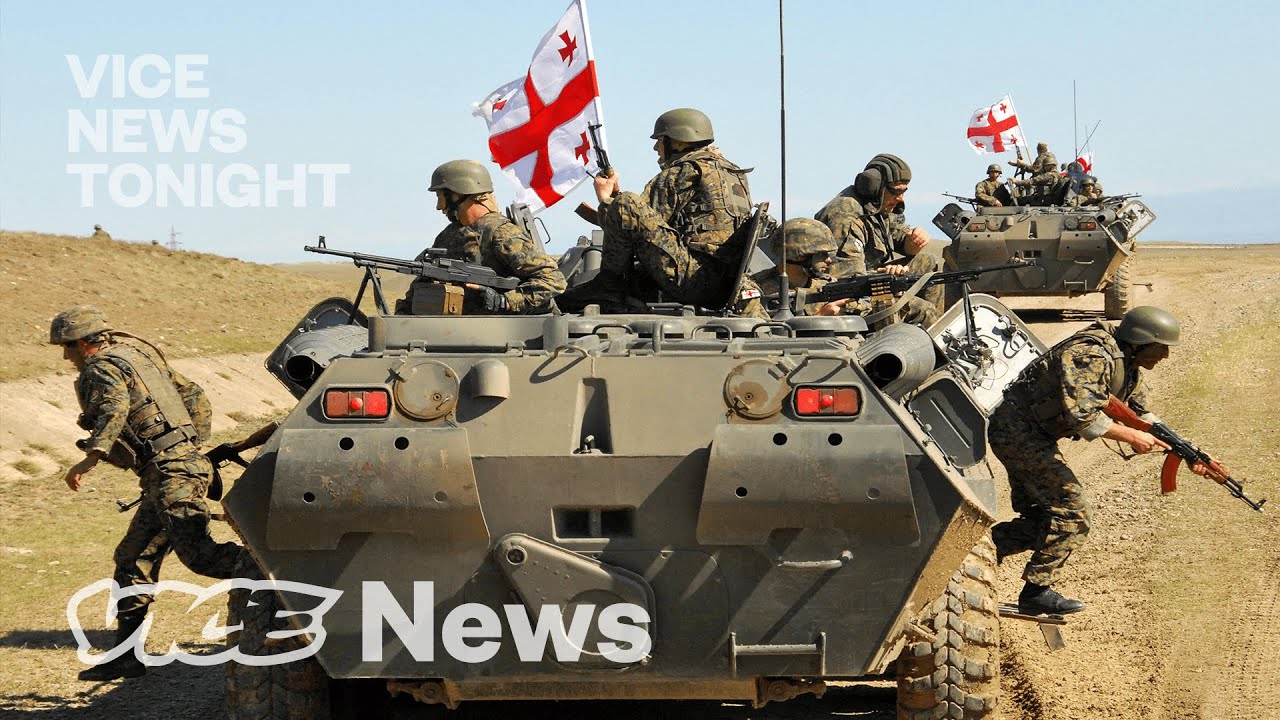
In the Caucasus, Russia occupies 2 territories of Georgia: Abkhazia & South Ossetia. Russia and Georgia are in a state of frozen conflict. In 2008, Russia invaded Georgia supporting pro-Russia separatists in South Ossetia. In the Russo-Georgian war, which saw Georgia lose control of the region. Previously, Russia supported separatists in the 1992 Abkhazia war, when another breakaway state separated from Georgia.
What caused the Russian invasion of Georgia? How does it link to the 2020 Tbilisi protests? How is Russia occupying 20% of Georgian land in frozen conflict zones? Who are the Georgian refugees and IDPs living in abandoned soviet facilities in the country?
Like other Caucasus countries, Georgia is very diverse, with several distinct ethnic and cultural identities. Some have unique languages, like Svaneti (Svan) and Mingrelia (Mingrelian). Most of the population lives in harmony with the others, except in Abkhazia and South Ossetia.
Where are the breakaway regions of Abkhazia and South Ossetia? Abkhazia is in the Northwest of Georgia, on the border with Russia, and South Ossetia is in the North. Abkhazia has its own language, Abkhaz, as does South Ossetia - Ossetian.
Abkhazia and Ossetia have strong separatist movements. After a rise in Abkhaz and Ossetian nationalism, South Ossetia declared independence from Georgia during the 1991 South Ossetia War, while Abkhazia declared its independence after a 1992 war with Georgia.
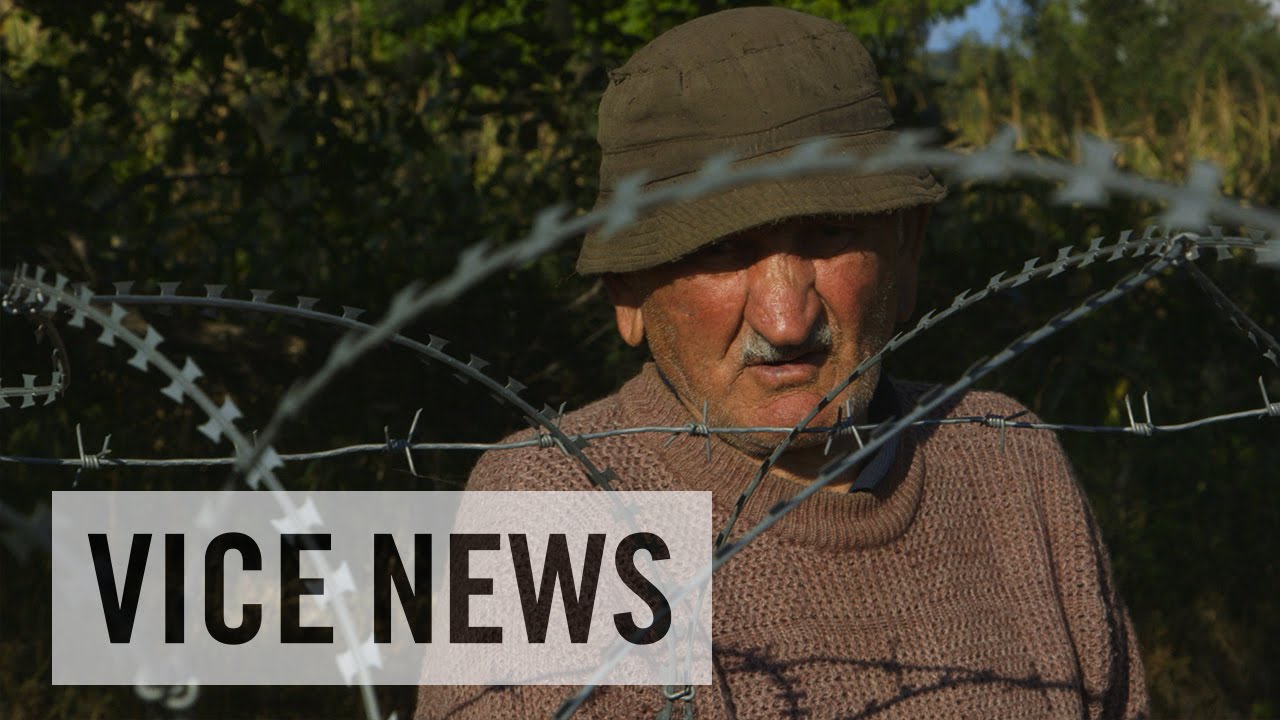
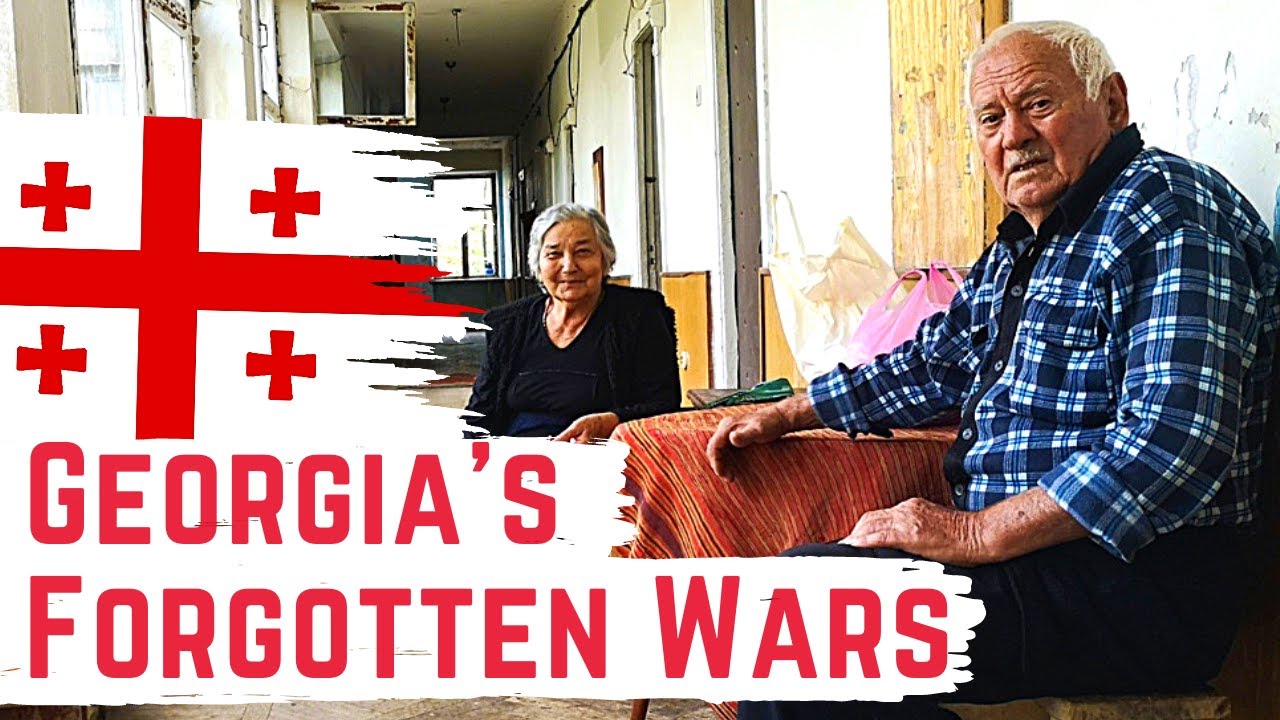
The Abkhaz conflict and Ossetia conflict saw persecution of ethnic Georgians. 300,000 Georgian civilians were forced to flee as IDPs (internally displaced people). Many found empty rooms in old, abandoned soviet facilities like sanatoriums and have lived there ever since. I met some of them, and saw their “temporary” accommodation. Despite promises of returning home in the future, some have been stuck there for 28 years.
In the separatist states, Abkhaz and Ossetian families moved into homes left by Georgian IDPs. Now, Georgians are not allowed across the border to Abkhazia or Ossetia. It’s difficult for nationalities other than Russians to obtain an Abkhaz visa on the Georgian side of the border. Russia supported Abkhazia and South Ossetia in the conflicts, and has integrated their militaries into its own. To many Georgians, 20% of Georgian land is currently occupied by Russia.
How does this link to the Georgian protests? In Tbilisi, a summit was arranged by Georgian officials, who invited a Russian MP to Georgia and allowed him to sit in the chair of the speaker of Georgian parliament. Nino, a peace builder who facilitates talks between those on opposing sides of the wars, said this was symbolic; many Georgian people found it disrespectful, considering the fighting against Russian-backed forces.
Protestors gathered outside Georgian parliament, and were met with a heavy-handed response from police, who were following the orders of Giorgi Gakharia, the Minister of Internal Affairs in Georgia at the time. Several protestors lost eyes to rubber bullets fired by riot police in the 2019/2020 Georgian protests, sparking more outrage, and protestors flooded the streets night-after-night for months, protesting police brutality and Russian occupation.
What happened after the Georgian protests? Early elections were granted and officials who organised the summit with the Russian politician resigned. But Gakharia didn't resign. In fact, he went on to become Georgia’s Prime Minister, as head of the Georgian political party “Georgian Dream”.
Accompanying article: https://tieranmeetstheworld.com/tbili...
I spent a week in Svaneti, an isolated region in the Caucasus mountains. Svaneti is cut off from the rest of the world during the harsh winters, has it’s own Svan language, and is dotted with old Svan towers - defensive houses that the Svan people used for protection until the late 1990s, when the area became more stable. A 5-day trek there was stunning, but with no phone service, I had no idea that after cycling through Georgia to Tbilisi, I’d be thrust into the midst of protests.
Protestors demanded early Georgian elections and the resignation of several officials, including Giorgi Gakharia, the Georgian Minister of Internal Affairs. To understand why the 2019-2020 Georgian protests happened, we have to take a few steps back.
UPDATE: Gakharia resigned as Georgia’s Prime Minister in February 2021, due to the arrest of a political opposition leader, which he argued would cause “political escalation”. That Georgian politician was charged with “inciting mass violence” in the 2019 and 2020 protests.
00:00-03:19 - Tranquility in Svaneti
03:20-05:19 - Cycling to Tbilisi
05:20-07:17 - 2019/2020 Tbilisi Protests
07:18-09:57 - Abkhazia and Ossetia Conflicts
09:58-11:52 - Nino Explains the Tbilisi Protests
11:52-14.25 - Final Thoughts
Повторяем попытку...
Доступные форматы для скачивания:
Скачать видео
-
Информация по загрузке: