Understanding Planetary Motions and Retrograde Motion
Автор: Jason Kendall
Загружено: 2025-03-21
Просмотров: 747
Описание:
This video is part of a comprehensive series initially developed for William Paterson University and CUNY Hunter, aimed at supporting online classes and course materials for introductory astronomy. By engaging with all the videos within this series, you will effectively complete a full undergraduate course in astronomy, equipping yourself with the knowledge and skills necessary to navigate the night sky with confidence, learning all the basics and many advanced topics!
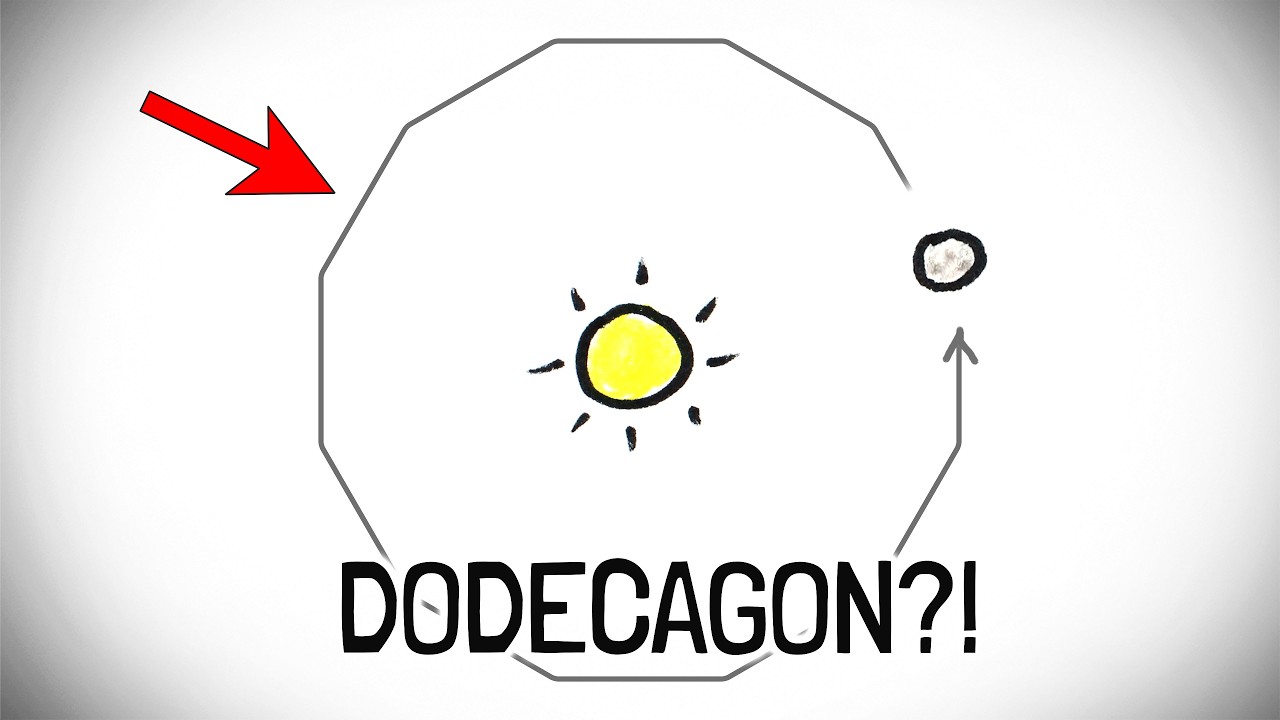
In this session, I will undertake an exploration of planetary motions as they are observed from Earth, with a particular focus on the movement of Mars in the night sky. Utilizing a simulation that projects into May 2044, I will demonstrate how Mars changes its position relative to the background stars over time. This dynamic observation provides a practical framework for understanding the complexities of planetary motion and the phenomena associated with it. One of the most intriguing features we will observe during this simulation is the concept of retrograde motion. Retrograde motion refers to the apparent westward movement of Mars against the backdrop of stars. This optical illusion occurs due to the relative positions and velocities of Earth and Mars within their respective orbits around the Sun. As Earth orbits closer to the Sun and moves at a faster velocity, it eventually overtakes Mars in its orbit. This process of “lapping” Mars creates the illusion of the planet moving backward in the night sky, a phenomenon that can be observed with other planets as well. For instance, Mercury also exhibits retrograde motion, which occurs specifically when it is at inferior conjunction—positioned directly between Earth and the Sun. Due to Mercury’s proximity to the Sun, observing this planet can present challenges; thus, proper timing is essential for successful observation. In our simulation, you will observe the equatorial grid, the paths of planets (both prograde and retrograde), and the manner in which planetary orbits manifest in the sky. Notably, the red line will represent Mercury’s orbit, serving as a reminder that planets follow elliptical paths rather than perfect circles, a principle established by Johannes Kepler in his laws of planetary motion. Kepler’s laws elucidate these motions, positing that planets situated closer to the Sun traverse their orbits at increased velocities compared to those located further away. This fundamental understanding of orbital dynamics clarifies that retrograde motion is not a true reversal in the direction of a planet’s travel, but rather an observational effect resulting from the relative speeds and positions of Earth and the other planets in their orbits around the Sun. Throughout the simulation, you will also notice the Sun’s ecliptic path, which represents Earth’s orbit projected onto the celestial sphere. This projection provides critical context for understanding how celestial bodies interact and move in relation to one another. The right ascension and declination grids will serve as important reference points, aiding in the identification of celestial objects and their positions in the night sky. By gaining insight into these planetary movements, we can better appreciate the intricate dance of planets within our solar system. Such knowledge not only enhances our understanding of celestial mechanics but also fosters a deeper connection with the cosmos. Through the lens of simulation technology, we are afforded the opportunity to visualize and comprehend the complexities of planetary motions, enriching our overall experience of astronomy and our place within the universe.
Stellarium: http://www.stellarium.org
#PlanetaryMotions #RetrogradeMotion #MarsInTheNightSky #Astronomy#CelestialDynamics #KeplersLaws #SolarSystem #Stellarium #AstronomyEnthusiasts #NightSkyObservation #PlanetaryOrbits #EclipticPath #EarthAndMars #spacesimulation #Astrophysics
Повторяем попытку...

Доступные форматы для скачивания:
Скачать видео
-
Информация по загрузке: