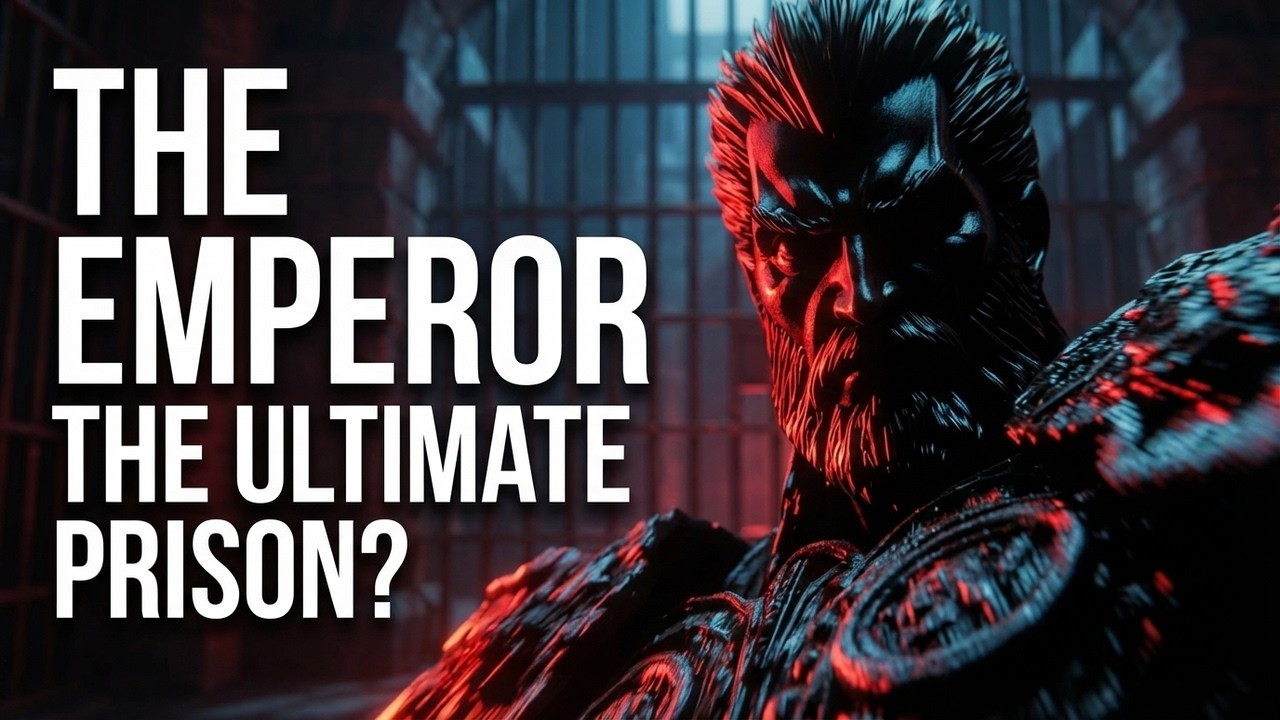
The Emperor Archetype Explained — Power, Leadership, Civilization, and the Philosophy of Order
Автор: Quiet Resistance
Загружено: 2026-03-15
Просмотров: 4
Описание:
If the Empress represents the generative power of life, the next stage of the symbolic journey introduces structure, authority, and control. The Emperor tarot card represents order, stability, hierarchy, and the organizing principle that gives form to the living world. In the system of tarot symbolism and archetypal psychology, the Emperor represents the structure that makes civilization possible.
Where the Empress creates life, the Emperor structures it. Where she nurtures growth, he governs and protects. If she represents nature, fertility, and abundance, the Emperor represents culture, law, and social order. He is the principle of order imposed upon chaos — the force that establishes boundaries, rules, and institutions.
The Emperor symbolizes the creation of systems that regulate human life. Without structure, abundance becomes chaos. Without rules, growth becomes disorder. The philosophy of order teaches that stability requires discipline, hierarchy, and responsibility.
From the perspective of Jungian psychology, the Emperor corresponds to the Father archetype — authority, protection, discipline, and structure. This archetype represents the psychological force that creates internal order within the individual. It establishes personal boundaries, responsibility, rational control, and identity.
Psychologically, the Emperor represents reason over impulse, discipline over instinct, and long-term stability over immediate desire. He symbolizes the development of self-control and personal authority. In personal growth psychology, this stage reflects the moment when a person builds internal structure and takes responsibility for their actions.
However, the Emperor archetype also contains a shadow side. Order can become rigidity. Authority can become domination. Structure can become oppression. The same power that protects can also control excessively. The Emperor therefore represents both stability and the danger of excessive authority.
This archetype appears across mythology, religion, and philosophy.
In Greek mythology, the Emperor resembles Zeus, ruler of the gods and guardian of cosmic order. Zeus establishes law after primordial chaos and maintains hierarchy among divine and human worlds. He represents sovereignty, authority, and structured power.
In Roman tradition, this principle becomes clearer through Jupiter and the concept of imperial rule. The ruler embodies law and social order. Authority becomes a sacred responsibility necessary for maintaining stability.
In Egyptian mythology, the Emperor resembles Osiris as the civilizing king who establishes social structure and moral law. Egyptian pharaohs were seen as guardians of Ma’at — the cosmic order that maintains harmony in the universe. Here the Emperor represents the idea that order is necessary for existence.
In Christianity, the Emperor reflects divine authority and moral law. The concept of God as cosmic ruler represents order, justice, and responsibility. Medieval political thought also viewed kings as defenders of social structure and guardians of stability.
In Jewish tradition, the Emperor archetype appears in the idea of divine law as the foundation of meaningful existence. Law provides structure, limits chaos, and allows society to function.
In Buddhism, although there is no creator ruler, the Emperor finds a parallel in the concept of Dharma — universal law that structures reality. Discipline and alignment with natural order create stability and spiritual development.
In Islamic thought, the Emperor reflects divine sovereignty and the idea that reality is governed by higher principles. Authority represents responsibility before divine order rather than personal power.
Norse mythology provides powerful examples of this archetype. The Emperor resembles Odin as ruler of the gods and organizer of cosmic structure. Another parallel is Tyr, the god of justice who sacrifices his hand to bind chaos, symbolizing that order requires sacrifice and responsibility.
From Joseph Campbell’s hero’s journey perspective, the Emperor represents established authority and the structured world that the hero must face, challenge, or inherit. He represents the system of rules and institutions within which transformation occurs.
The visual symbolism of the Emperor tarot card reinforces these meanings. The stone throne represents stability and permanence. The ram heads symbolize strength, leadership, and determination. The barren mountains reflect unchanging structure. The armor suggests protection of order. The scepter and orb represent authority over material reality. His rigid posture expresses control, discipline, and certainty.
Unlike the living environment of the Empress, the Emperor’s world is structured and stable. He does not create life — he organizes it.
Повторяем попытку...
Доступные форматы для скачивания:
Скачать видео
-
Информация по загрузке: