The Seated Woman of Çatalhöyük
Автор: STRUCTURE: BEYOND
Загружено: 2025-06-24
Просмотров: 749
Описание:
Long before the pyramids. Before written language. Before metal. There stood one of humanity’s earliest cities—Çatalhöyük. And hidden beneath its ancient mudbrick walls lay a silent figure. A clay woman seated in power… or mystery.
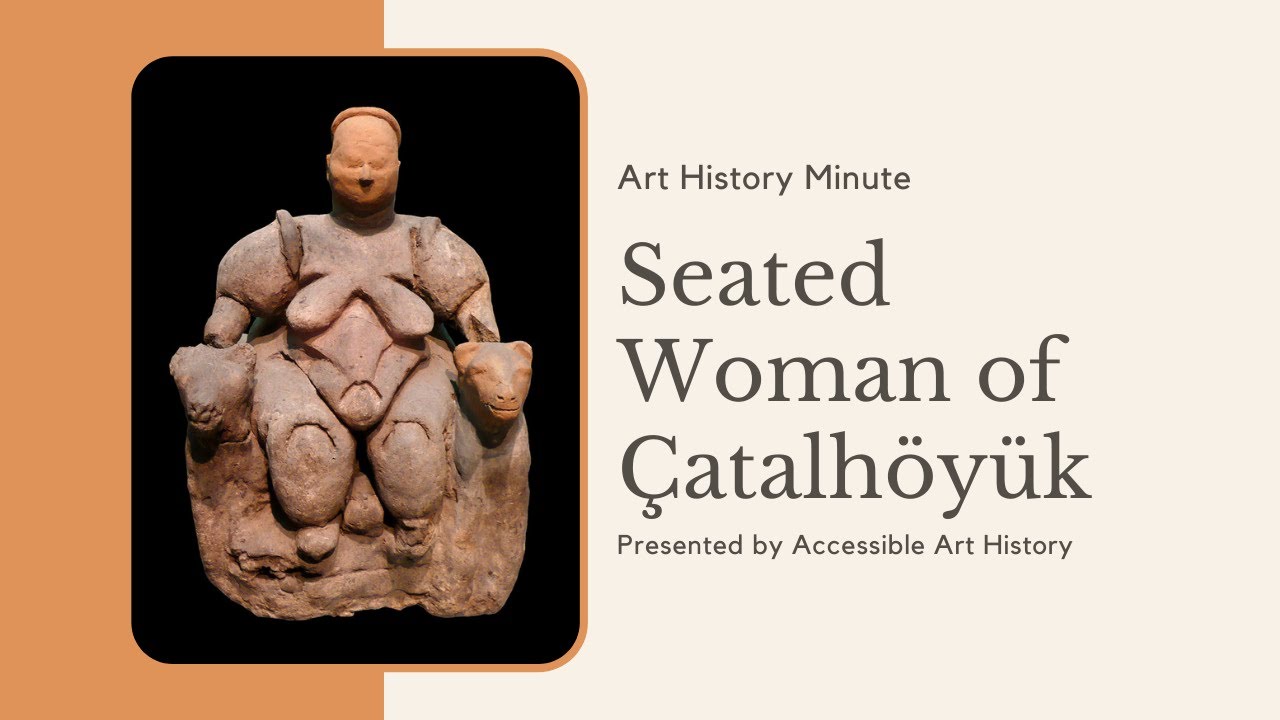
The Seated Woman of Çatalhöyük, sculpted over 8,000 years ago, is one of the oldest known depictions of the human form. This small baked clay figurine shows a broad-hipped, large-breasted woman sitting on a throne—her arms resting on the backs of two large felines, likely leopards or lions. Her body is exaggerated: not in mockery, but in reverence to life itself—birth, fertility, survival.
But what did she really mean to the people who shaped her with their hands, who fired her in clay ovens, who buried her deep in the earth?
For decades after her discovery in the 1960s by archaeologist James Mellaart, the Seated Woman was hailed as evidence of an ancient “Mother Goddess” cult—a divine matron who ruled fertility, the seasons, birth, and death. A figure of power in a world where life depended entirely on the earth’s unpredictable gifts.
This idea inspired countless books, theories, and myths—the belief that prehistoric societies, like Çatalhöyük, worshipped a Great Mother Goddess, long before male gods or kings took power.
But the truth… is harder.
And more human.
Modern archaeologists are cautious. At Çatalhöyük, no temples were found. No grand altars or written prayers. These figures—there were several—were small, personal, scattered across homes and garbage pits. Some were broken deliberately. Some hidden beneath floors.
Was she truly a goddess? Or a charm for good luck? A protector of the home? Or simply a symbol of womanhood, fertility, and survival in a harsh Neolithic world where every birth and every harvest could mean life or death?
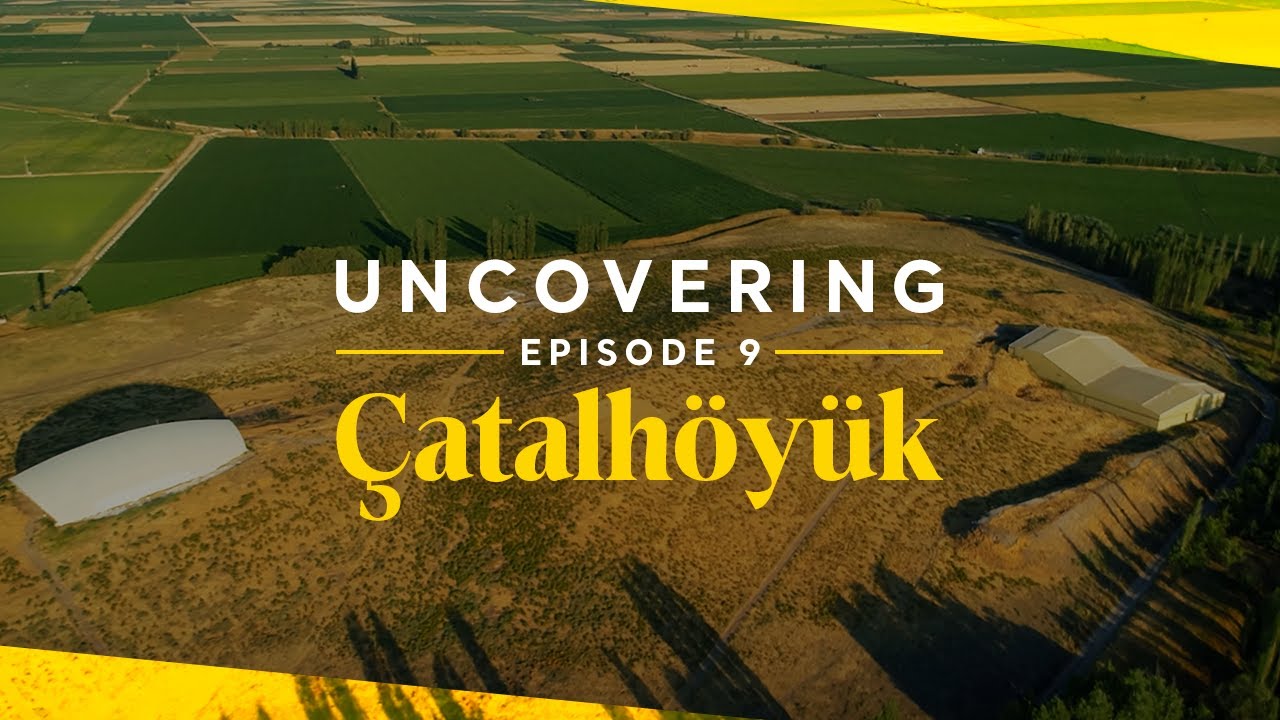
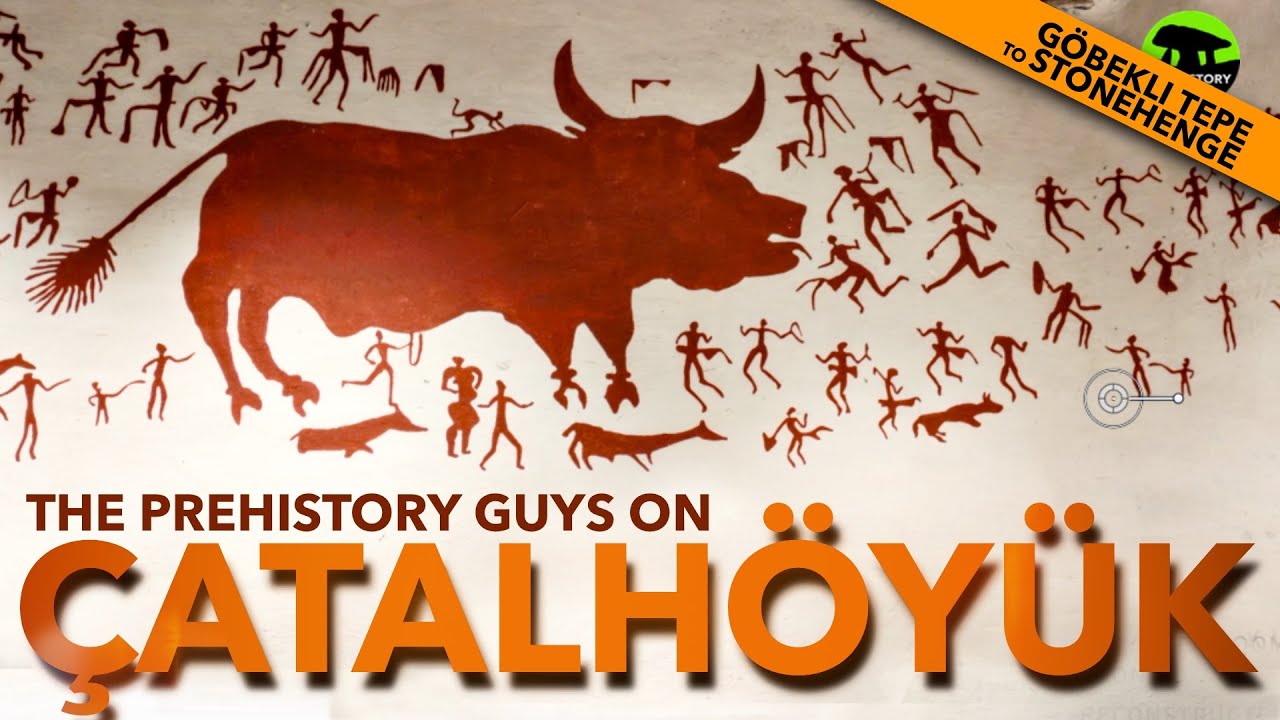
Çatalhöyük itself was unique. One of the oldest urban settlements ever found, located in modern-day Turkey, it housed perhaps 8,000 people. There were no streets—just mudbrick houses stacked and entered through the roofs. The dead were buried beneath the very floors where the living ate and slept. Life, death, family, and earth were one and the same.
And in this world, they made her.
Some researchers believe the Seated Woman may have reflected real Neolithic beliefs about women’s central role in survival, agriculture, and family life—not as a goddess, but as a vital earthly figure. Others point to the fierce leopards beside her throne—perhaps she represented a protector, a bringer of strength as well as life.
But no one truly knows.
No voice from Çatalhöyük remains to tell us why she was made.
And that is her greatest power.
She is the unknown mother. The lost queen. The watcher of 8,000 years.
Today, the Seated Woman of Çatalhöyük sits safely in the Museum of Anatolian Civilizations in Ankara, Turkey—still staring silently, still holding her ancient mysteries.
Not forgotten.
Not explained.
A clay symbol of everything we have lost… and everything that made us human.
⸻
#shorts
#Çatalhöyük
#Neolithic
#History
#Archaeology
#Goddess
#Fertility
#Symbol
#Turkey
#Discovery
#Ancient
#Artifact
#Prehistory
#Mystery
#Figurine
#Civilization
Повторяем попытку...

Доступные форматы для скачивания:
Скачать видео
-
Информация по загрузке: