ARGENTINA: ECONOMY ISSUES
Автор: AP Archive
Загружено: 2015-07-28
Просмотров: 237
Описание:
(27 May 1999) Spanish/Nat
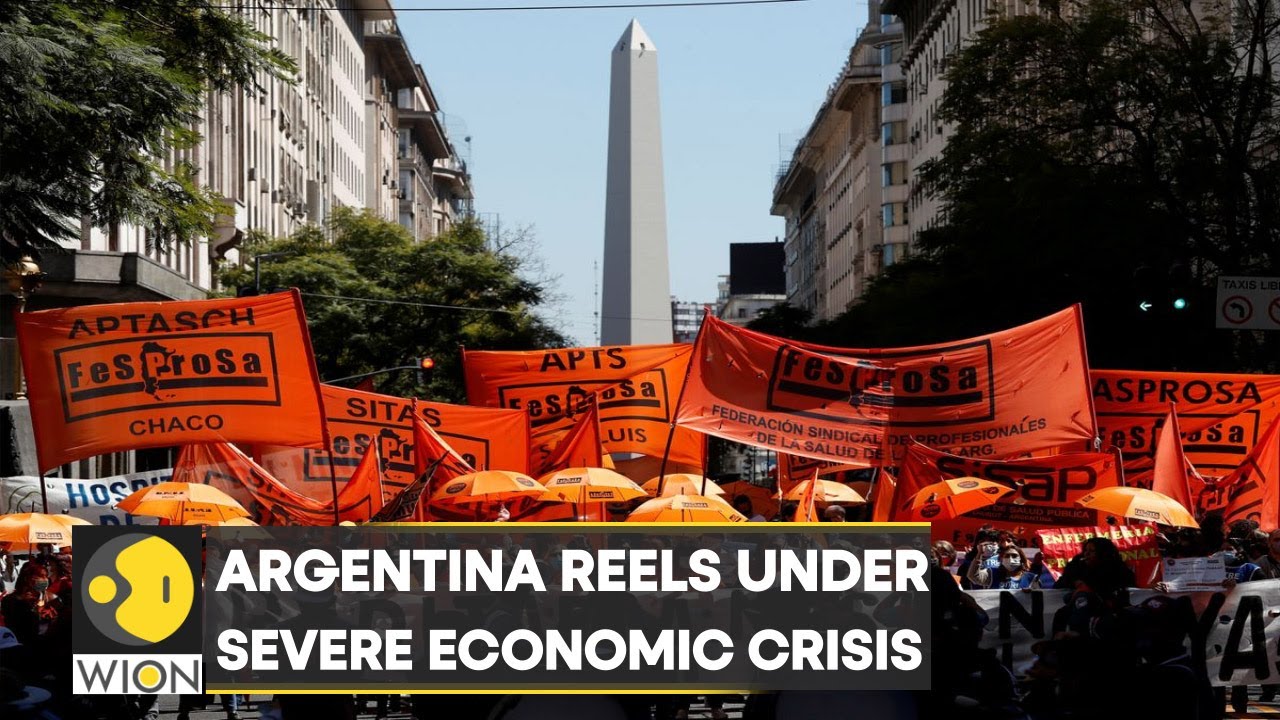
Argentine politicians, economists and bankers have insisted that the peso currency will not be devalued.
Their response is in the face of persistent fears of an Argentine devaluation that have hit
Latin American shares and currencies since last week.
Meanwhile international currency speculators have been testing the strength of the local peso's one-to-one peg to the dollar ahead of a potential 'dollarization' of the national economy.
Argentine shares and Brady bonds rose Wednesday, pulling up Latin American markets.
Buenos Aires blue chips jumped 4.31 per cent and Brazilian chips steamed ahead 6.06 per cent.
Following a week of speculation on the potential devaluation of the Argentinian peso currency, speculators insist the mood is calming in the market-place.
The International Monetary Fund dismissed doubts on the economy on Wednesday by approving its revised 1999 budget deficit target and saying the government was doing a "spectacular job" with prudent policies.
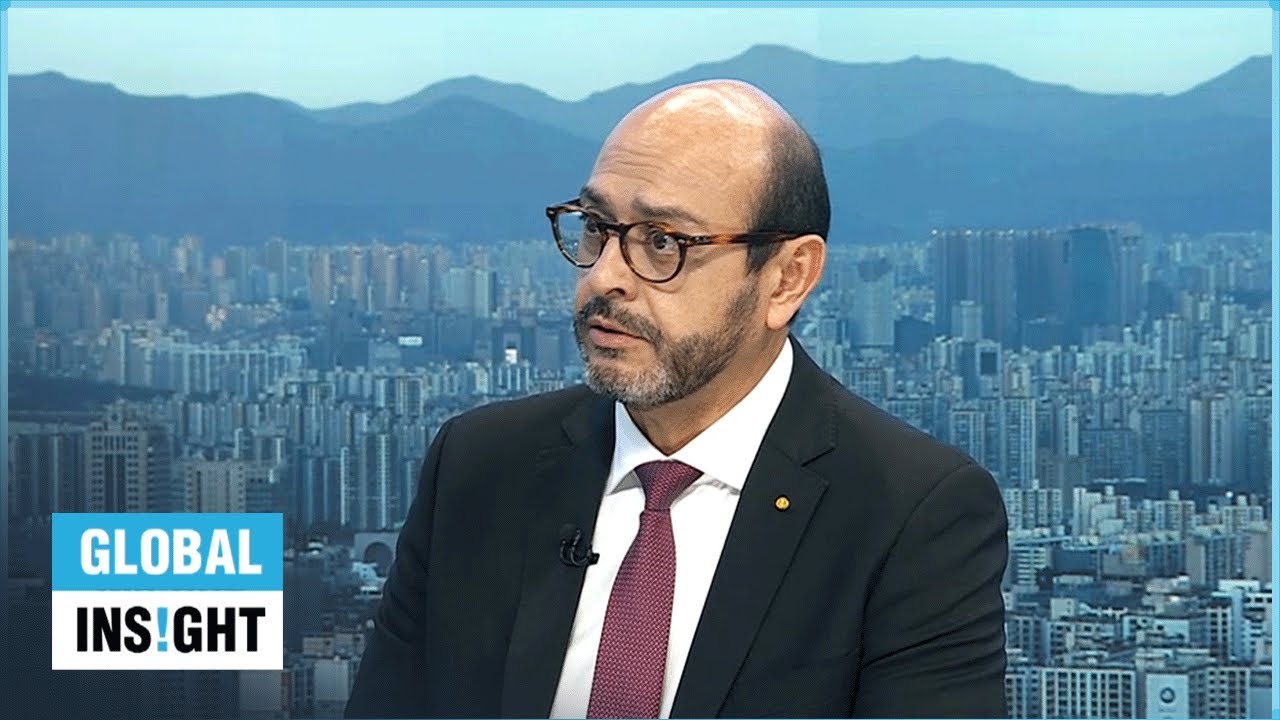
Roberto Aleman, a respected Argentinian economist, insists the economy is stable after its recent recession.
SOUNDBITE: (Spanish)
"We continue having a high deficit, our debt is increasing and we aim at refinancing in a major way the exterior nations. This creates a few worries about solvency and nothing more. When a situation arises like the one we saw last year in Russia, where they devalued their currency, the market assumed that a similar situation could arise in countries such as Argentina. So they dropped their prices in the bolsa, that had a knock on effect here, and as a result the interest rates went up. This was the cause of the recession we have suffered."
SUPER CAPTION: Roberto Aleman, Economist
Markets are already heartened by cross-party consensus for a new law to limit the budget deficit, with criminal charges for officials if tough targets are not met.
It was one of the conditions of a 2.8 (b) billion U-S dollar International Monetary Fund standby loan.
Argentina already shows much fiscal discipline and 1999's targeted deficit of 5.1(b) billion would be just over 1.5 percent of gross domestic product.
But markets have been worried by Menem's trouble enforcing 1.0 (b) billion U-S dollars of cuts promised to the IMF.
They also worry about the Brazil-inspired recession, which led the economy to contract 4.0 percent in the first quarter.
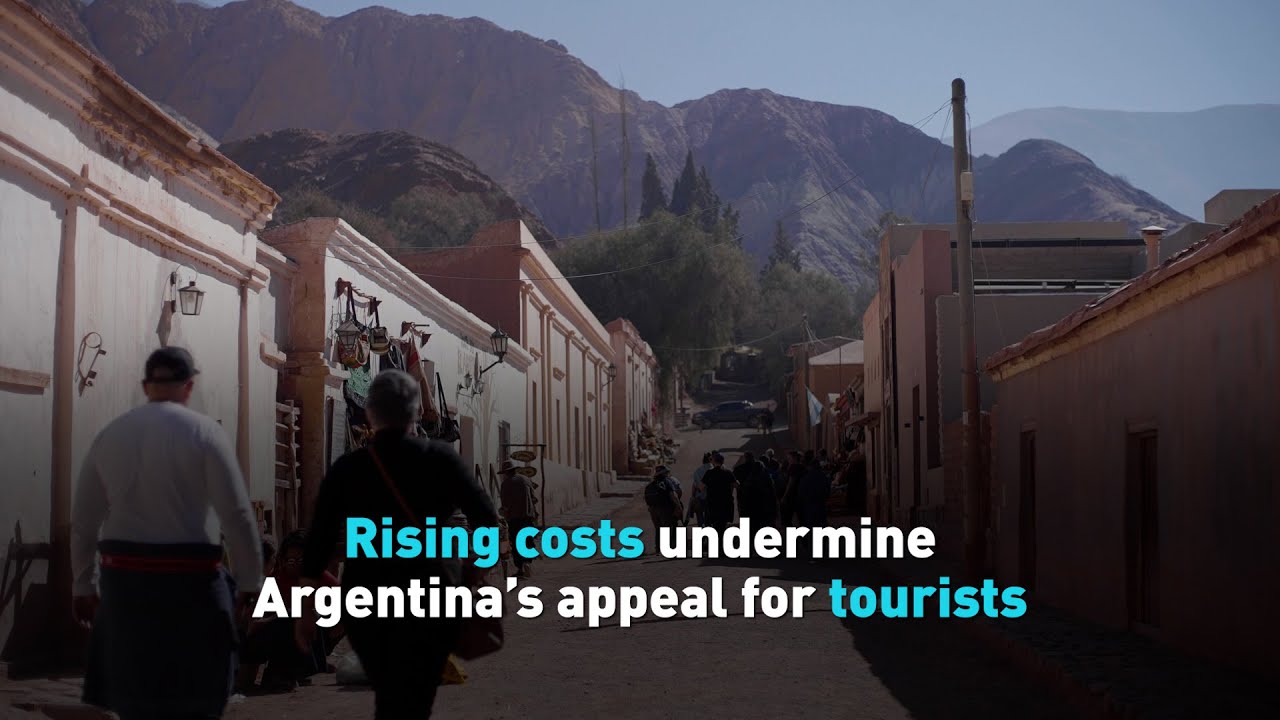
But on the high street, sales are still slow.
SOUNDBITE: (Spanish)
"From the middle of March we noticed the change. We noticed that buying was very different to previous years. There are always bad selling patches, but for the last two months we have felt a serious slump in buying."
SUPER CAPTION: Michel Angelo, Shop Manager
For many, the main topic now is the much-discussed 'dollarization' of the economy.
In 1991 the so-called "Convertibility Law" pegged the peso to the dollar and ruled that pesos in circulation must be matched by dollar reserves.
This has reduced rampant inflation to zero.
While the peso is used for day-to-day transactions in Argentina, most rent contracts, home sales, consumer loans and corporate bond issues are already in dollars.
Since Brazil's devaluation in January started a new crisis in emerging markets, Argentina has threatened to go over to the dollar completely via "monetary association" with Washington.
But even this has not slowed devaluation fears.
Last week saw investors pulled out of emerging markets to the safe haven of U-S Treasuries.
Despite the insistence of the government to the contrary, investor confidence in the Argentinian economy may take a while to return.
Find out more about AP Archive: http://www.aparchive.com/HowWeWork
Twitter: / ap_archive
Facebook: / aparchives
Instagram: / apnews
You can license this story through AP Archive: http://www.aparchive.com/metadata/you...
Повторяем попытку...

Доступные форматы для скачивания:
Скачать видео
-
Информация по загрузке: