Ficus: Who Discovered Its Life Energy, and What Are Its True Benefits and Proper Care?
Автор: Flowers World
Загружено: 2026-02-17
Просмотров: 11
Описание:
Ficus (Ficus): Who Discovered Its Life Energy, and What Are Its True Benefits, Risks, and Proper Care?
Ficus is one of the oldest and most widely recognized indoor plants in human history. Its roots trace back more than 6,000 years to Ancient Egypt and India, where it was not merely a decorative plant but a symbol of life, vitality, and protective energy within the home.
Each leaf was believed to represent youth, stability, and continuity. Its large, structured foliage not only captures attention but also contributes to indoor air quality, humidity balance, and psychological well-being.
Botanical Background
The genus Ficus belongs to the mulberry family (Moraceae) and originates from tropical and subtropical regions. Native to India, South Asia, and parts of tropical Africa, ficus species are known for their thick, durable leaves. Some varieties display elegant green foliage, while others feature cream or variegated patterns.
Among the most popular indoor species are:
Ficus elastica (Rubber Plant)
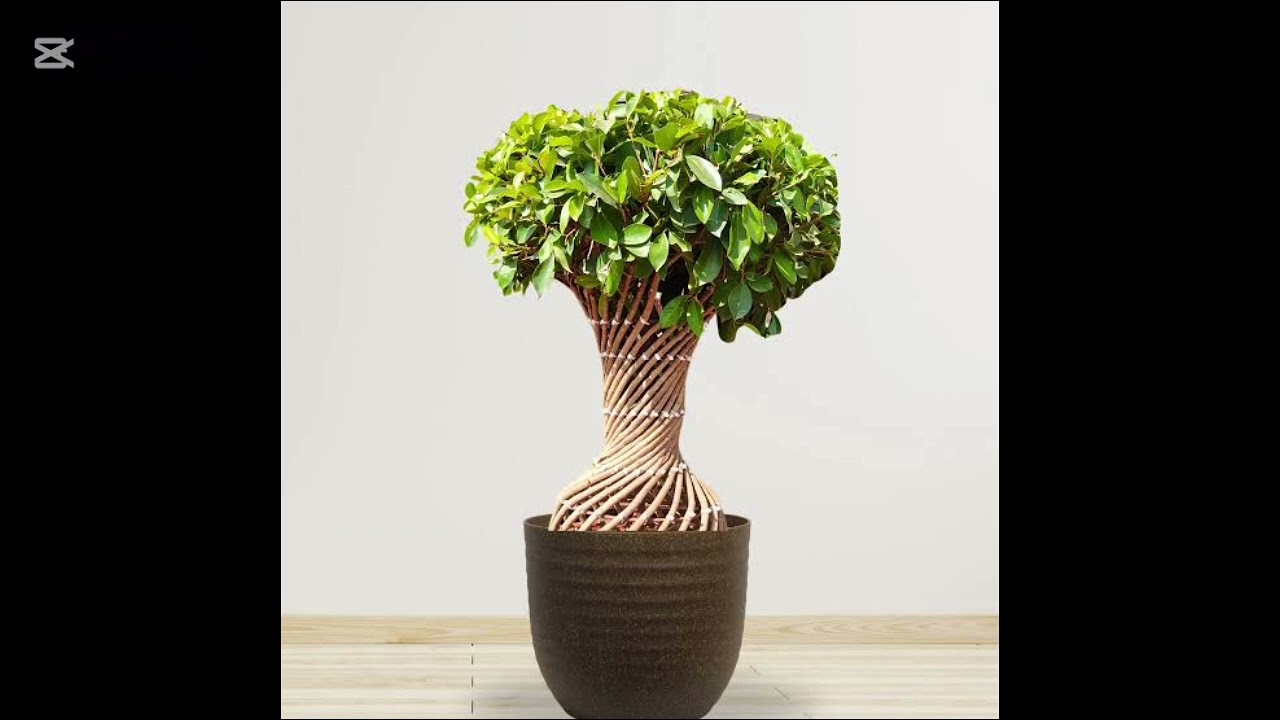
Ficus benjamina (Weeping Fig)
Ficus lyrata (Fiddle Leaf Fig)
Ancient Cultural Significance
In Ancient India and Egypt, ficus trees were regarded as sacred. They symbolized:
Protection of the household
Life force and longevity
Stability and prosperity
In India, certain ficus species were connected with spiritual enlightenment and sacred rituals. By the 20th century, ficus became one of the most popular houseplants in Europe and America, valued for both its elegance and resilience.
Benefits of Keeping Ficus at Home
1. Air Purification
Scientific studies on indoor plants suggest that certain ficus species can help reduce airborne toxins such as formaldehyde and benzene. While no plant can completely purify indoor air alone, ficus contributes positively to air quality and humidity balance.
2. Psychological and Emotional Impact
Large green leaves create a calming visual effect. Studies in environmental psychology show that indoor greenery reduces stress, improves focus, and enhances emotional stability.
3. Adaptability
Ficus plants are relatively easy to maintain. They can tolerate moderate light conditions and adapt to indoor environments when properly cared for.
Potential Risks
Despite its benefits, ficus requires responsible handling:
The sap contains mild toxins and may be harmful to pets or small children if ingested.
Overwatering can lead to root rot and leaf drop.
Direct, harsh sunlight may scorch leaves and cause discoloration.
Sensitive individuals may experience mild skin irritation from the sap.
Common Problems and Solutions
Black spots or mildew on leaves
Cause: Excess moisture and poor air circulation.
Solution: Remove affected leaves and reduce watering frequency.
Leaf drop or dryness
Cause: Underwatering, sudden temperature changes, or direct sunlight.
Solution: Maintain consistent watering and stable indoor conditions.
Slow growth or pale leaves
Cause: Nutrient deficiency.
Solution: Use balanced fertilizer during the growing season.
Care Guidelines
Place in bright, indirect light.
Avoid direct midday sun exposure.
Water 1–2 times per week, allowing the topsoil to dry slightly between watering.
Use well-draining soil.
Reduce watering during winter months.
Clean leaves periodically to remove dust and maintain photosynthesis efficiency.
Consistency is key — ficus prefers stable conditions and does not respond well to frequent relocation.
Interesting Facts
Some ficus species are considered sacred in Hindu and Buddhist traditions.
NASA’s indoor plant studies have listed certain ficus varieties among plants that may contribute to improved indoor air conditions.
Its large architectural leaves make it a favorite choice in modern interior design, symbolizing natural elegance and vitality.
Final Conclusion
Ficus is not just a decorative plant.
It is a symbol of vitality, stability, and natural balance.
When properly cared for, it enhances indoor aesthetics, supports air quality, and promotes psychological calmness. When neglected, however, it quickly shows signs of stress — much like any living organism.
In essence, ficus does not magically create energy. Rather, it reflects the care, attention, and environment you provide.
If you have a ficus at home, share your experience in the comments.
In upcoming videos, we will continue exploring the science, symbolism, and practical care of remarkable indoor plants from around the world.
Повторяем попытку...
Доступные форматы для скачивания:
Скачать видео
-
Информация по загрузке: