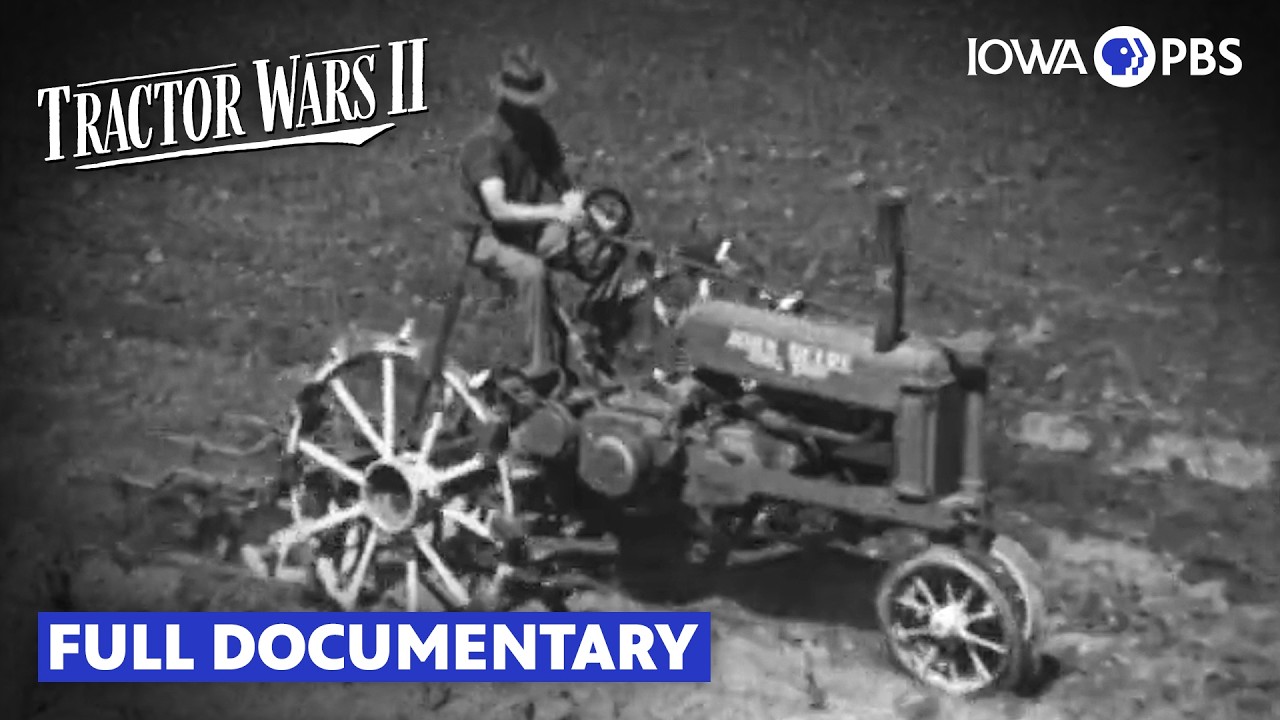
The Harvester Farmers Refused to Use — Until One Man Proved Them Wrong
Автор: American Ruins
Загружено: 2026-03-11
Просмотров: 69
Описание:
This is the knowledge that the mechanical grain harvester threatened to make worthless. And this is why, when the first mechanical reapers and the first combine harvesters began to appear in American farm communities in the latter half of the nineteenth century and the early years of the twentieth, the resistance they encountered was not simply the conservative stubbornness of men who feared change. It was the entirely rational response of people whose most valuable asset — the embodied knowledge of a craft developed over decades — was being declared obsolete by a machine that they had never operated, built by manufacturers they did not know, and promoted by salesmen whose relationship to the actual work of harvesting grain was limited to what they had observed from the seat of a demonstration wagon.
To understand the depth and the specific character of that resistance, you have to understand the world of the harvest as it existed in the farming communities of the American Midwest, the Great Plains, and the upper South in the decades surrounding 1900. The harvest was not simply an agricultural operation. It was a social institution, a community event, a concentrated period of collective effort that defined the rhythm of the rural year and structured the social relationships of farming communities in ways that went far beyond the economic purpose of bringing in the grain. Every person in a farming community understood the harvest and participated in it. Every person had a role — the skilled mowers who cut the grain, the binders who gathered and tied the cut stalks into sheaves, the shockers who stood the sheaves in the cone-shaped shocks that allowed them to dry, the children who carried water and raked loose grain from the stubble, the women who cooked the enormous midday meals that sustained the field crews through the long days of summer work.
_________________________
Our videos are based on historical research using archival materials. Whenever possible, we reference books, archives, museum collections, and historical websites that preserve the legacy of agricultural engineering.
Sources and References used for creating this video:
1. Smithsonian National Museum of American History – Agricultural Machinery Collections
2. International Harvester Historical Archives – Early Harvesting Equipment
3. Library of Congress – Historic American Agriculture Photographs
4. Farm Collector Magazine – Early Combine and Harvester History
5. National Agricultural Library – History of Grain Harvesting Technology
6. American Society of Agricultural and Biological Engineers – Mechanization of Harvesting
7. University of Illinois Agricultural Engineering Historical Archives
Повторяем попытку...

Доступные форматы для скачивания:
Скачать видео
-
Информация по загрузке: