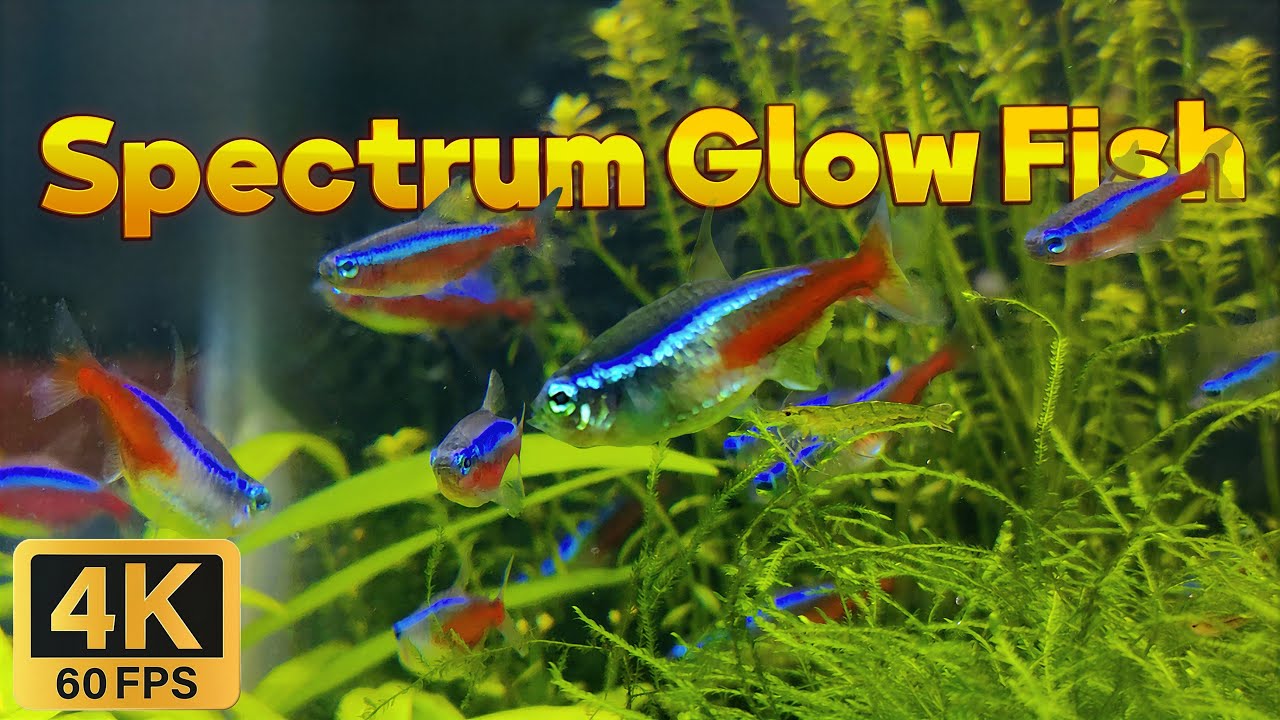
Amazing colorful fresh water aquarium fishes / 4K 60 FPS
Автор: RAS In Nature
Загружено: 2025-12-10
Просмотров: 185
Описание:
ATTENTION PLEASE:
All contents in this video are original and belong to the RAS in Nature channel. December 2025 .
Unauthorized use or reproduction without permission is prohibited
Freshwater aquariums are packed with species that bring color, movement, and personality into a tank. From peaceful schooling tetras to bold centerpiece fish like bettas and rainbow kribs, each species has its own quirks, needs, and behaviors. Understanding their natural. its, diets, and compatibility helps you create a stable, healthy aquarium while appreciating the unique traits of each animal.
Aquatic species in this video:
Tetra family:
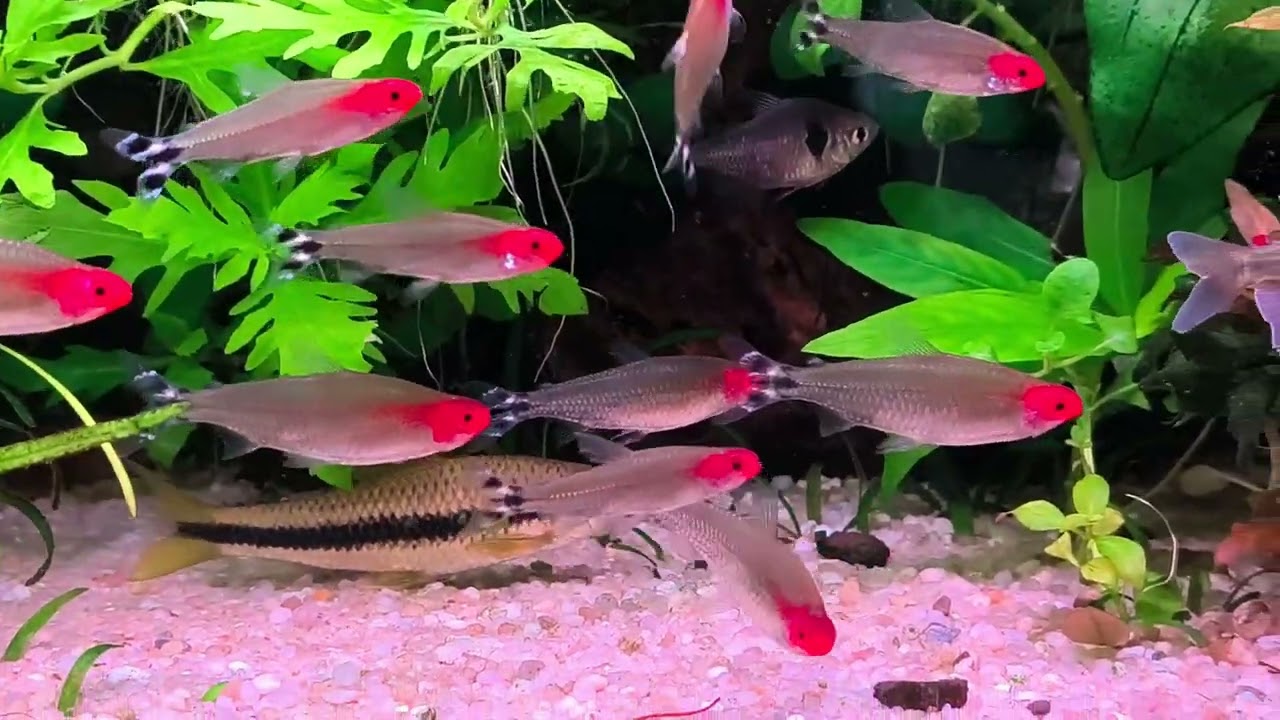
. Redeye tetra
. Neon tetra
. Cardinal tetra
. Serpae tetra
. Black neon tetra
. Glowlight tetra
. Buenos aires tetra
. Head-and-taillight tetra
Freshwater aquarium Shrimp
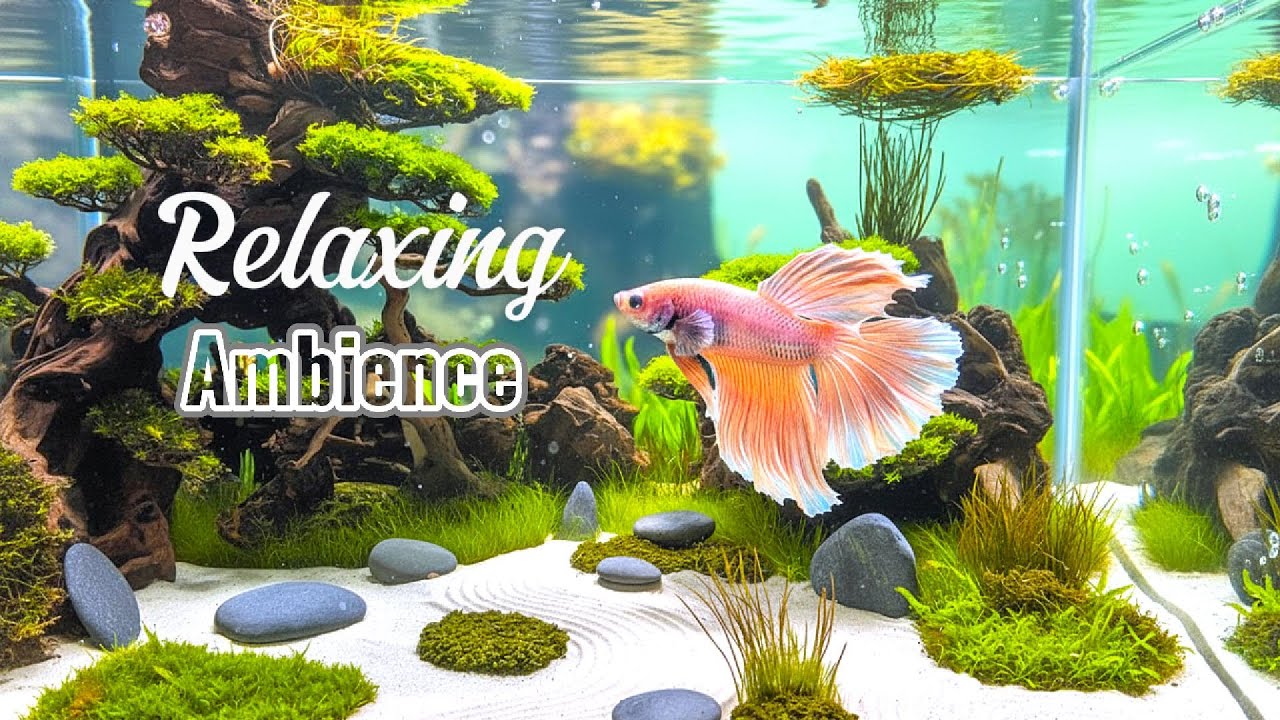
. Betta fish (Siamese fighting fish)
. Siamese algae eater
. Rainbow kribs
. Peppered catfish
. Gourami
. Kuhli loach
. Yoyo loach
. Rosy barb
. Denison barb (Red Line)
. Red-tailed black shark
Tetras like the neon, cardinal, black neon, glowlight, serpae, redeye, Buenos Aires, and head-and-taillight varieties are classic examples. They come from the Amazon basin and nearby regions where the water is warm, soft, and filled with leaf litter. Their bright stripes, glowing markings, and shimmering bodies evolved for visibility in dim or tannin-stained waters. These fish live in large schools, feel secure in groups of six or more, and thrive in planted tanks with open swimming space. Most are omnivores or micro-predators that readily accept flakes, micro-pellets, and small frozen foods. Some, like Buenos Aires tetras, are tougher and far less delicate but will happily destroy live plants if given the chance.
given the chance.
Shrimp such as Amano or cherry varieties share similar environments in nature—slow streams covered with algae, biofilm, and decaying leaves. They’re exceptional cleaners but extremely sensitive to copper and unstable water conditions. In contrast, betta fish evolved in shallow, oxygen-poor waters like rice paddies and marshes. They use a labyrinth organ to breathe air directly from the surface and often build bubble nests. They’re carnivores at heart, preferring insect-based foods, and they must live alone because of their aggression toward their own species.
Other species come from faster or cooler waters. The Siamese algae eater inhabits forest streams and is one of the few fish that consistently eats black beard algae. Barbs like the rosy barb and the Denison (red line) barb are fast, energetic swimmers that need space and often cooler water. Denison barbs naturally come from crystal-clear, fast-flowing Indian rivers and look their best on a high-protein diet. Rainbow kribs from West Africa add color and strong parental behavior, defending their fry fiercely in aquariums just as they do
among roots and caves in the wild.
Bottom dwellers play a major role too. Peppered catfish—one of the hardy Corydoras species—spend their lives sifting through soft substrates for food and even gulp air at the surface using a modified intestine. Loaches like the kuhli and yoyo prefer hiding spots, sand, and dim conditions; kuhli loaches wiggle like tiny snakes through leaves and decor, while yoyo loaches form active social groups and display bold patterns that literally spell “YO-YO” when young. The red-tailed black shark, despite its name, is actually a carp from Thailand’s shallow streams. It’s territorial, sleek, and needs enough room to claim its space without harassing tankmates.Across all these species, feeding is generally simple: most accept a mix of flakes, pellets, live or frozen foods, algae wafers, and vegetables depending on their natural diet. The key to keeping them healthy is consistent water quality, proper tank mates, and an environment that mimics where they evolved—whether that means soft, acidic blackwater for delicate tetras, calm warm ponds for bettas and gouramis, high-flow setups for Denison barbs, or sandy, cave-filled bottoms for loaches and kribs.
Together, these fish create dynamic, colorful communities full of unique behaviors: glowing stripes used for communication, bubble nests floating at the surface, parents guarding their young, algae-eating machines scrubbing every surface, snakeshaped loaches disappearing into crevices, and territorial sharks that aren’t really sharks at all. Understanding where they come from and what they require is the foundation of keeping a thriving aquarium that reflects the natural beauty of the freshwater world.
ATTENTION PLEASE:
All contents in this video are original and belong to the RAS in Nature channel. December 2025 .
Unauthorized use or reproduction without permission is prohibited
Повторяем попытку...
Доступные форматы для скачивания:
Скачать видео
-
Информация по загрузке: