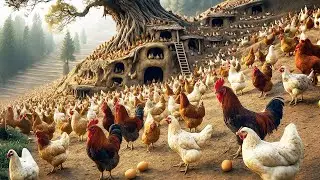
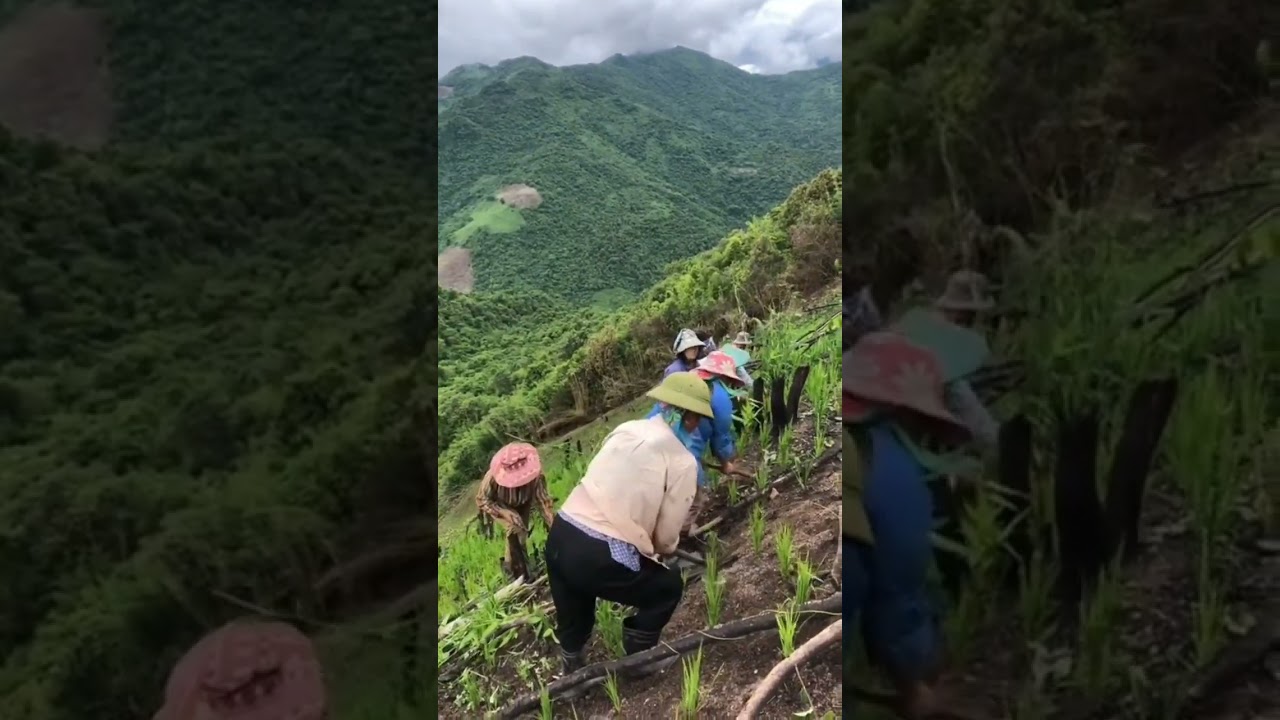
Grow rice on the mountain
Автор: wisdomfun
Загружено: 2025-02-15
Просмотров: 34
Описание:
A little tip helps you become smarter!
The following is an analysis of the reasons why rice can be grown on mountains and its effects:
Reasons why rice can be grown
• Water source conditions: Some mountainous areas are endowed with abundant water sources such as mountain springs, streams, or reservoirs. Through the construction of irrigation facilities like ditches, water can be channeled into rice paddies, meeting the water requirements for rice growth.
• Soil characteristics: The soil in some areas of the mountains, after long - term weathering and the accumulation of humus, has certain fertility and the ability to retain water and nutrients. After improvement, it can be made suitable for rice growth. For example, some red soils rich in humus fall into this category.
• Climatic factors: In some mountainous areas with low latitudes or relatively low altitudes, the climate is warm and humid, with sufficient sunlight and a relatively large temperature difference between day and night. This is conducive to the photosynthesis and nutrient accumulation of rice. The climatic conditions such as temperature, sunlight, and precipitation can meet the needs of the rice growth cycle.
• Technical support: The development of modern agricultural technologies, such as terrace construction techniques and variety improvement, provides technical guarantees for growing rice on mountains. Building terraces can prevent soil erosion, maintain soil fertility, and make effective use of mountainous space. Moreover, rice varieties adapted to mountainous environments are continuously being cultivated, improving the adaptability of rice to mountainous planting.
Effects of growing rice on mountains
• Increasing food production: It can make full use of mountain resources, expand the rice - planting area, provide more food for local residents, ensure food security to a certain extent, and reduce dependence on external food supplies.
• Soil and water conservation: The ridges and vegetation in rice paddies can effectively slow down the scouring of rainwater on the slopes, reduce soil erosion, protect the mountain ecological environment, and lower the risk of natural disasters such as mudslides.
• Promoting ecological balance: The rice paddies on mountains provide habitats and foraging grounds for many insects, birds, and other organisms, enriching biodiversity and contributing to the balance of the mountain ecosystem.
• Developing characteristic agriculture: It can be combined with local tourism resources to form unique agricultural landscapes. For example, the Yuanyang Terraces in Yunnan attract tourists for sightseeing, promoting the development of local tourism and increasing farmers' income.
• Cultural inheritance: Growing rice on mountains often embodies unique farming cultures and traditional techniques, such as terrace reclamation and irrigation techniques. This is conducive to inheriting and promoting local farming cultures, enhancing cultural identity and national pride.
Повторяем попытку...
Доступные форматы для скачивания:
Скачать видео
-
Информация по загрузке: