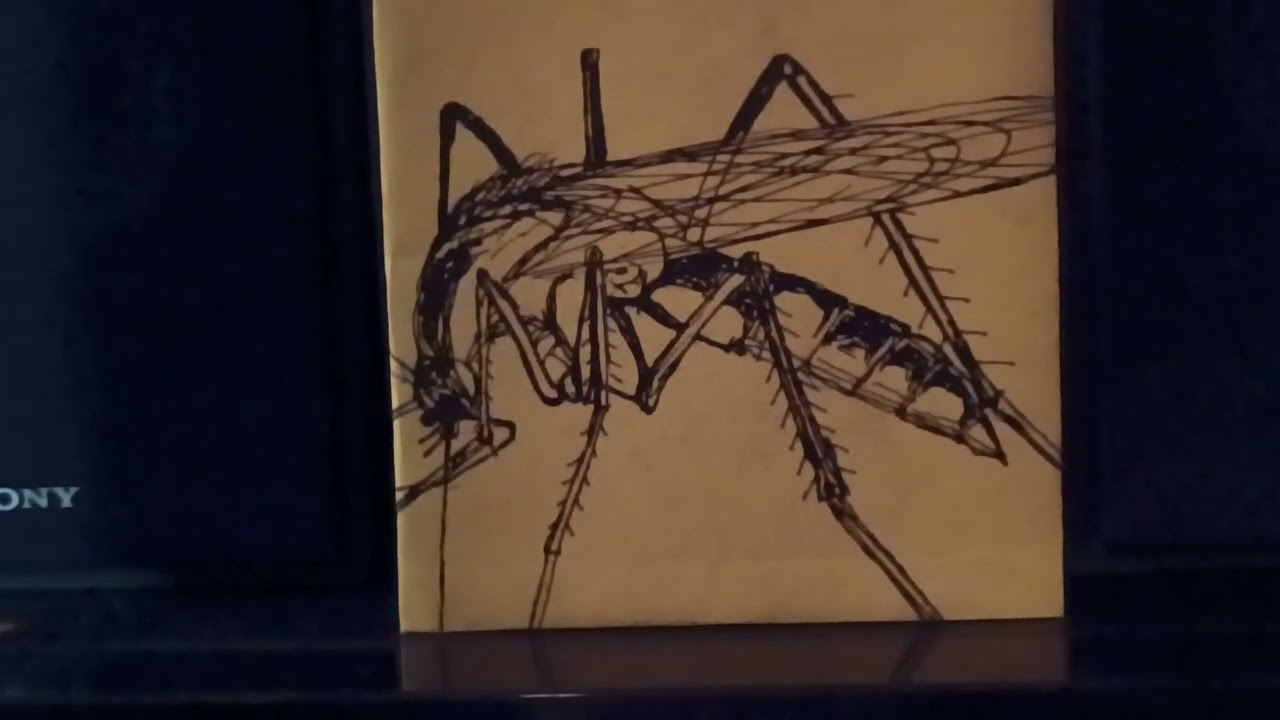
Dionalisa (details in the description)
Автор: = M =
Загружено: 2026-02-06
Просмотров: 40
Описание:
D I O N A L I S A
Time brings lessons. Lessons can be new, or old. They can reiterate, or iterate. Iteration is often highly unnoticed, possibly because of the importance of reiteration. Lessons learned do in fact need to be reiterated so as not to repeat them, and for reminder of their existence. However, reiteration does not serve the same function as iteration.
Without a good process and rhythm for reiteration, lessons of the past can fall to the wayside over time. This is the source of the oft-cited (and subsequently 'approximate') quote "he who does not know history is doomed to repeat it." Hence the value in the process and rhythm of reiteration, to those alive now; and to those who lived the lessons in the past, and to those who need to know the lessons in the future.
Music contains amazing lessons. Wondrous lessons. Incredible lessons. For countless topics, for countless different types of people.
One lesson, perhaps difficult to know from the audience's perspective, is how success can box a musician in, sometimes incidentally locking a musician into a path and/or out of his or her own true path. If you're to make a song which becomes successful, an audience can sometimes come to expect, or even demand, repeat performance or adherence to a sound or pathway. This reaction, this "boxing in", can be verifiably damaging to a musician's ability to access the muse or to iterate music.
One example of these lessons was iterated in 1965, when the fairly new (relatively speaking) creation of the electric guitar was put in the spotlight in a specific context of the folk idiom. (For, the truth of the matter is that the electric guitar was already present in the folk idiom, however the specificity had a very real effect and consequence.) The lesson was iterated then, and it has in fact been reiterated at various times since. Quite importantly reiterated, in fact.
Music generally being a technologically-related pursuit, new technologies contain new lessons and provide necessity and opportunity, both, for reiteration; reiteration being "hey, here's what we've learned so far", and iteration being "here's what we're figuring out now". Both parts are incredibly important, even essential, for accuracy.
So when I came upon a group, already in motion, called the Crooked Gospel of Western Civilization, and they asked if I'd like to make some music with them, I was open to possibility because of the lessons of the past I'd already learned and already heeded. I went into their world to explore the possibility of fitting in however I could or should. Or shouldn't, for that matter!
What I found, in the Crooked Gospel, was a group of people and a pile of instruments, each two of which finding a combination at various times, almost like a square dance, but less organized, and with people and instruments instead of with people only. At first glance at Crooked Gospel, I could hardly tell if anyone even had a "main instrument". It gave me an overall feeling that "yes, this will do just fine, thank you", and I could sense the smile of fate. The way that fate tells you "I'm bending toward you, I'm bending your direction."
I just about couldn't care what instrument I played with this group of people. The point of playing was to perform the song. To iterate the muse, to accommodate the visitation of the entity of music itself. And I certainly didn't mind playing drums. To the complete contrary, I can't tell you how much I enjoyed playing the drums on this song by the Crooked Gospel of Western Civilization, "Dionalisa."
=M=
Повторяем попытку...
Доступные форматы для скачивания:
Скачать видео
-
Информация по загрузке: