Why Houses Don't Sink: Footing Size Minimums
Автор: International Association of Certified Home Inspectors (InterNACHI)
Загружено: 2025-05-12
Просмотров: 667
Описание:
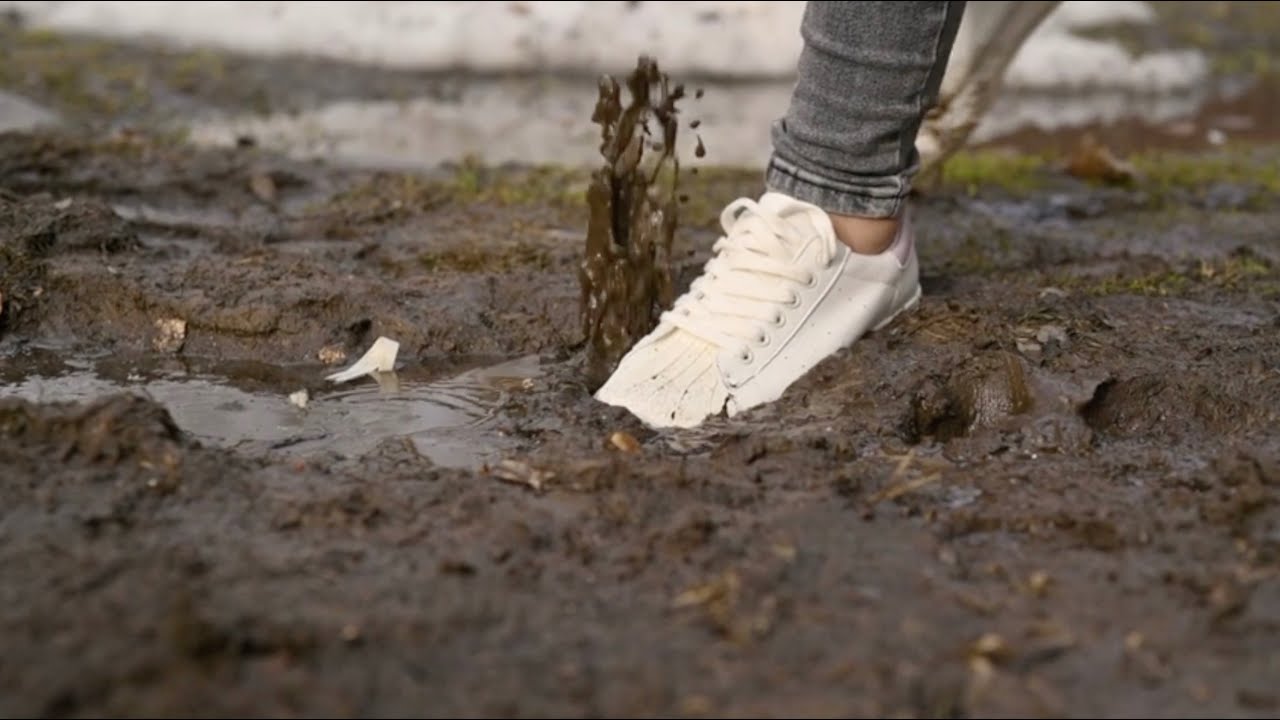
Why don't houses just sink into the ground, like stepping your shoe into mud? Well, the answer lies in footings. Footings. They're the sturdy, unseen heroes that keep a home standing tall. Think from like a, a solid pair of boots for a house. They distribute the weight of the house or the building evenly and prevent it from shifting, tilting, or slowly disappearing into the dirt.
So if you're building a house, you can't just plop it on the ground. Nope. Your house needs footings and footings are these thick slabs of concrete. Uh, sometimes they're crushed stone or masonry that spread the weight of a house. They go under the foundation walls and make sure that the home stays put.
Now footings can't just sit on any old dirt pile. The International Residential Code says they must be placed on undisturbed soil or engineered fill. And that's, um, dirt that's been compacted and tested. So footings underneath these crawlspace foundation walls, they need solid ground or properly prepped, fill beneath them.
And the IRC International Residential Code has a bunch of tables more than a furniture store, and they can tell how wide and deep the footing should be. But here's a quick version. Minimum footing thickness is six inches and it's thicker. If you have heavier loads. And the minimum footing width is 12 inches, so six by 12.
And if your house is really wide, the footings get wider. And if you have a basement or a crawl space like here, the footings are big enough to handle that extra weight of the foundation walls and the house above.
Повторяем попытку...
Доступные форматы для скачивания:
Скачать видео
-
Информация по загрузке: