Millipedes are not insects — and they evolved 400 million years ago
Автор: KahuPeak: Animal Facts & Tees
Загружено: 2026-02-15
Просмотров: 1225
Описание:
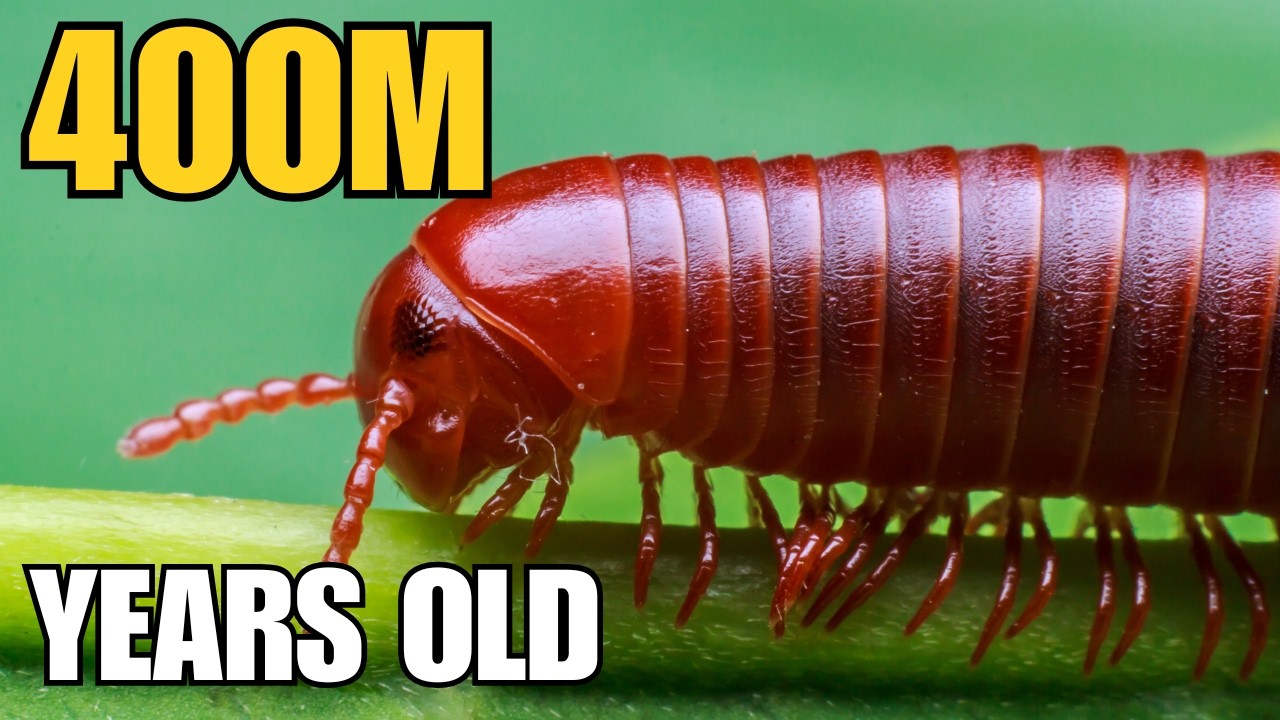
Millipedes belong to the class Diplopoda — a lineage of terrestrial arthropods that evolved over 400 million years ago during the Silurian period.
Despite their name meaning “thousand feet,” no millipede species naturally has exactly 1,000 legs. The current record holder is Eumillipes persephone, discovered in Western Australia in 2021, with up to 1,306 legs — the highest number ever documented in any animal species.
There are more than 12,000 described species worldwide, but biodiversity research suggests the true number may exceed 50,000–80,000 species. Millipedes inhabit every continent except Antarctica and are primarily found in moist environments such as forest leaf litter, soil layers, caves, and decaying wood.
Millipedes are detritivores. They feed on decomposing plant material and play a critical role in nutrient cycling, soil aeration, and ecosystem stability. Without millipedes and other decomposers, forests would accumulate massive layers of undecomposed organic matter.
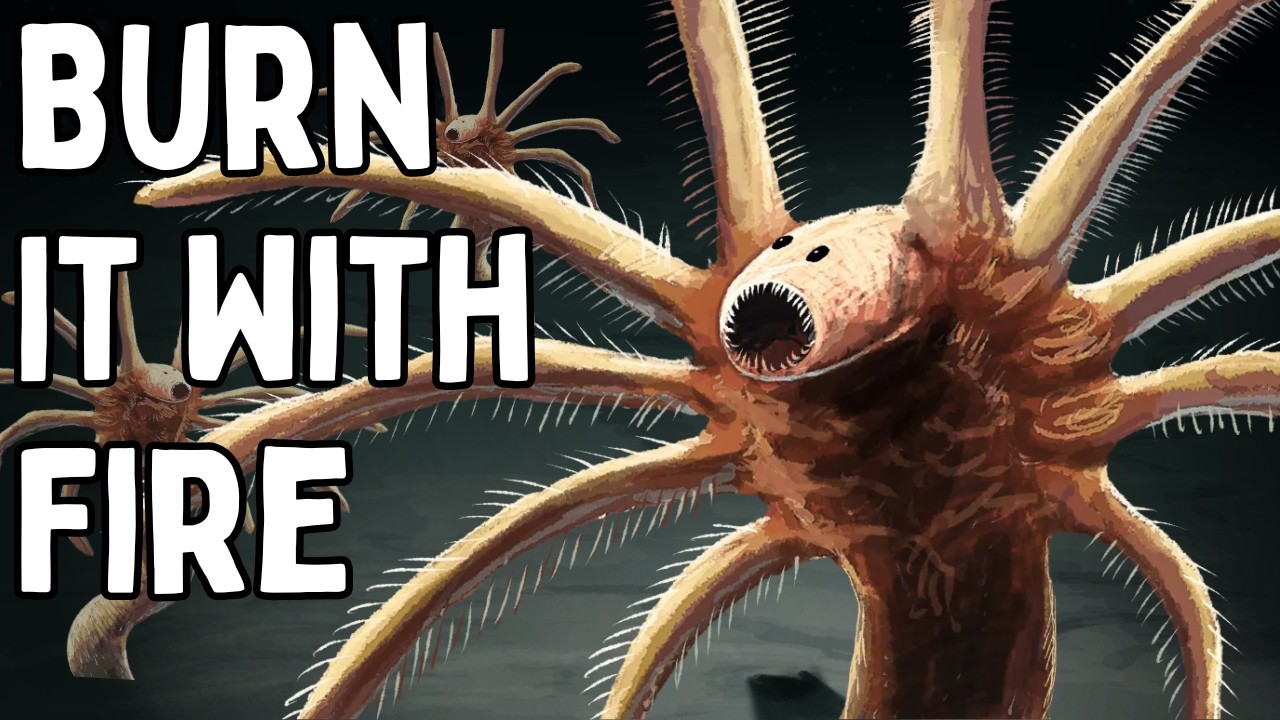
One of the most fascinating chapters in their history involves the extinct giant arthropod Arthropleura, which lived during the Carboniferous period and reached lengths exceeding 2 meters. Its massive size is linked to elevated atmospheric oxygen levels during that era.
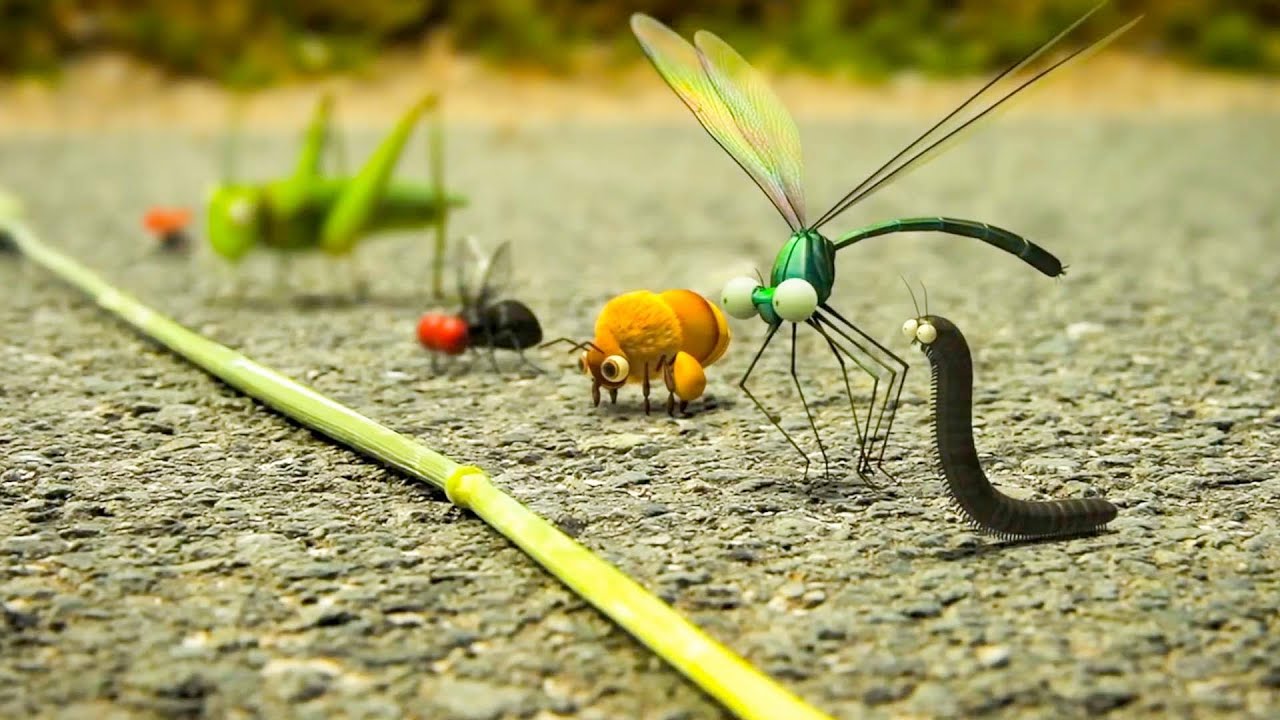
Millipedes are often confused with centipedes, but they are biologically distinct. Centipedes belong to the class Chilopoda and are fast-moving predators with venomous claws. Millipedes, by contrast, are slow-moving decomposers. Most body segments in millipedes are fused into diplosegments, each bearing two pairs of legs — a defining anatomical feature.
Their defense is chemical, not venomous. Many millipede species produce hydrogen cyanide, benzoquinones, phenols, or alkaloids to deter predators. Some species can cause temporary skin irritation in humans if handled.
Certain millipedes fluoresce under ultraviolet light due to compounds embedded in their exoskeleton. The evolutionary function of this fluorescence is still under scientific investigation.
Millipedes grow through a process called anamorphic development. Juveniles hatch with fewer body segments and legs, adding more with each molt. They breathe through spiracles connected to a tracheal system and are highly sensitive to desiccation, which is why they are mostly nocturnal and thrive in humid habitats.
Far from being pests, millipedes are essential ecosystem engineers. They are bioindicators of soil health and biodiversity.
Slow. Ancient. Chemically defended. And absolutely vital to life on land.
#millipede #sciencefacts #wildlifefacts #animalfacts #naturedocumentary #evolution #prehistoriclife #biodiversity #ecosystem #earthscience #biology #creaturefacts #didyouknow #weirdanimals #ancientlife #arthropods #forestlife #sciencetok #naturelovers #viralscience #kahupeak
https://shop.kahupeak.com
Повторяем попытку...
Доступные форматы для скачивания:
Скачать видео
-
Информация по загрузке: