Yanking Yams? No—Unearthing Cassava: How Farmers Harvest This Starchy Staple
Автор: Machines & Soil
Загружено: 2026-02-07
Просмотров: 35733
Описание:
Cassava Harvesting: A Delicate Balance of Force and Technique
For centuries, cassava has been a lifeline in tropical agriculture, feeding billions with its drought - resistant roots. Harvesting it demands more than brute strength—farmers rely on timing (waiting 6–24 months for roots to mature) and technique (avoiding cuts that spoil the tuber’s white flesh). This balance between tradition and practicality keeps cassava a staple across continents, from African villages to South American farms.
Root Maturity Matters: Cassava roots grow underground, swelling with starch over months. Harvesting too early yields small, low - starch tubers unfit for processing; too late risks rot or pest infestations that ruin entire crops. Farmers test readiness by gently tugging—if roots resist slightly, they’ve reached peak starch content, a skill passed down through generations of agrarian families. In Kenya, elders teach youth to “listen” for the subtle give of a mature root, a lesson rooted in oral traditions dating back centuries.
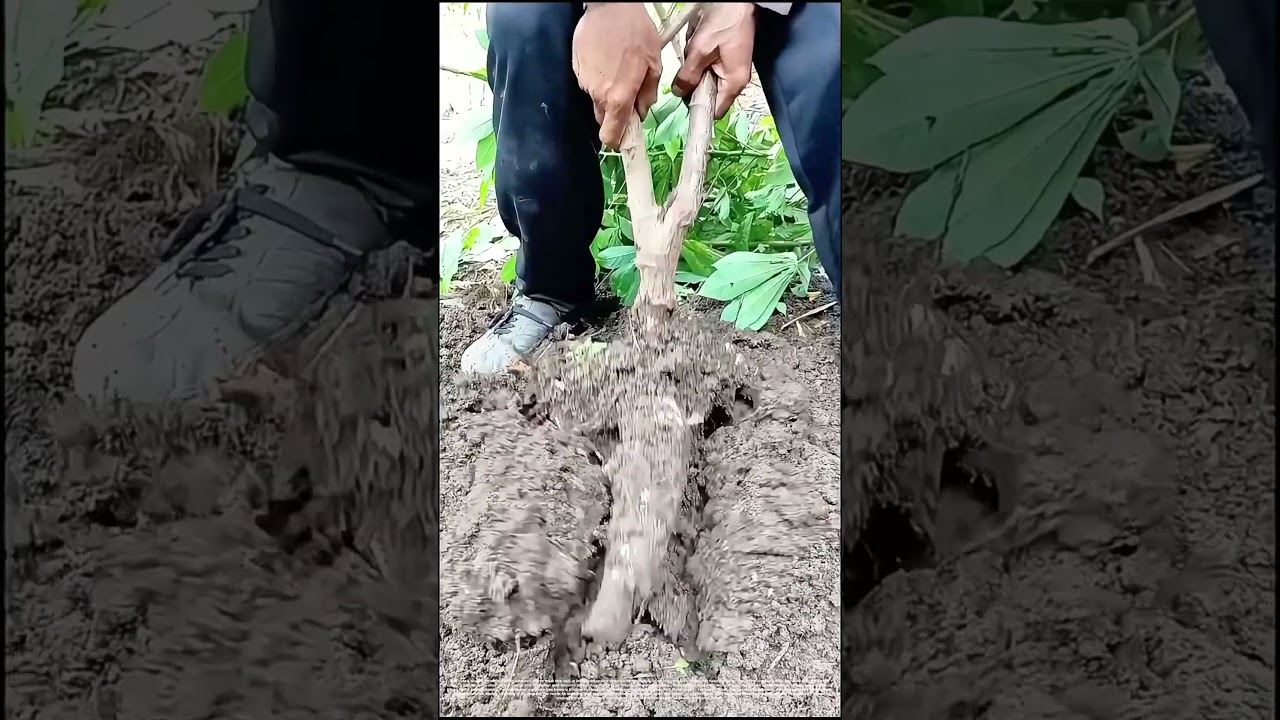
Tool - Assisted Traction: While hands steady the plant, most farmers use a hoe or digging bar to loosen soil around the cassava’s base. This prevents root breakage: a clean, intact tuber sells better and stores longer, crucial for households relying on cassava as a year - round food source. In Ghana, farmers report 30% higher market value for unbroken roots versus damaged ones, as wholesalers prioritize tubers that won’t spoil during transport.
Post - Harvest Urgency: Cassava roots deteriorate rapidly—within 48–72 hours, they develop toxic compounds if not processed. The quick - pull method gets tubers to drying racks (for flour or chips) or markets fast, preserving nutrients like carbohydrates, vitamin C, and iron. In Vietnam, this speed is key to supplying factories that turn cassava into biofuel and animal feed, linking smallholder farms to global supply chains. Without swift harvesting, the economic lifeline cassava provides would fray, leaving rural communities vulnerable.
Cultural & Economic Role: In Nigeria, cassava contributes to 70% of daily calories for rural families; in Thailand, it’s a top export. Harvesting techniques blend indigenous knowledge (knowing which roots to spare for replanting) with modern agronomy (using fertilizers to boost yields). This synergy keeps cassava relevant in a changing climate, as its drought resistance makes it a “climate - smart” crop. For example, in Mozambique, farmers use traditional intercropping (planting cassava with legumes) to improve soil health while maintaining harvests, a practice now endorsed by agricultural researchers.
This cassava harvest isn’t just about pulling roots—it’s about sustaining communities that have relied on this “tree potato” for centuries. Every tug connects past survival strategies to present - day food systems, proving that even the simplest farm tasks carry the weight of tradition and tomorrow’s meals. Whether feeding a family or fueling industry, cassava’s journey from soil to plate starts with a farmer’s careful pull, a gesture as old as agriculture itself. In a world grappling with food insecurity, this age - old practice reminds us that resilience often lies in honoring the wisdom of the land—and the hands that tend it.
Повторяем попытку...
Доступные форматы для скачивания:
Скачать видео
-
Информация по загрузке: