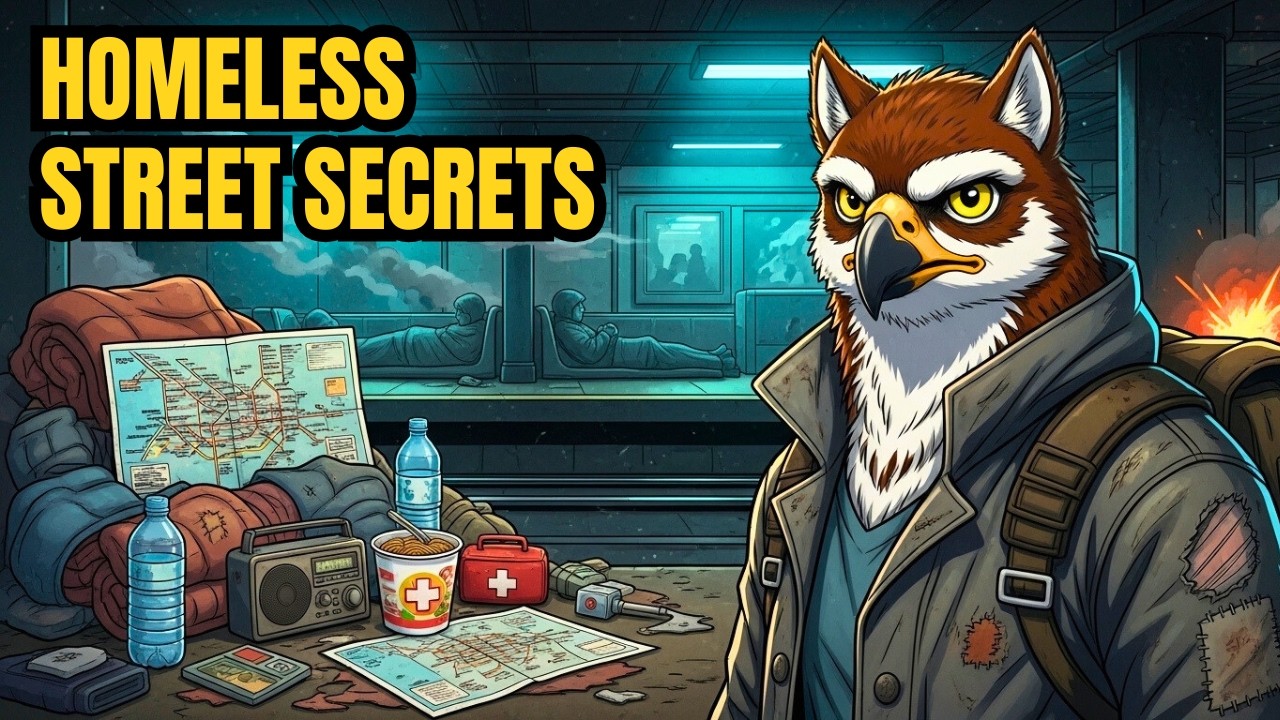
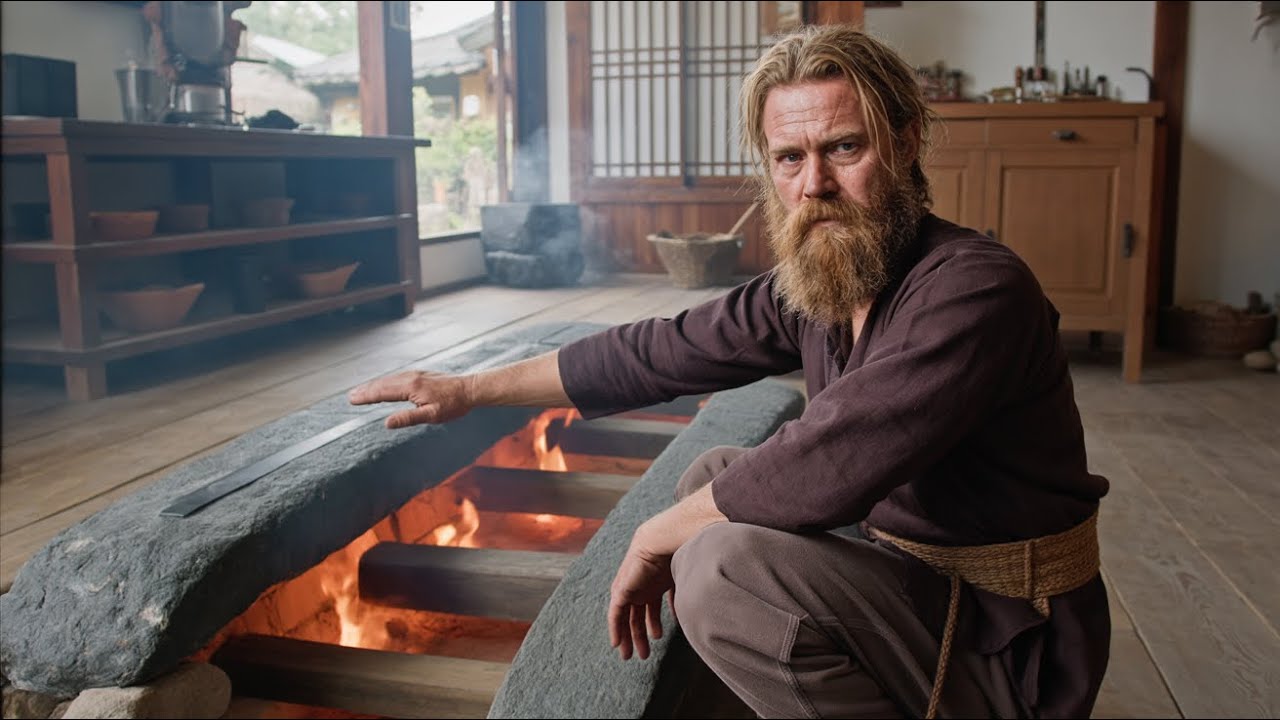
How Homeless People Sleep In A Tent Without Heating Below Freezing
Автор: Survival Mode
Загружено: 2026-02-15
Просмотров: 18
Описание:
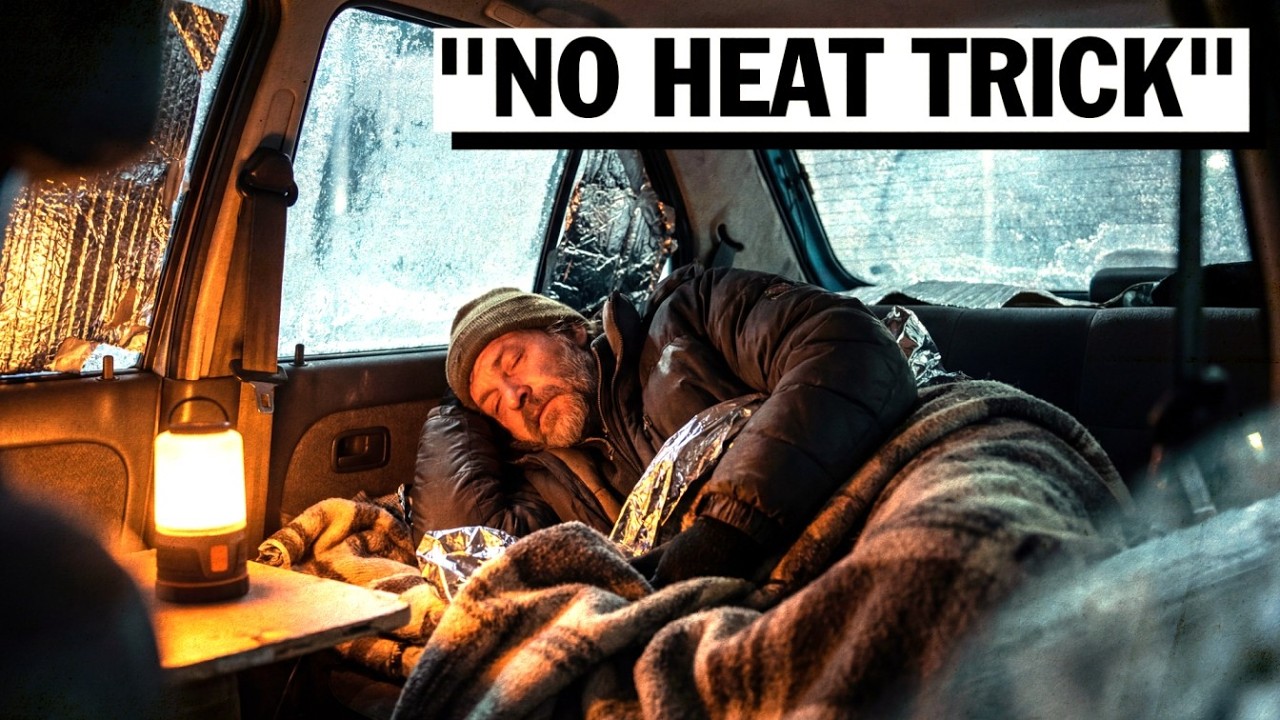
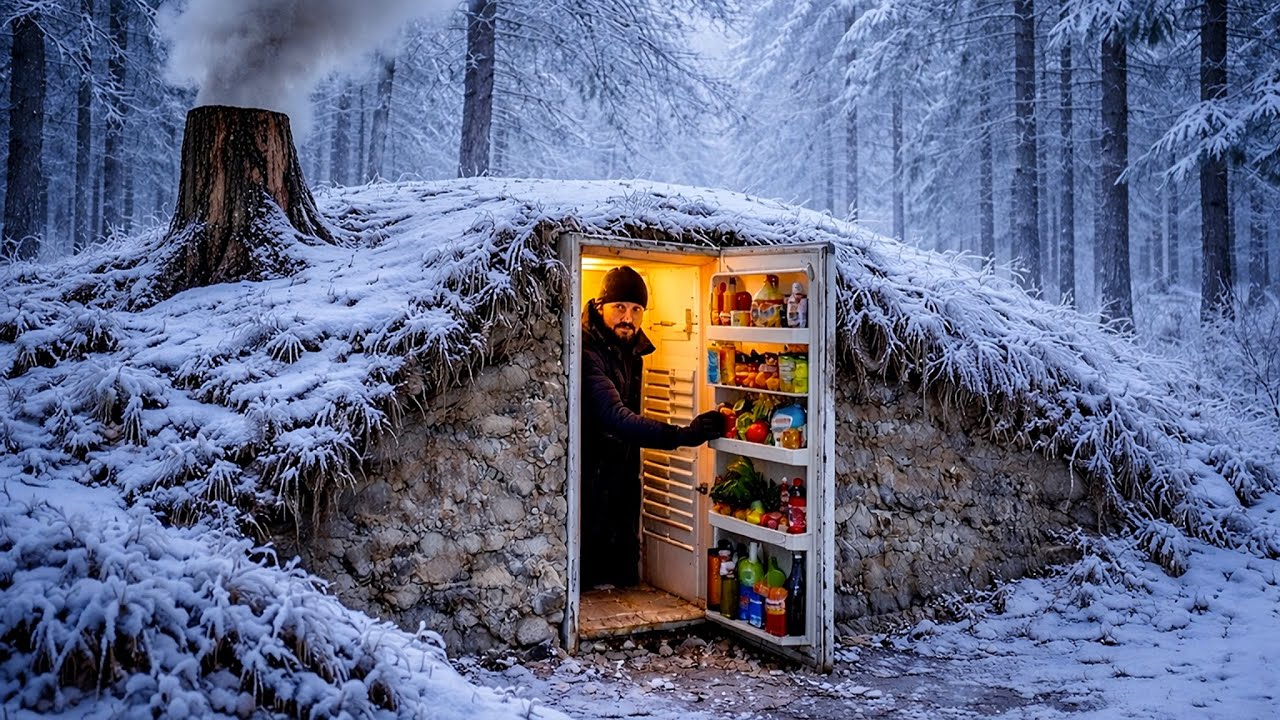
When temperatures drop below 32 degrees Fahrenheit, sleeping in a tent can go from uncomfortable to potentially deadly. Hypothermia can develop within hours and frostbite can damage fingers, toes, and ears fast in extreme cold. This video explains how people survive winter nights in tents with no heater by using insulation, heat reflection, wind blocking, and moisture control.
Thousands of homeless individuals across the United States face freezing weather every winter night. Many cannot rely on emergency shelters because shelters may only open at specific temperature thresholds, fill up quickly, require early arrival times, and often have rules that separate partners, ban pets, or limit belongings. For many, a tent is the only realistic option to stay with their dog, protect their essentials, and avoid theft. These tent survival methods also apply to winter camping, cold weather emergencies, and power outage situations.
🧠 What You Will Learn
🧊 How hypothermia and frostbite risk increases in wet and windy conditions
Cold weather becomes dangerous faster when moisture and wind strip body heat, even when temperatures are above freezing.
🛖 Why many people choose tents over shelters in winter
Shelter capacity, strict rules, safety concerns, and early check in times push people toward tent living even in freezing temperatures.
🧱 Why the ground is the biggest source of heat loss in a tent
Concrete, frozen dirt, and asphalt pull warmth from your body through conduction, which is why ground insulation matters more than extra blankets on top.
📦 How to insulate the tent floor using low cost materials
Cardboard, flattened boxes, newspapers, and foam pads can create a barrier that reduces ground cold and helps retain body heat.
🪞 How to use Mylar emergency blankets the right way
Space blankets reflect radiant body heat back toward you when placed under your sleep setup or used as a heat reflecting layer inside the tent.
🌬️ How to block wind without trapping dangerous moisture
Wind chill enters through zippers, mesh panels, and floor gaps, but sealing too tightly increases condensation that soaks blankets and makes you colder.
🧣 How to layer blankets and sleeping bags for better insulation
Multiple thinner layers create trapped air pockets that hold warmth better than one heavy layer, especially when materials stay dry.
💧 How to manage condensation so your gear stays dry
Breath and sweat create moisture inside a small tent, so ventilation and dry sleeping clothes help prevent wet insulation and cold stress.
😴 How sleeping position and head coverage improve warmth
A curled position reduces exposed surface area and a covered head reduces heat loss, which matters in below freezing temperatures.
The key lesson is simple. Winter tent survival is about controlling heat loss from the ground, protecting against wind, reflecting body heat, and staying dry all night. When you combine ground insulation, Mylar heat reflection, smart blanket layering, careful wind blocking, and steady ventilation, a tent can become a survivable shelter even below freezing.
⚠️ This video is for education and safety only. Never fully seal a tent. Always keep airflow to reduce condensation and prevent dangerous air buildup. If you feel confused, extremely drowsy, or unable to warm up, seek help immediately.
📜 Copyright Disclaimer:
All content used in this video, including clips, images, is utilized under Fair Use (Section 107 of the Copyright Act) for purposes of commentary, criticism, education, and transformative analysis. This video is transformative in nature, providing original commentary, research, and educational context not present in the source material.
⚖️ No copyright infringement is intended. All rights belong to their respective.
📧 If you are the copyright holder and have concerns, please contact us directly for resolution.
Повторяем попытку...

Доступные форматы для скачивания:
Скачать видео
-
Информация по загрузке: