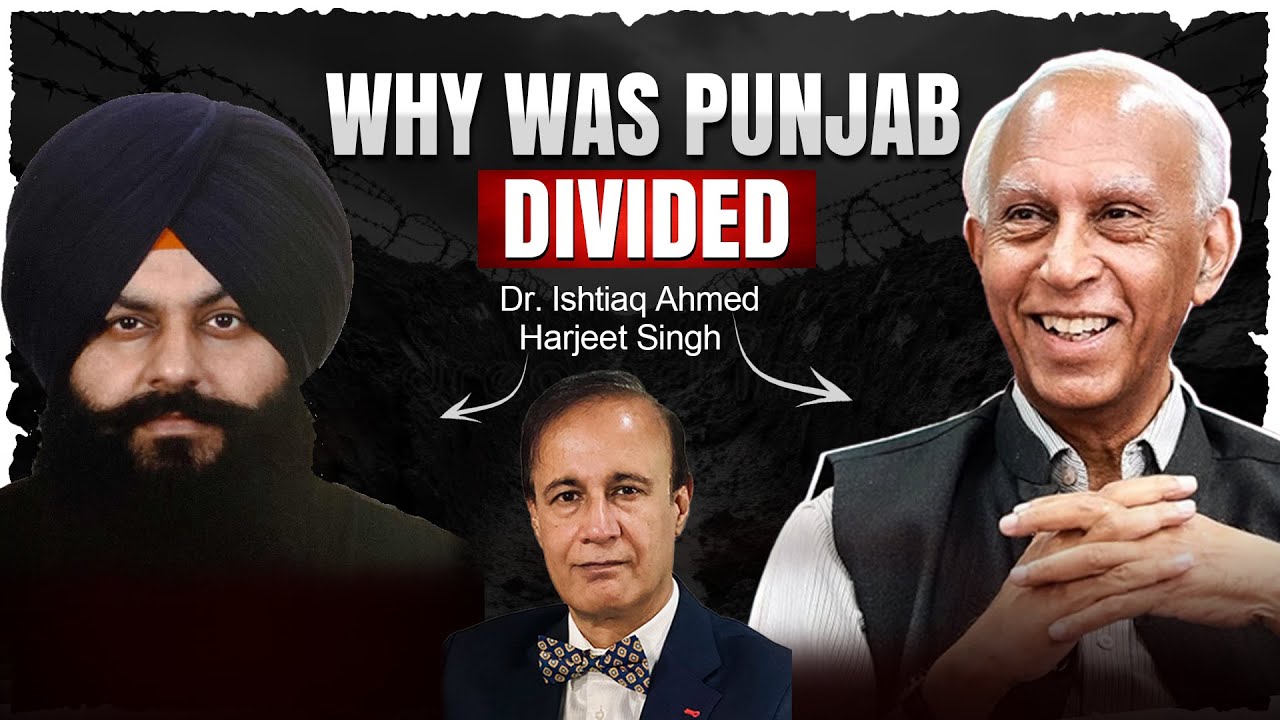
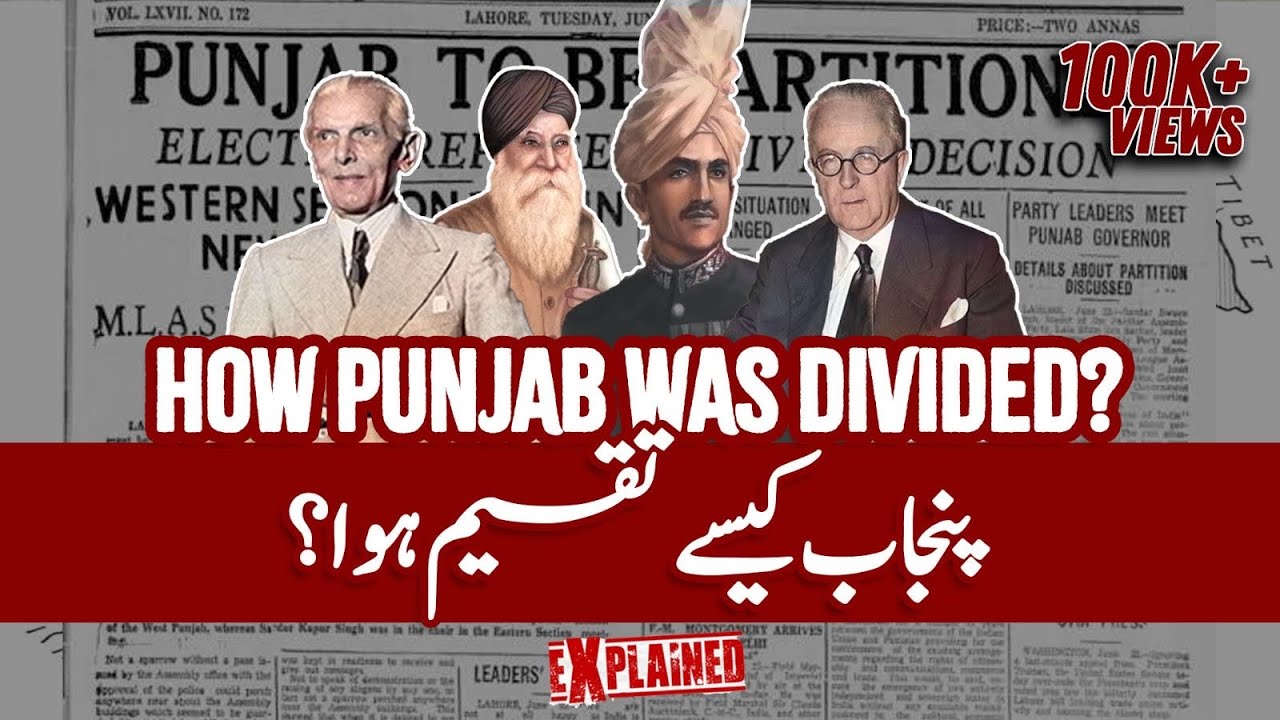
PUNJAB's PARTITION: Why SIKHISTAN Was Never Created | Hudimm
Автор: Hudimm
Загружено: 2024-08-14
Просмотров: 1153
Описание:
PUNJAB's PARTITION: Why SIKHISTAN Was Never Created | Hudimm
#history #india #punjab #partition #pakvsind #britishraj
Partition of Punjab: Political Roles, Massacres, and Historical Impact
The partition of Punjab in 1947 was a pivotal event in South Asian history, characterized by complex political dynamics and significant turmoil. This detailed account explores the roles of major political parties, key figures, and the tragic events that occurred during this period.
Political Parties Involved in the Partition of Punjab
Indian National Congress (INC):
Leaders: Jawaharlal Nehru, Sardar Vallabhbhai Patel, Maulana Abul Kalam Azad.
Role: The Indian National Congress, led by Nehru and Patel, was initially opposed to the partition of Punjab. Despite their reluctance, the INC had to navigate the inevitable division as demands for a separate Muslim state increased.
All-India Muslim League (AIML):
Leaders: Muhammad Ali Jinnah, Liaquat Ali Khan.
Role: The All-India Muslim League, under Muhammad Ali Jinnah, was a major advocate for the creation of Pakistan. The AIML's push for a separate nation for Muslims directly influenced the partition plan and the division of Punjab.
Shiromani Akali Dal (SAD):
Leaders: Master Tara Singh.
Role: The Shiromani Akali Dal, representing the Sikh community, was focused on securing Sikh interests. The SAD's involvement became crucial as the partition of Punjab approached, with an emphasis on protecting Sikh rights and territories.
Punjab Unionist Party:
Leaders: Sir Fazl-i-Husain, Sir Chhotu Ram.
Role: The Punjab Unionist Party aimed to maintain the unity of Punjab. However, as the demand for partition grew stronger, the party's influence diminished.
The Partition Plan and Boundary Demarcation
The partition plan was formalized through the Mountbatten Plan of June 3, 1947. The plan called for the division of British India into India and Pakistan, with Punjab being split along religious lines. Sir Cyril Radcliffe was appointed to demarcate the boundary, resulting in the Radcliffe Line. His decisions led to significant disputes and clashes, exacerbating tensions.
Massacres and Events During Partition
The partition of Punjab led to widespread unrest and significant upheaval. Key incidents include:
Direct Action Day (August 16, 1946): This event, initiated by the Muslim League, triggered communal disturbances across Punjab, increasing tensions and hostilities.
Gujranwala Incident: In August 1947, Gujranwala experienced severe unrest, with attacks on Hindus and Sikhs by Muslim groups, leading to considerable casualties and displacement.
Rawalpindi Incident: In March 1947, Rawalpindi saw a major outbreak of conflict, affecting Hindu and Sikh communities and resulting in considerable hardship.
Amritsar and Lahore: Both cities faced severe disruptions. Amritsar saw extensive conflicts affecting minorities, while Lahore experienced significant communal unrest, with many people fleeing or being affected.
Forced Migration and Aftermath
The unrest during the partition of Punjab led to a massive movement of populations. Hindus and Sikhs relocated from Pakistan to India, while Muslims migrated from India to Pakistan. This migration involved significant challenges and difficulties.
Post-Partition Impact:
Human Toll: The partition of Punjab had a profound impact, with millions displaced, communities disrupted, and a lasting legacy of trauma affecting generations.
Political Impact: The partition established the boundaries between India and Pakistan, leading to long-term political tensions and challenges in bilateral relations.
Cultural and Social Impact: The disruption of the cultural and social fabric of Punjab resulted in the loss of heritage and significant trauma, shaping the region's identity for years to come.
The partition of Punjab remains a significant chapter in South Asian history, characterized by its complexity and the considerable difficulties it brought. Understanding the political roles, key figures, and the events of this period is crucial to comprehending the lasting effects of this historical event.
---
Повторяем попытку...

Доступные форматы для скачивания:
Скачать видео
-
Информация по загрузке: