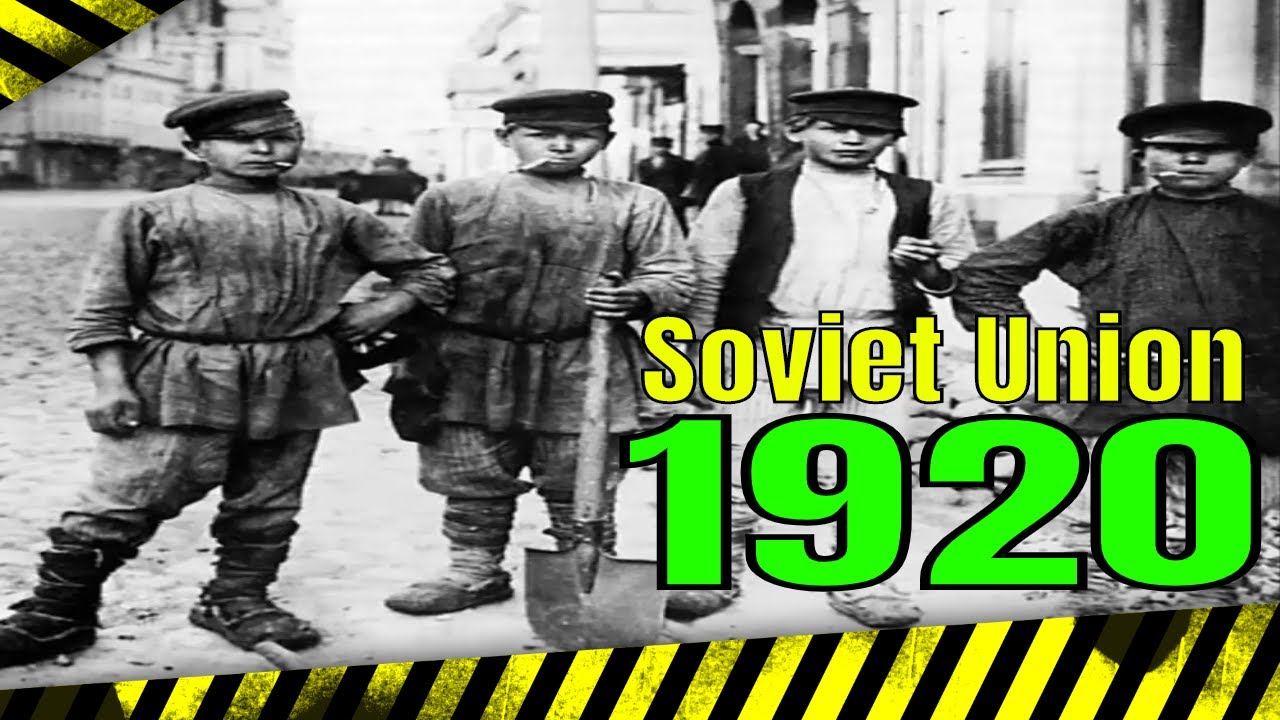
Soviet Union 1920 Rare Images
Автор: Mike Martins
Загружено: 2019-01-27
Просмотров: 411
Описание:
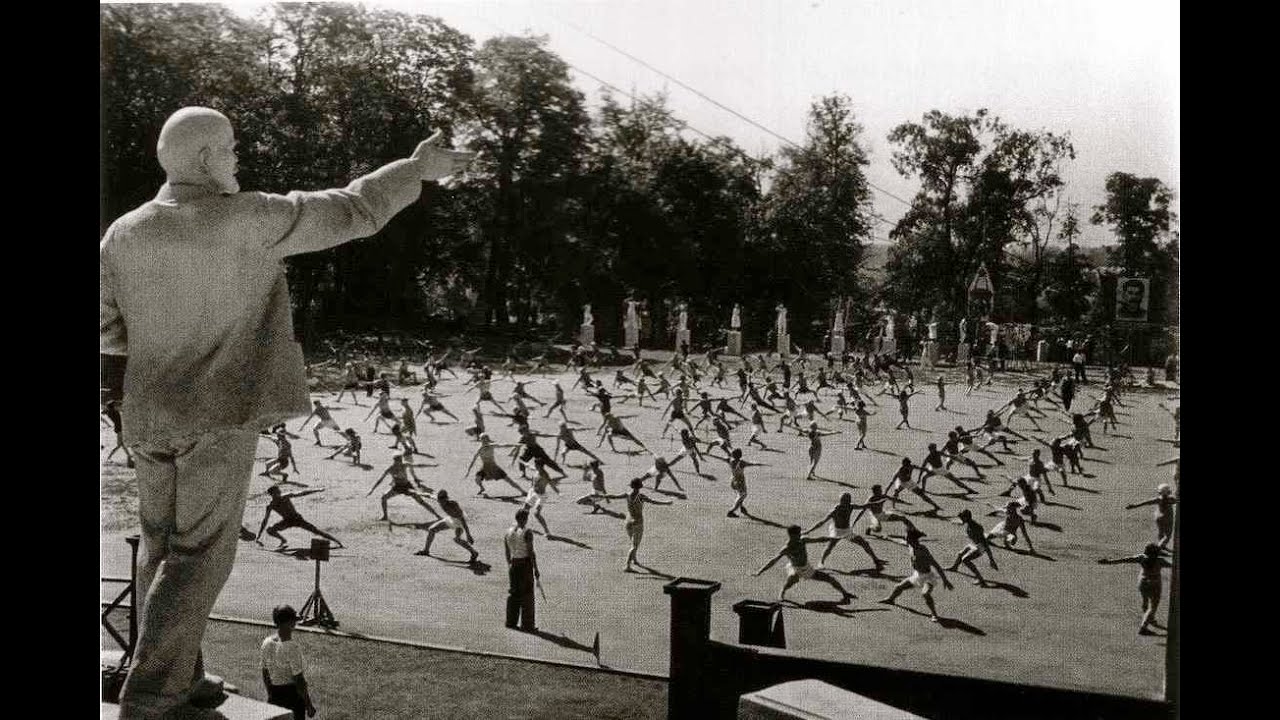
The Soviet Union, officially the Union of Soviet Socialist Republics(USSR),was a federal socialist state in Northern Eurasia that existed from 1922 to 1991. Nominally a union of multiple national Soviet republics,[h] it was a one-party state (until 1990) governed by the Communist Party, with Moscow as its capital in its largest republic, the Russian SFSR. Other major urban centers were Leningrad (Russian SFSR), Kiev (Ukrainian SSR), Minsk (Byelorussian SSR), Tashkent (Uzbek SSR), Alma-Ata (Kazakh SSR) and Novosibirsk (Russian SFSR). It was the largest country in the world by surface area,spanning over 10,000 kilometers (6,200 mi) east to west across 11 time zones and over 7,200 kilometers (4,500 mi) north to south. Its territory included much of Eastern Europe, parts of Northern Europe, and all of Northern and Central Asia. Its five climate zones were tundra, taiga, steppes, desert, and mountains. Its diverse population was collectively known as Soviet people.
The Soviet Union had its roots in the October Revolution of 1917 when the Bolsheviks, headed by Vladimir Lenin, overthrew the Provisional Government that had earlier replaced the monarchy of the Russian Empire. They established the Russian Soviet Republic,[i] beginning a civil war between the Bolshevik Red Army and many anti-Bolshevik forces across the former Empire, among whom the largest faction was the White Guard, which engaged in violent anti-communist repression against the Bolsheviks and their worker and peasant supporters known as the White Terror. The Red Army expanded and helped local Bolsheviks take power, establishing soviets, repressing their political opponents and rebellious peasants through Red Terror. By 1922, the Bolsheviks had emerged victorious, forming the Soviet Union with the unification of the Russian, Transcaucasian, Ukrainian and Byelorussian republics. The New Economic Policy (NEP), which was introduced by Lenin, led to a partial return of a free market and private property; this resulted in a period of economic recovery.
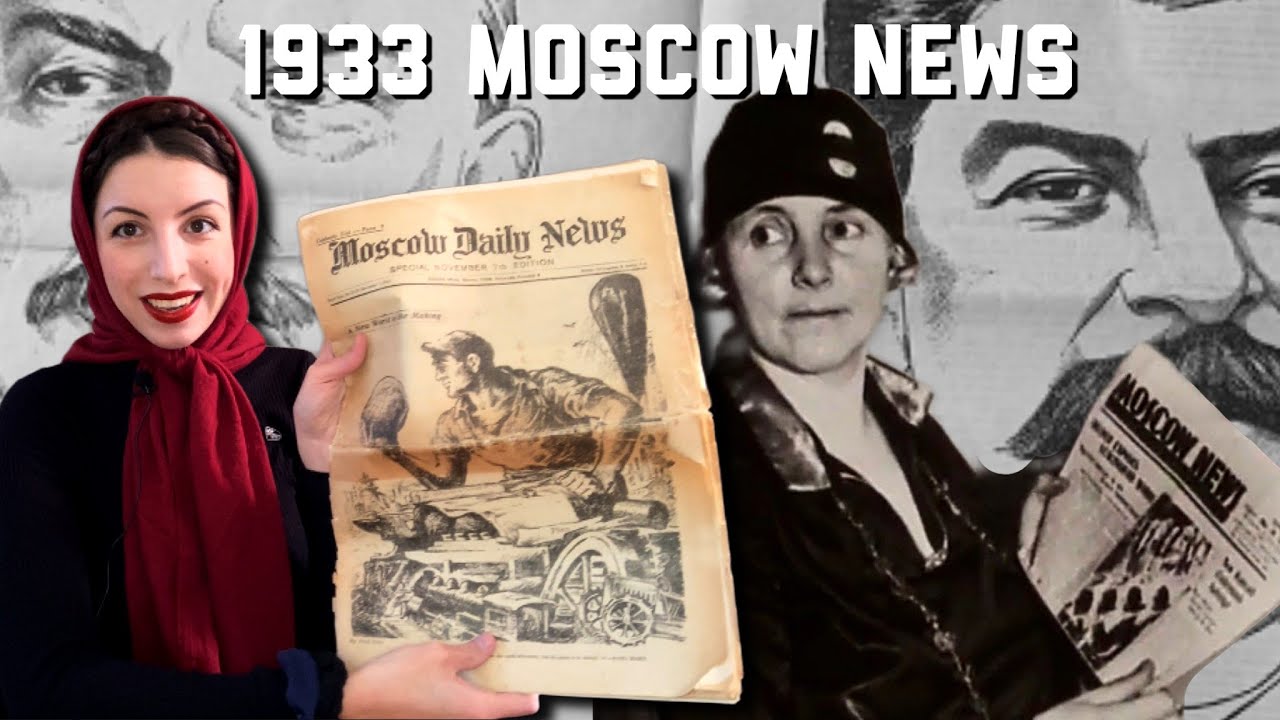
Following Lenin's death in 1924, Joseph Stalin came to power. Stalin suppressed all political opposition to his rule inside the Communist Party and initiated a centrally planned economy. As a result, the country underwent a period of rapid industrialization and forced collectivization, which led to significant economic growth, but also led to a man-made famine in 1932–1933 and expanded the Gulag labour camp system founded back in 1918. Stalin also fomented political paranoia and conducted the Great Purge to remove opponents of his from the Party through the mass arrests of people (military leaders, Communist Party members and ordinary citizens alike) who were then sent to correctional labor camps or sentenced to death.
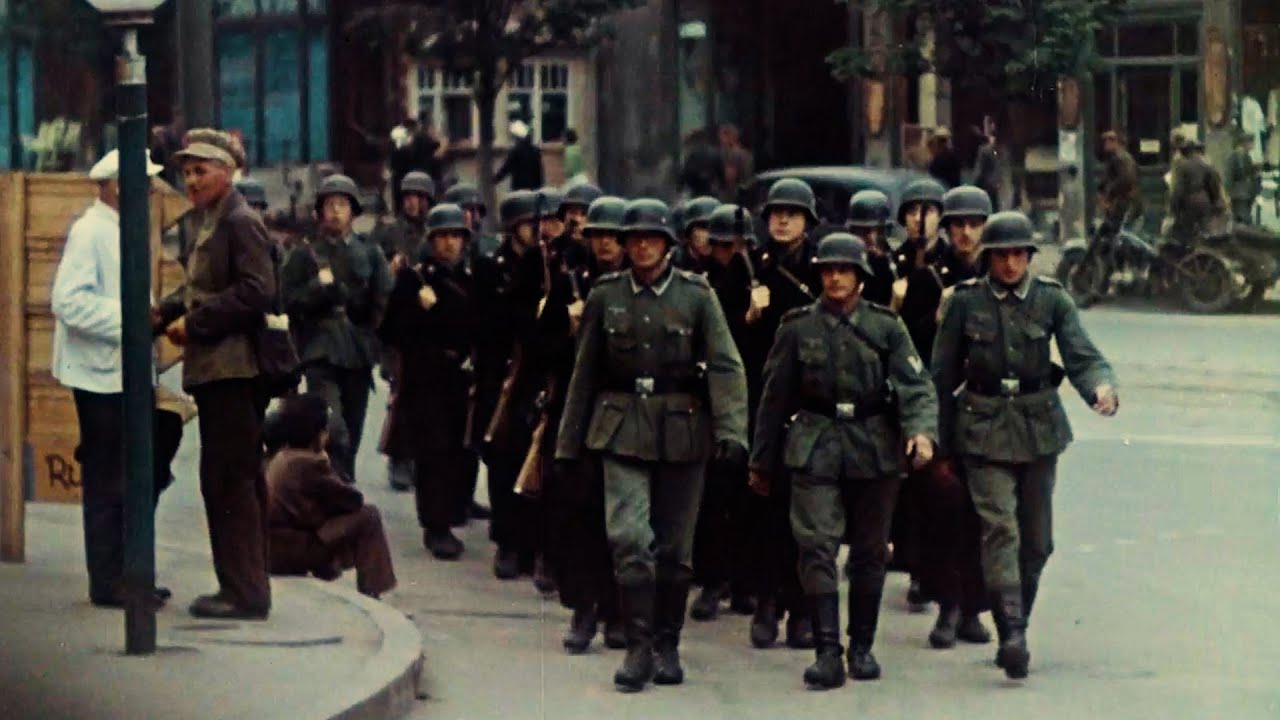
On 23 August 1939, after unsuccessful efforts to form an anti-fascist alliance with Western powers, the Soviets signed the non-aggression agreement with Nazi Germany. After the start of World War II, the formally neutral Soviets invaded and annexed territories of several Eastern European states, including eastern Poland and the Baltic states. In June 1941 the Germans invaded, opening the largest and bloodiest theater of war in history. Soviet war casualties accounted for the highest proportion of the conflict in the cost of acquiring the upper hand over Axis forces at intense battles such as Stalingrad. Soviet forces eventually captured Berlin and won World War II in Europe on 9 May 1945. The territory overtaken by the Red Army became satellite states of the Eastern Bloc. The Cold War emerged in 1947 as a result of a post-war Soviet dominance in Eastern Europe, where the Eastern Bloc confronted the Western Bloc that united in the North Atlantic Treaty Organization in 1949.
Following Stalin's death in 1953, a period known as de-Stalinization and the Khrushchev Thaw occurred under the leadership of Nikita Khrushchev. The country developed rapidly, as millions of peasants were moved into industrialized cities. The USSR took an early lead in the Space Race with the first ever satellite and the first human spaceflight. In the 1970s, there was a brief détente of relations with the United States, but tensions resumed when the Soviet Union deployed troops in Afghanistan in 1979. The war drained economic resources and was matched by an escalation of American military aid to Mujahideen fighters.
#USSR #RUSSIA #yearbook
~-~~-~~~-~~-~
Please watch: "Mike in The Night ! - The Great Reset - #mikeinthenight #talkshow #Thegreatreset"
• Mike in The Night ! - The Great Reset - #...
~-~~-~~~-~~-~
Повторяем попытку...
Доступные форматы для скачивания:
Скачать видео
-
Информация по загрузке: